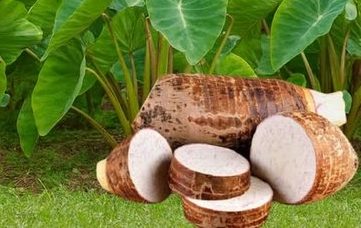
For centuries, taro has been a staple food in many tropical and subtropical regions around the world. This ancient root vegetable has nourished communities across Asia, Africa, and the Pacific Islands long before modern nutrition trends began highlighting its benefits. Today, taro is gaining renewed attention as people rediscover traditional foods that provide both nourishment and versatility.
With its earthy flavor and creamy texture when cooked, taro is not only delicious but also packed with nutrients that support overall health.
What Is Taro?
Taro is a starchy root vegetable that grows underground and belongs to the same plant family as other leafy tropical plants. The plant produces large heart-shaped leaves, while the edible part is the root, often called a corm.
When raw, taro has a firm texture and must be cooked before eating. Once cooked, it becomes soft and slightly sweet, making it a popular ingredient in soups, stews, mashed dishes, and desserts.
In many cultures, taro is considered both a comfort food and a valuable source of energy.
Rich in Nutrients
Taro contains a variety of nutrients that contribute to a balanced diet. It provides complex carbohydrates, which serve as a steady source of energy for the body.
The root is also a good source of dietary fiber, which helps support healthy digestion and may contribute to maintaining balanced cholesterol levels.
Taro contains vitamins and minerals such as vitamin E, vitamin C, potassium, and magnesium. These nutrients play roles in supporting heart health, immune function, and proper muscle activity.
Because taro is naturally gluten-free, it can also be a suitable option for people who need to avoid gluten in their diets.
Supporting Digestive Health
One of the most notable qualities of taro is its fiber content. Fiber helps support the digestive system by promoting regular bowel movements and feeding beneficial gut bacteria.
A healthy digestive system is important for nutrient absorption, immune health, and overall well-being.
Including fiber-rich foods like taro in the diet may help people feel fuller for longer, which can also support balanced eating habits.
A Gentle Source of Energy
The carbohydrates found in taro are complex, meaning they are digested more slowly than simple sugars. This slower digestion can provide steady energy throughout the day rather than quick spikes in blood sugar.
For this reason, taro has long been valued as a nourishing food for both physical labor and daily energy needs.
Athletes and active individuals sometimes include complex carbohydrate sources like taro as part of their meal planning.
How Taro Is Used in the Kitchen
Taro is an incredibly versatile ingredient that can be prepared in many ways. It can be boiled, steamed, baked, roasted, or mashed.
In savory dishes, taro is often added to soups and stews where it absorbs flavors beautifully. In some cuisines, it is sliced and fried into chips or mashed into creamy side dishes.
Taro also appears in desserts, especially in parts of Asia, where it is used in sweet pastes, puddings, and beverages.
Its mild flavor makes it easy to combine with both sweet and savory ingredients.
Important Preparation Tips
While taro is highly nutritious, it must always be cooked before eating. Raw taro contains naturally occurring compounds that can cause irritation in the mouth and throat.
Cooking the root thoroughly neutralizes these compounds and makes the vegetable safe and enjoyable to eat.
Peeling the root and cooking it until it becomes tender is the most common preparation method.
A Root with a Long History
Taro has been cultivated for thousands of years and remains an important food source for many cultures around the world. Its combination of nutrients, energy, and versatility makes it a valuable addition to modern diets as well.
By bringing traditional ingredients like taro back into everyday meals, people can reconnect with ancient foods that have nourished generations.
Sometimes the most powerful superfoods are not new discoveries at all, but time-tested ingredients that have quietly supported human health for centuries.