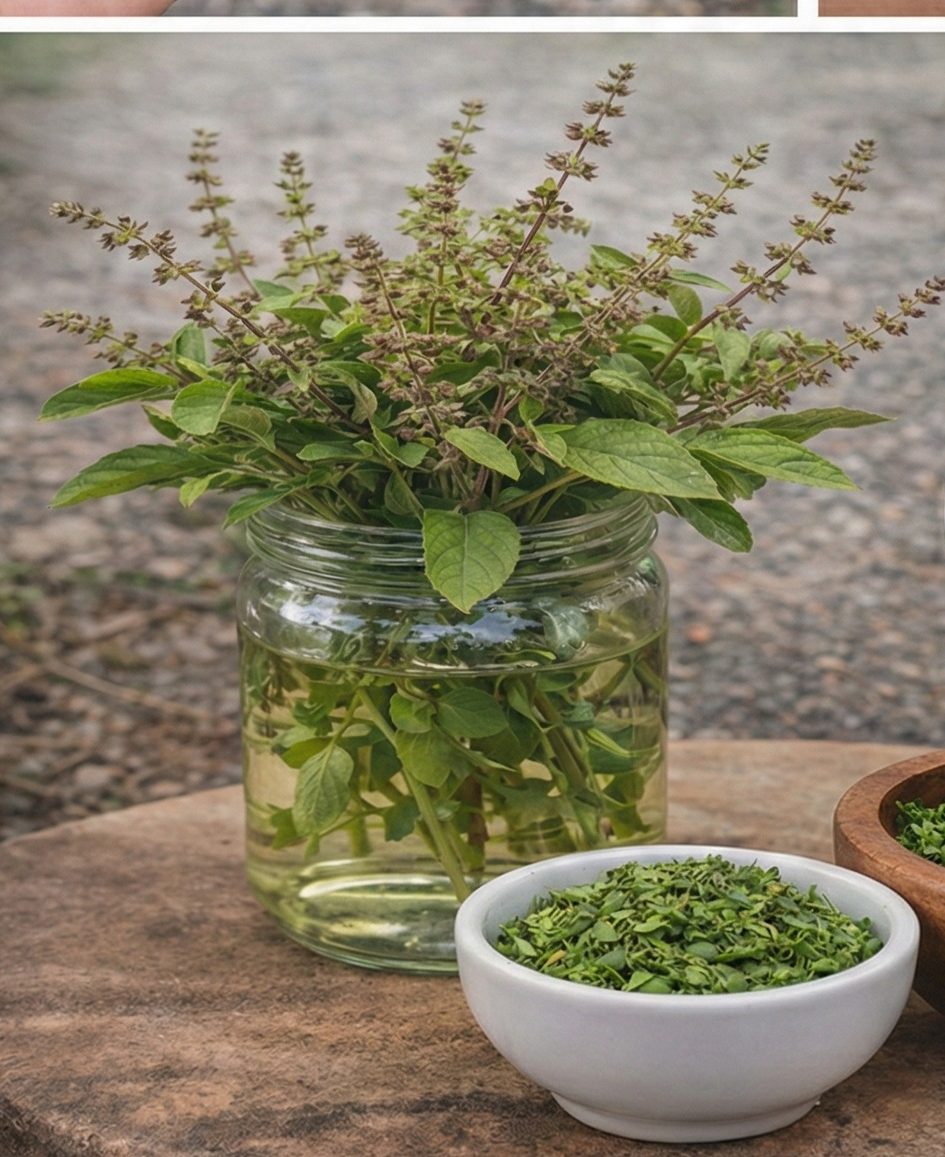
Maintaining good oral health is essential for overall well-being. Healthy teeth and gums not only support a confident smile but also play an important role in digestion and general health. While regular brushing, flossing, and dental checkups remain the foundation of oral care, many traditional herbal practices also include natural ingredients that may support oral hygiene.
One plant that has received growing attention is holy basil, commonly known as tulsi. For centuries, tulsi has been valued in traditional wellness systems for its potential antibacterial and anti-inflammatory properties.
Understanding Holy Basil (Tulsi)
Holy basil is a fragrant herb widely used in herbal traditions, particularly in parts of Asia. The plant contains several natural compounds, including essential oils, antioxidants, and plant-based substances believed to help support overall health.
Because of these natural compounds, tulsi has been used in various traditional practices, including oral care routines designed to help maintain clean teeth and healthy gums.
While modern dental care remains essential, tulsi is sometimes included as a complementary natural approach.
Supporting Gum Health
Healthy gums are an important part of oral hygiene. Gum irritation and inflammation can sometimes occur when bacteria accumulate along the gum line.
Tulsi contains compounds that may help support the body’s natural defense against certain bacteria. In traditional practices, tulsi leaves have been used to help soothe minor gum discomfort and support healthier gums.
Some people gently chew washed tulsi leaves or use tulsi-based mouth rinses as part of their natural oral care routine.
Helping Maintain Fresh Breath
Bad breath is often caused by bacteria that develop in the mouth. Because tulsi has natural aromatic oils and antimicrobial properties, it may help support fresher breath.
Traditional practices sometimes recommend chewing fresh tulsi leaves or rinsing the mouth with tulsi-infused water to help maintain oral freshness.
The herb’s pleasant, slightly spicy aroma may also help create a naturally refreshed feeling in the mouth.
Potential Role in Cavity Prevention
Cavities develop when bacteria in the mouth produce acids that weaken tooth enamel. Maintaining good oral hygiene helps reduce the buildup of these bacteria.
The antibacterial properties associated with tulsi may help support a cleaner oral environment when used as part of a daily routine.
Some traditional remedies involve drying tulsi leaves, grinding them into a powder, and gently using the powder to brush the teeth. This practice is believed to help remove plaque and maintain oral cleanliness.
However, this should be done gently to avoid damaging enamel.
A Simple Tulsi Mouth Rinse
One simple way people include tulsi in their oral care routine is by preparing a mild herbal rinse.
Fresh tulsi leaves are washed and boiled in water for several minutes. After the liquid cools, it can be strained and used as a mouth rinse.
Swishing the infusion for a short time before spitting it out may help support oral freshness.
This approach is often used occasionally alongside regular brushing and flossing.
The Importance of Regular Dental Care
Although natural herbs like tulsi may support oral hygiene, they cannot replace professional dental care. Brushing twice daily with fluoride toothpaste, flossing regularly, and visiting a dentist for routine checkups remain the most important steps in preventing cavities and gum disease.
Herbal practices can be viewed as supportive additions rather than primary treatments.
A Natural Complement to Oral Wellness
Holy basil has been respected for generations in traditional wellness systems. Its potential antibacterial and soothing properties make it an interesting natural option for people exploring herbal approaches to oral care.
When combined with proper dental hygiene and healthy habits, tulsi may offer a gentle way to support fresher breath, healthier gums, and overall oral wellness.
Sometimes the most powerful wellness traditions come from simple plants that have been valued for centuries.