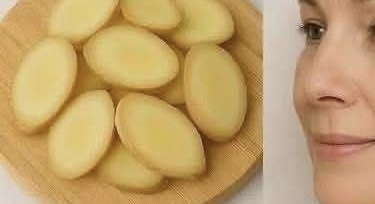
Healthy, glowing skin is something many people want to maintain as they age. Over time, factors such as sun exposure, pollution, stress, and natural aging can lead to wrinkles, dark spots, and uneven skin tone. Because of this, many people look for natural ingredients that may help support skin health.
One ingredient that has been widely used in traditional remedies is ginger. Known for its powerful antioxidants and anti-inflammatory properties, ginger has been used in both skincare and nutrition for centuries.
In this article, we explore how ginger may support skin health, reduce signs of aging, and how to safely include it in your skincare routine and diet.
What Is Ginger?
Ginger (Zingiber officinale) is a root widely used in cooking and traditional medicine. It has a strong flavor and contains many beneficial compounds that support health.
The key active compounds in ginger include:
- Gingerol
- Shogaol
- Zingerone
- Natural antioxidants
These compounds help reduce inflammation and protect the body from oxidative stress.
Because of these properties, ginger has become a popular ingredient in natural skincare.
Why Skin Develops Wrinkles and Dark Spots
Before understanding how ginger may help the skin, it is important to understand why skin changes occur.
Aging
As we age, the body produces less collagen. Collagen is a protein responsible for skin elasticity and firmness.
Reduced collagen levels may lead to:
- Wrinkles
- Fine lines
- Sagging skin
Sun Exposure
Ultraviolet (UV) rays from the sun can damage skin cells and accelerate aging.
This can cause:
- Dark spots
- Uneven skin tone
- Loss of elasticity
Oxidative Stress
Free radicals damage skin cells and contribute to premature aging.
Antioxidants help protect the skin from this damage.
Ginger and Antioxidant Protection
Ginger is rich in antioxidants, which help protect the skin from environmental damage.
Antioxidants neutralize free radicals that can harm skin cells.
By reducing oxidative stress, antioxidant-rich foods and skincare ingredients may help support:
- Healthier skin appearance
- Reduced signs of aging
- Improved skin tone
While ginger cannot reverse aging completely, it may help support overall skin health.
Anti-Inflammatory Benefits of Ginger
Inflammation can contribute to skin issues such as redness, irritation, and uneven texture.
The natural compounds in ginger have anti-inflammatory properties that may help soothe the skin.
Reducing inflammation may support:
- Clearer skin
- Reduced puffiness
- Healthier complexion
This is one reason ginger is often included in natural skincare products.
Ginger and Skin Brightening
Some natural skincare routines use ginger to help brighten the skin.
Ginger contains compounds that may help improve circulation and support skin vitality.
Improved circulation can contribute to:
- A healthier glow
- Better oxygen delivery to skin cells
- Enhanced skin renewal
However, ginger should always be used carefully when applied to the skin, as it may be strong for sensitive skin types.
Ginger and Collagen Support
Collagen is essential for maintaining firm and youthful skin.
While ginger does not directly produce collagen, its antioxidant properties help protect collagen fibers from damage.
Protecting collagen helps maintain skin elasticity and smoothness.
Combining antioxidant-rich foods with a healthy lifestyle can help support long-term skin health.
How Ginger Supports Skin Through Nutrition
One of the safest ways to benefit from ginger is through diet.
Consuming ginger regularly may support overall wellness, including skin health.
Ginger contains nutrients that contribute to healthy skin, including:
- Vitamin C
- Magnesium
- Potassium
- Antioxidants
Healthy nutrition supports skin from within.
Simple Ginger Drink for Skin Support
A simple ginger drink can be included in your daily routine.
Ingredients
- 1 teaspoon freshly grated ginger
- 1 cup warm water
- 1 teaspoon honey (optional)
- Lemon juice (optional)
Preparation
- Add grated ginger to warm water.
- Let it steep for 5–10 minutes.
- Add honey and lemon if desired.
- Drink once daily.
This beverage may help support digestion and overall wellness.
Ginger Face Mask for Natural Skincare
Some people use ginger in homemade face masks.
Ingredients
- 1 teaspoon ginger juice
- 1 tablespoon honey
- 1 tablespoon yogurt
Instructions
- Mix all ingredients into a smooth paste.
- Apply gently to the face.
- Leave for 10 minutes.
- Rinse with lukewarm water.
Always test a small patch of skin before using any new skincare treatment.
Important Safety Tips
Ginger is a powerful natural ingredient, so it should be used carefully.
Important tips include:
- Always perform a patch test before applying ginger to the skin.
- Avoid applying concentrated ginger directly to sensitive skin.
- Do not leave ginger masks on the skin for too long.
- Stop use if irritation occurs.
Natural remedies should always be used responsibly.
Other Natural Ingredients for Healthy Skin
In addition to ginger, several natural ingredients support skin health.
Aloe Vera
Aloe vera hydrates and soothes the skin.
Turmeric
Turmeric contains curcumin, known for its anti-inflammatory properties.
Green Tea
Green tea contains antioxidants that help protect skin cells.
Honey
Honey naturally moisturizes and supports skin healing.
Combining several natural ingredients can support a balanced skincare routine.
Healthy Lifestyle Habits for Youthful Skin
Skincare products alone are not enough to maintain healthy skin.
Lifestyle habits play an important role.
Drink Plenty of Water
Hydration helps maintain skin elasticity.
Eat a Balanced Diet
Fruits, vegetables, and whole foods provide essential nutrients.
Protect Skin from Sun Exposure
Use sunscreen and protective clothing.
Get Enough Sleep
Sleep allows the skin to repair and regenerate.
Manage Stress
Stress can affect skin appearance and accelerate aging.
Healthy habits help maintain radiant skin over time.
When to Consult a Dermatologist
While natural remedies can support skincare routines, they cannot replace professional medical care.
If you experience persistent skin concerns such as:
- Severe acne
- Skin infections
- Unusual skin growths
- Persistent irritation
It is important to consult a dermatologist.
Professional guidance ensures proper treatment and skin safety.
Conclusion
Ginger is a powerful natural ingredient known for its antioxidants and anti-inflammatory compounds. These properties may help support skin health, protect against oxidative stress, and promote a healthy complexion.
Although ginger cannot replace professional skincare treatments or medical procedures, it can be a helpful addition to a balanced skincare routine and healthy diet.
Combining natural ingredients, proper skincare, hydration, and a healthy lifestyle is the best approach for maintaining glowing, youthful skin over time.