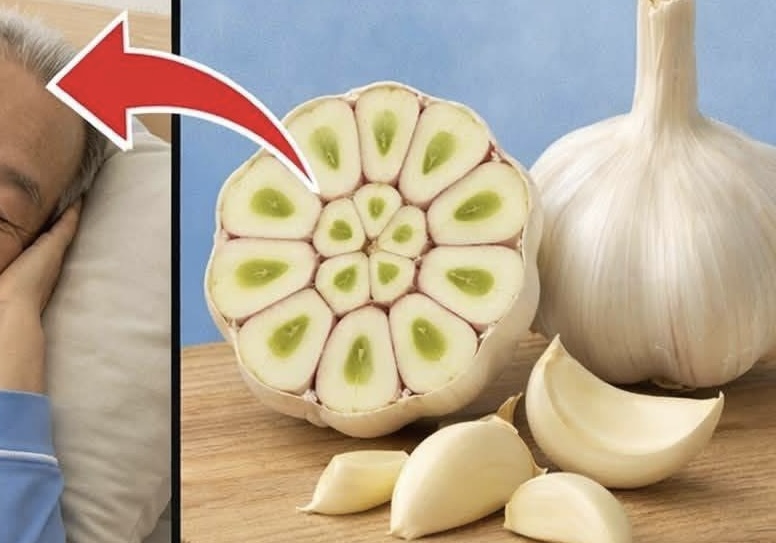
Garlic has been used for thousands of years in traditional medicine and cooking. This simple ingredient, found in kitchens around the world, is known for its strong flavor and powerful nutritional properties. Many cultures have long believed that garlic helps protect the body from infections and supports overall health.
Modern research has confirmed that garlic contains natural compounds with antibacterial, antiviral, and anti-inflammatory properties. These compounds may help the body fight harmful microbes and support the immune system.
In this article, we explore the health benefits of garlic, its antibacterial properties, how it supports the immune system, and safe ways to include it in your diet.
What Makes Garlic So Powerful?
Garlic (Allium sativum) belongs to the same plant family as onions, leeks, and shallots. It is rich in natural compounds that contribute to its health benefits.
The most important compound in garlic is allicin. This substance forms when garlic cloves are crushed or chopped.
Allicin is responsible for many of garlic’s health-supporting effects, including:
- Antibacterial activity
- Antiviral effects
- Anti-inflammatory properties
- Antioxidant protection
Because of these compounds, garlic is often considered a natural immune-supporting food.
Garlic and Natural Antibacterial Properties
Garlic has been studied for its ability to fight certain types of bacteria. Laboratory research has shown that garlic extracts may help inhibit the growth of some harmful microbes.
This antibacterial effect comes mainly from sulfur compounds such as:
- Allicin
- Diallyl sulfide
- Diallyl disulfide
These compounds can interfere with bacterial growth and help support the body’s natural defenses.
However, garlic should not replace medical treatment when dealing with serious infections. It can be used as part of a balanced diet that supports immune health.
Garlic and the Immune System
A healthy immune system helps the body defend itself against bacteria, viruses, and other pathogens.
Garlic contains several nutrients that contribute to immune support, including:
- Vitamin C
- Vitamin B6
- Selenium
- Manganese
These nutrients help strengthen immune response and support cellular health.
Studies suggest that regular garlic consumption may help the body respond more effectively to common infections.
Antioxidants and Cellular Protection
Garlic is also rich in antioxidants, which help protect the body from oxidative stress.
Oxidative stress occurs when harmful molecules called free radicals damage cells. Over time, this process can contribute to aging and chronic diseases.
Antioxidants in garlic help neutralize free radicals and support overall cellular health.
Including antioxidant-rich foods in your diet may help support long-term wellness.
Garlic and Heart Health
Garlic has been widely studied for its potential benefits for heart health.
Some research suggests garlic may help support:
- Healthy blood circulation
- Normal cholesterol levels
- Balanced blood pressure
The sulfur compounds in garlic may help relax blood vessels and improve circulation.
When combined with a healthy lifestyle, garlic can be a valuable addition to a heart-friendly diet.
Garlic and Inflammation
Chronic inflammation is linked to many health concerns, including cardiovascular disease and metabolic disorders.
Garlic contains anti-inflammatory compounds that may help reduce inflammation in the body.
Reducing inflammation supports overall health and may help improve immune system function.
Garlic and Digestive Health
Garlic can also support digestive health in several ways.
It acts as a prebiotic, meaning it helps feed beneficial bacteria in the gut.
A balanced gut microbiome is important for:
- Healthy digestion
- Immune function
- Nutrient absorption
Eating foods that support beneficial gut bacteria helps maintain digestive balance.
Garlic and Respiratory Health
Garlic has traditionally been used in many cultures to support respiratory health.
Because of its antimicrobial and anti-inflammatory properties, garlic may help support the body during seasonal illnesses.
Many people consume garlic during cold and flu season as part of their immune-support routine.
While garlic cannot cure illnesses, it may help support the body’s natural defenses.
How to Use Garlic for Health
Garlic can be consumed in several ways.
Raw Garlic
Raw garlic contains the highest levels of allicin.
To activate allicin:
- Crush or chop garlic cloves.
- Let them sit for about 10 minutes before eating.
This allows beneficial compounds to form.
Cooked Garlic
Cooking garlic reduces some of its active compounds but still provides nutritional benefits.
Garlic can be added to:
- Soups
- Sauces
- Stir-fries
- Roasted vegetables
- Salad dressings
Garlic Infusions
Some people make garlic-infused oils or teas.
A simple garlic tea recipe includes:
- Crushed garlic
- Warm water
- Lemon juice
- Honey
This combination is often used as a comforting beverage.
Recommended Garlic Intake
Garlic is safe for most people when consumed in normal food amounts.
A common recommendation is one to two cloves per day as part of a balanced diet.
Eating excessive amounts of raw garlic may cause digestive discomfort in some individuals.
Moderation is important.
Possible Side Effects of Garlic
While garlic is generally safe, some people may experience side effects.
Possible effects include:
- Heartburn
- Digestive upset
- Garlic breath or body odor
People taking blood-thinning medications should consult a doctor before consuming large amounts of garlic.
Garlic can sometimes affect blood clotting.
Other Foods That Support Immune Health
In addition to garlic, several foods help support the immune system.
Ginger
Ginger has anti-inflammatory and antioxidant properties.
Citrus Fruits
Oranges, lemons, and grapefruits provide vitamin C.
Turmeric
Turmeric contains curcumin, known for anti-inflammatory benefits.
Yogurt
Yogurt provides probiotics that support gut health.
Eating a variety of whole foods supports immune balance.
Healthy Lifestyle Habits for Strong Immunity
Nutrition is only one part of maintaining a healthy immune system.
Other important habits include:
Regular Physical Activity
Exercise improves circulation and immune response.
Quality Sleep
Sleep allows the body to repair and strengthen immune defenses.
Stress Management
Chronic stress can weaken immune function.
Hydration
Water supports detoxification and organ function.
Combining these habits helps maintain overall health.
When to Seek Medical Advice
While natural foods can support wellness, they cannot replace medical care.
If you experience persistent symptoms such as:
- Fever
- Severe infections
- Chronic fatigue
- Persistent pain
It is important to consult a healthcare professional.
Proper diagnosis and treatment are essential for serious health conditions.
Conclusion
Garlic is a powerful natural food that contains antibacterial compounds, antioxidants, and nutrients that support the immune system. Its key compound, allicin, contributes to many of its health-supporting properties.
Including garlic in a balanced diet may help support immune health, digestion, and heart function. However, garlic should be used as a nutritional support rather than a replacement for medical treatment.
When combined with healthy habits such as balanced nutrition, exercise, hydration, and proper sleep, garlic can be a valuable addition to a wellness-focused lifestyle.