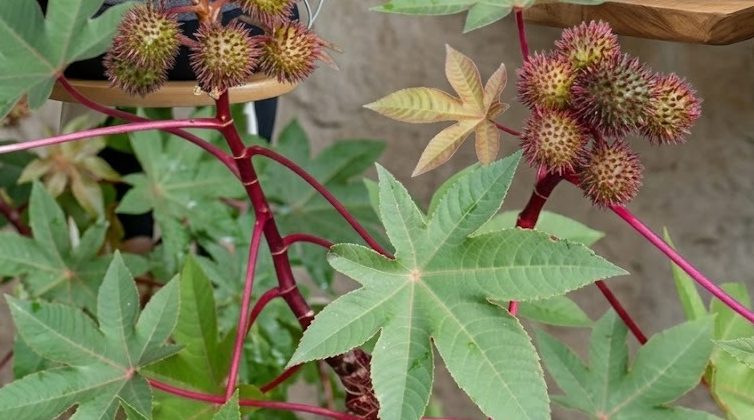
Castor Leaves: The Hidden Healing Power in Your Garden
Many plants growing quietly in gardens hold surprising natural benefits, and castor leaves are one of them. While most people are familiar with castor oil, fewer realize that the large green leaves of the castor plant have been used in traditional wellness practices for generations.
Often overlooked, castor leaves contain natural compounds that have long been valued in various cultures for their potential soothing and supportive properties. From skin care traditions to natural comfort remedies, these leaves have earned a place in many home-based herbal practices.
Understanding the Castor Plant
The castor plant is known for its large, star-shaped leaves and fast growth. It thrives in warm climates and can often be found growing in gardens or even wild areas.
The plant produces seeds that are used to create castor oil, a well-known natural oil used for skin care, hair care, and digestive support. While the seeds are the source of the oil, the leaves themselves have also been traditionally used in natural remedies.
In many cultures, people have applied warmed castor leaves to the skin as part of herbal practices designed to support comfort and relaxation.
Natural Compounds Found in Castor Leaves
Castor leaves contain a variety of plant compounds that contribute to their traditional uses. These include flavonoids, antioxidants, and other naturally occurring substances that may help support skin health and reduce temporary discomfort.
In herbal traditions, castor leaves are often associated with soothing properties. They are sometimes used externally to help support skin hydration and promote a feeling of relief in areas of mild irritation.
While research on castor leaves is still limited compared to castor oil, traditional practices have kept their reputation alive in many communities.
Traditional Uses of Castor Leaves
One common traditional use of castor leaves involves applying them as a warm compress. The leaves are typically cleaned, gently warmed, and then placed on the skin.
In some traditions, this method is used to support comfort in muscles and joints or to help relax tense areas of the body.
Castor leaves have also been used in certain cultures to support skin care routines. When applied externally, they may help maintain skin softness and hydration.
These traditional uses highlight the versatility of the plant in natural wellness practices.
How Castor Leaves Are Used at Home
People who include castor leaves in their natural routines often use them in simple ways.
One popular method involves warming a clean castor leaf slightly and placing it over the desired area of the body. Some people combine this with a small amount of castor oil for added moisture and comfort.
Another approach involves boiling the leaves in water to create a herbal infusion that can be used externally as a gentle rinse or compress.
It is important to note that castor leaves are typically used externally rather than consumed.
Safety Considerations
Although castor leaves have traditional uses, it is important to handle the plant with care. The seeds of the castor plant contain a toxic substance called ricin and should never be consumed.
When using castor leaves externally, they should always be thoroughly cleaned and applied with caution to avoid skin irritation.
Anyone with sensitive skin or existing medical conditions should consult a healthcare professional before trying herbal remedies.
Nature’s Quiet Herbal Ally
Castor leaves are a reminder that many natural resources exist right in our gardens. While they may not be as famous as castor oil, these large green leaves have been valued in traditional practices for their soothing and supportive properties.
With proper care and understanding, castor leaves can be appreciated as part of a broader tradition of natural wellness. Sometimes the most overlooked plants are the ones with the most interesting stories and potential benefits.