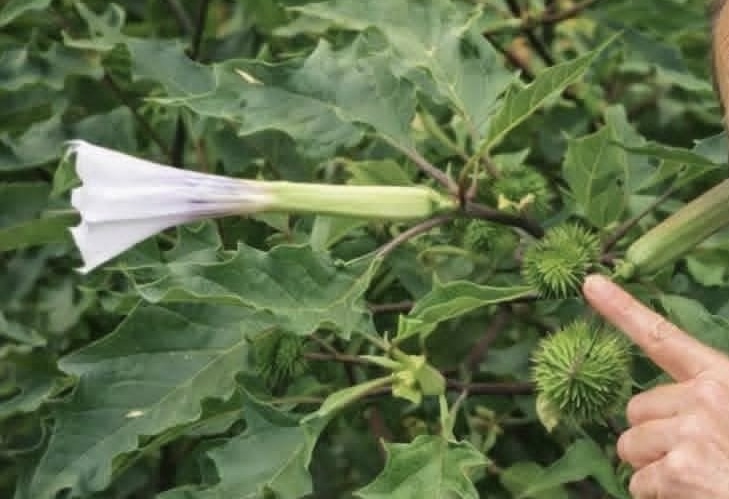
The Datura plant is one of the most fascinating and controversial plants found in nature. Known for its large trumpet-shaped flowers and spiky seed pods, Datura has been used for centuries in traditional medicine, spiritual rituals, and herbal practices around the world.
Despite its historical use, the Datura plant is also known to contain powerful chemical compounds that can affect the nervous system. Because of this, understanding the plant’s properties, traditional uses, and potential risks is extremely important.
In this article, we explore what the Datura plant is, its historical uses, possible benefits, and the safety considerations that everyone should know.
What Is the Datura Plant?
Datura is a genus of flowering plants that belongs to the Solanaceae family, which also includes tomatoes, potatoes, and eggplants. However, unlike many other plants in this family, Datura contains potent natural chemicals that affect the human nervous system.
The plant is commonly known by several names, including:
- Thorn apple
- Devil’s trumpet
- Jimsonweed
- Angel’s trumpet (in some related species)
Datura plants are easily recognized by their distinctive features.
Key Characteristics
The plant typically has:
- Large trumpet-shaped flowers
- Spiky round seed pods
- Broad green leaves
- Strong fragrance from flowers
These plants grow in warm climates and can often be found in fields, gardens, and wild environments.
Chemical Compounds Found in Datura
Datura contains several powerful alkaloids that influence the nervous system.
The main compounds include:
- Atropine
- Scopolamine
- Hyoscyamine
These substances are known as tropane alkaloids, which can affect the brain, muscles, and internal organs.
Because of these compounds, Datura has historically been studied for medical uses but also recognized for its potential toxicity.
Historical Uses of Datura
Throughout history, the Datura plant has played a role in traditional medicine and cultural practices.
Traditional Herbal Medicine
In some traditional medicine systems, small controlled extracts from the plant were historically used for conditions such as:
- Respiratory problems
- Muscle spasms
- Pain relief
- Asthma treatments
These uses were typically handled by trained practitioners who understood the plant’s potency.
Spiritual and Cultural Rituals
In certain cultures, Datura was used in spiritual or ceremonial rituals due to its effects on perception and consciousness.
Because of its powerful psychoactive properties, it has been associated with ancient healing practices and religious traditions.
Scientific Research on Datura Compounds
Modern science has studied the chemical compounds in Datura to understand their potential medical applications.
Some of these compounds are used in modern medicine under strict medical supervision.
Atropine
Atropine is used in hospitals to treat certain heart conditions and as an antidote for specific types of poisoning.
Scopolamine
Scopolamine is sometimes used in medical patches to help prevent motion sickness.
Hyoscyamine
Hyoscyamine may be prescribed in controlled doses to help manage certain digestive disorders.
These medications are carefully produced in laboratories and administered in precise doses by medical professionals.
The Datura Plant and the Nervous System
The compounds in Datura interact with the nervous system by blocking certain neurotransmitters.
This interaction can affect:
- Brain activity
- Muscle movement
- Heart rate
- Memory and perception
Because of these powerful effects, Datura is classified as a highly toxic plant when used improperly.
Potential Risks of the Datura Plant
While the plant has historical and scientific significance, it also carries serious health risks.
All parts of the plant contain toxic alkaloids.
These include:
- Leaves
- Seeds
- Flowers
- Roots
Even small amounts can cause dangerous symptoms.
Possible Toxic Effects
Exposure to Datura may cause symptoms such as:
- Confusion
- Rapid heartbeat
- Dilated pupils
- Hallucinations
- Difficulty breathing
- Severe dehydration
In extreme cases, poisoning can be life-threatening.
For this reason, medical experts strongly advise against consuming or experimenting with Datura.
Why the Datura Plant Is Studied
Despite its toxicity, scientists continue to study Datura because of the unique compounds it contains.
Research focuses on understanding how these compounds interact with the nervous system and how they may contribute to medical treatments.
Controlled pharmaceutical use of certain alkaloids has provided valuable tools in modern medicine.
However, these compounds are always used under strict regulation.
Similar Plants in the Nightshade Family
Datura belongs to the nightshade plant family, which contains both edible and toxic species.
Examples include:
Edible Plants
- Tomatoes
- Potatoes
- Eggplants
- Bell peppers
Toxic Plants
- Datura
- Deadly nightshade
- Mandrake
These plants share certain chemical characteristics, but their safety varies widely.
The Importance of Plant Identification
Correct plant identification is extremely important when dealing with wild plants.
Many toxic plants resemble harmless species.
For example, the Datura plant’s attractive flowers may appear similar to ornamental garden plants.
However, misidentification can lead to accidental poisoning.
Anyone interested in herbal plants should learn proper identification techniques and consult botanical experts.
Safe Ways to Support Brain Health
While the Datura plant has been associated with neurological effects, there are many safe and natural ways to support brain health.
Balanced Nutrition
Foods rich in nutrients help support brain function.
Examples include:
- Blueberries
- Leafy greens
- Nuts
- Fish rich in omega-3 fatty acids
Physical Exercise
Regular exercise improves blood circulation to the brain.
Quality Sleep
Sleep is essential for memory, focus, and mental clarity.
Mental Stimulation
Activities such as reading, puzzles, and learning new skills support cognitive function.
Stress Management
Reducing stress through meditation, breathing exercises, and relaxation techniques benefits brain health.
Natural Plants Commonly Used for Brain Support
Several herbs and plants are commonly used in traditional wellness routines for cognitive support.
Examples include:
- Ginkgo biloba
- Turmeric
- Rosemary
- Green tea
These plants contain antioxidants that may support healthy brain function.
Unlike Datura, they are generally considered safe when consumed appropriately.
When to Seek Medical Advice
Anyone experiencing neurological symptoms should consult a healthcare professional.
Symptoms that require medical attention include:
- Memory problems
- Severe headaches
- Dizziness
- Confusion
- Difficulty concentrating
Professional medical evaluation is essential for accurate diagnosis and treatment.
Self-treatment with unknown plants can be dangerous.
Conclusion
The Datura plant is one of nature’s most intriguing yet dangerous plants. While it has historical significance in traditional medicine and cultural rituals, it contains powerful compounds that can affect the nervous system and pose serious health risks.
Modern science has studied these compounds and adapted some of them for controlled medical use. However, the plant itself remains highly toxic and should never be consumed without professional supervision.
Understanding the properties of plants like Datura highlights the importance of education, careful research, and respect for the powerful chemicals found in nature.
For maintaining brain health and overall wellness, safe lifestyle practices such as balanced nutrition, regular exercise, and proper medical care remain the most effective approaches.