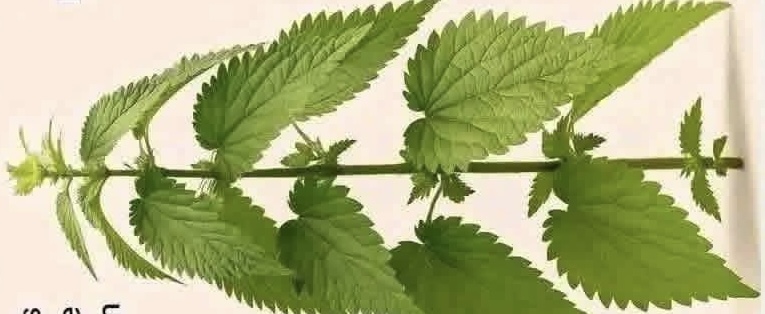
Nettle, commonly known as stinging nettle, is a plant that has been used for centuries in traditional herbal medicine. Although it is often known for the mild sting it causes when touched, nettle leaves are rich in nutrients and beneficial plant compounds that support overall health.
Many cultures around the world have used nettle in teas, herbal remedies, soups, and natural wellness practices. Today, nettle is gaining popularity again because people are becoming more interested in natural plants that support healthy lifestyles.
In this article, we explore what nettle is, its nutritional properties, and how nettle may support the immune system, circulation, and overall wellness when used as part of a balanced lifestyle.
What Is Nettle?
Nettle is a leafy green plant scientifically known as Urtica dioica. It grows widely in Europe, Asia, North America, and parts of Africa. The plant is easily recognizable by its serrated leaves and tiny hair-like structures that can cause a mild stinging sensation when touched.
Once nettle leaves are dried or cooked, the sting disappears, making them safe to consume.
For centuries, nettle has been used in:
- Herbal teas
- Traditional medicine
- Natural wellness remedies
- Cooking and soups
Because of its rich nutritional profile, nettle is sometimes considered a nutrient-dense herbal plant.
Nutritional Value of Nettle
Nettle leaves contain a wide range of vitamins and minerals that support overall health.
Important nutrients found in nettle include:
- Vitamin A
- Vitamin C
- Vitamin K
- Iron
- Calcium
- Magnesium
- Potassium
Nettle also contains antioxidants and plant compounds that help protect the body from oxidative stress.
Because of these nutrients, nettle has traditionally been used as a natural tonic for general wellness.
Nettle and Immune System Support
A healthy immune system helps the body defend itself against infections and illnesses.
Nettle contains antioxidants and vitamins that may help support immune function. Vitamin C, for example, contributes to immune defense and helps protect cells from damage.
Many herbal traditions use nettle tea during seasonal changes to support the body’s natural defenses.
Including nutrient-rich herbs in the diet may help strengthen the body’s ability to maintain health.
Nettle and Circulation
Healthy circulation is essential for delivering oxygen and nutrients to the body’s tissues.
Nettle contains iron and other minerals that play a role in blood health and circulation.
Iron contributes to the production of hemoglobin, a protein in red blood cells responsible for transporting oxygen throughout the body.
Consuming iron-rich foods as part of a balanced diet helps support healthy blood circulation.
Nettle and Iron Content
One of the reasons nettle has been valued in traditional herbal medicine is its iron content.
Iron is an important mineral that helps prevent fatigue and supports healthy red blood cell production.
People who follow plant-based diets sometimes include iron-rich vegetables like nettle to help meet their nutritional needs.
However, iron absorption is improved when consumed alongside foods rich in vitamin C.
Nettle and Joint Comfort
In traditional herbal medicine, nettle has sometimes been used to support joint comfort.
Nettle contains natural plant compounds that may help support the body’s response to inflammation.
Herbal preparations made from nettle leaves have been used in teas, extracts, and topical applications in some traditional practices.
While these uses have historical significance, individuals with persistent joint discomfort should seek professional medical advice.
Nettle and Fluid Balance
Nettle has been traditionally used as a mild diuretic in herbal practices.
Diuretics help the body eliminate excess fluid by increasing urine production.
Maintaining proper fluid balance is important for:
- Kidney function
- Blood pressure regulation
- Removing waste from the body
Herbal teas like nettle tea are often included in wellness routines focused on hydration and detox support.
Nettle and Liver Support
The liver plays an important role in detoxification and metabolism.
Some herbal traditions believe that nettle may support liver function because of its antioxidant compounds.
Antioxidants help protect liver cells from oxidative stress and contribute to overall organ health.
Eating a diet rich in vegetables, fruits, and herbs can help support natural detoxification processes in the body.
Nettle and Blood Sugar Balance
Some studies have explored the relationship between nettle and blood sugar regulation.
Nettle contains compounds that may influence glucose metabolism, although more research is needed to fully understand these effects.
Maintaining balanced blood sugar levels depends on several lifestyle factors including:
- Healthy diet
- Physical activity
- Weight management
Herbal teas may complement a healthy lifestyle but should not replace medical treatment for blood sugar disorders.
Nettle and Stress Support
Herbal teas are often used to promote relaxation and calm the mind.
Drinking warm herbal beverages like nettle tea may help create a relaxing routine, especially in the evening.
Relaxation techniques such as herbal teas, meditation, and breathing exercises can help reduce daily stress.
Maintaining emotional well-being is an important part of overall health.
How to Prepare Nettle Tea
One of the most common ways to consume nettle is by making herbal tea.
Ingredients
- 1 tablespoon dried nettle leaves
- 1 cup hot water
Preparation
- Place the dried nettle leaves in a cup.
- Pour hot water over the leaves.
- Allow the tea to steep for 10 minutes.
- Strain and enjoy.
Some people add honey or lemon for extra flavor.
Cooking with Nettle
In addition to tea, nettle can be used in cooking once it is properly prepared.
When cooked, nettle loses its sting and becomes similar to spinach in texture.
Nettle can be used in:
- Soups
- Pasta dishes
- Omelets
- Smoothies
Cooking nettle is a great way to incorporate its nutrients into everyday meals.
Safety Considerations
Although nettle is widely used in herbal medicine, it is important to use it responsibly.
Important precautions include:
- Always cook or dry nettle before consuming it.
- Avoid touching fresh nettle leaves without gloves.
- People with certain medical conditions should consult a healthcare professional before using herbal supplements regularly.
Moderation and informed use are essential when using herbs for health purposes.
Nettle and a Healthy Lifestyle
Herbs like nettle can be valuable additions to a healthy lifestyle, but they work best when combined with balanced habits.
Healthy lifestyle practices include:
- Eating nutritious foods
- Exercising regularly
- Staying hydrated
- Managing stress
- Getting enough sleep
These habits support long-term health and well-being.
Conclusion
Nettle is a powerful herbal plant that has been used for centuries in traditional medicine and natural wellness practices. Rich in vitamins, minerals, and antioxidants, nettle provides nutritional support that may contribute to immune health, circulation, and overall wellness.
From herbal teas to nutritious soups, nettle offers many ways to incorporate natural plant-based nutrition into daily routines.
While nettle may support general health, it should always be used responsibly and as part of a balanced lifestyle that includes healthy diet choices and proper medical care when needed.