Water retention, also known as fluid retention or edema, occurs when excess fluid builds up in the body’s tissues. This condition can lead to swelling in areas such as the legs, feet, hands, or abdomen. Many people also experience bloating or a feeling of heaviness when their body holds onto extra fluid.
While water retention can sometimes be related to diet, hormones, or lifestyle factors, many individuals explore natural remedies that may help support the body’s fluid balance. One traditional option that has gained attention is guava leaves.
Guava leaves have long been used in herbal practices for their potential health-supporting properties, including digestive and anti-inflammatory benefits.
Why Guava Leaves Are Valued in Traditional Remedies
Guava leaves come from the guava tree and contain a variety of beneficial plant compounds. These include antioxidants, flavonoids, and tannins, which may help support overall wellness.
In traditional herbal medicine, guava leaves have often been used to support digestion, help regulate blood sugar, and promote better metabolic balance. Some herbal practitioners also believe that guava leaves may have mild diuretic properties, which means they may help the body release excess fluids.
This potential effect is why guava leaf tea is sometimes used as a natural approach for people experiencing mild water retention.
How Guava Leaves May Help with Bloating and Swelling
The plant compounds found in guava leaves may help support the body’s natural fluid regulation processes. By encouraging healthy digestion and potentially supporting urine production, guava leaves may help the body remove excess fluid more efficiently.
Antioxidants in guava leaves may also help reduce inflammation, which can sometimes contribute to swelling in certain parts of the body.
Although these effects vary from person to person, many people use guava leaf tea as part of a natural wellness routine.
How to Prepare Guava Leaf Tea
Making guava leaf tea at home is simple and requires only a few ingredients.
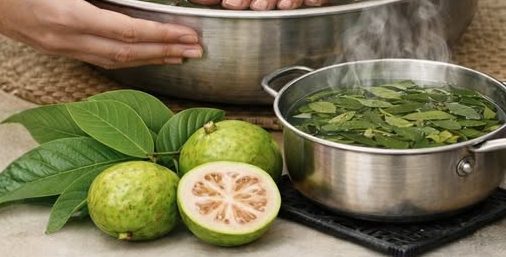
Start by washing a handful of fresh guava leaves thoroughly. Place the leaves in a small pot with two cups of water and bring the mixture to a gentle boil.
Allow the leaves to simmer for about 10 to 15 minutes so their beneficial compounds can infuse into the water.
After simmering, strain the tea and allow it to cool slightly before drinking. Some people prefer to add a small amount of honey or lemon to improve the taste.
Drinking one cup of guava leaf tea once or twice a day is a common practice among those who include it in their wellness routine.
Additional Tips to Help Reduce Water Retention
Natural remedies often work best when combined with healthy lifestyle habits.
Reducing excessive salt intake may help prevent the body from holding onto too much fluid. Eating potassium-rich foods such as bananas, leafy greens, and avocados may also help maintain fluid balance.
Regular physical activity helps stimulate circulation and encourages the body to move excess fluid out of tissues.
Staying hydrated is also important, as drinking enough water helps the body regulate fluid levels more effectively.
When to Seek Medical Advice
Although mild water retention can sometimes be managed with lifestyle changes, persistent or severe swelling should always be evaluated by a healthcare professional.
Fluid retention can sometimes be linked to underlying conditions involving the heart, kidneys, or liver. Medical guidance is important if swelling appears suddenly or becomes painful.
A Gentle Herbal Option
Guava leaves have been valued in traditional herbal practices for generations. Their natural compounds and potential diuretic properties make them an interesting option for people looking to support their body’s natural fluid balance.
When used responsibly and combined with healthy habits, guava leaf tea may offer a gentle way to help reduce occasional bloating and support overall wellness.