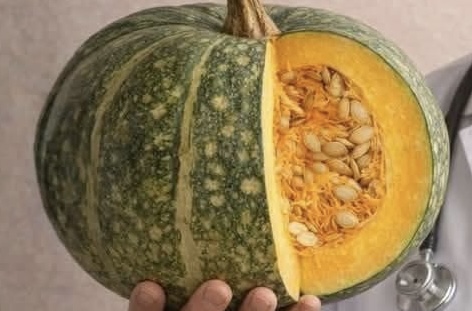
Pumpkin seeds are small but incredibly nutritious foods that have been valued in traditional diets for centuries. These seeds, often found inside pumpkins and squash, are rich in essential nutrients, healthy fats, fiber, and antioxidants. Today, pumpkin seeds are widely recognized as a healthy snack and functional food that may support heart health, balanced blood sugar levels, and overall well-being.
Many people are searching for natural foods that help support a healthy lifestyle. Pumpkin seeds are one such food because they contain nutrients linked to cholesterol management, improved circulation, and metabolic health.
In this article, we explore the nutritional value of pumpkin seeds, their potential health benefits, and how they can be included in a balanced diet.
What Are Pumpkin Seeds?
Pumpkin seeds, sometimes called pepitas, are edible seeds found inside pumpkins. They are flat, oval-shaped seeds that can be eaten raw, roasted, or added to a variety of dishes.
Pumpkin seeds have been consumed for thousands of years in different cultures and are commonly used in both traditional cuisine and modern healthy diets.
These seeds are considered a nutrient-dense food, meaning they provide a large amount of beneficial nutrients relative to their size.
Nutritional Value of Pumpkin Seeds
Pumpkin seeds are rich in many important nutrients that support overall health.
Key nutrients found in pumpkin seeds include:
- Magnesium
- Zinc
- Iron
- Protein
- Healthy fats
- Fiber
- Antioxidants
These nutrients play an important role in supporting the body’s heart health, immune system, and metabolic processes.
Pumpkin Seeds and Heart Health
Heart health is a major concern for many people worldwide. Pumpkin seeds contain several nutrients that may support cardiovascular wellness.
Magnesium, for example, helps regulate blood pressure and supports proper muscle function, including the heart.
Pumpkin seeds also contain healthy unsaturated fats, which may help support healthy cholesterol levels when included as part of a balanced diet.
Eating foods rich in nutrients like magnesium and healthy fats may contribute to maintaining normal heart function.
Supporting Healthy Cholesterol Levels
Maintaining balanced cholesterol levels is important for cardiovascular health. Pumpkin seeds contain phytosterols, plant compounds that may help support cholesterol balance.
These compounds may help reduce the absorption of cholesterol in the digestive system.
In addition, the fiber found in pumpkin seeds can contribute to maintaining healthy cholesterol levels when combined with a balanced diet rich in fruits, vegetables, and whole grains.
Pumpkin Seeds and Blood Sugar Balance
Blood sugar control is important for long-term health. Pumpkin seeds contain protein, fiber, and healthy fats, which may help support stable blood sugar levels.
Foods that contain fiber and protein are often digested more slowly, which can help prevent sudden spikes in blood sugar after meals.
Including nutrient-dense foods like pumpkin seeds in a balanced diet may support overall metabolic health.
Iron and Energy Support
Pumpkin seeds are also a good source of iron, a mineral that plays an essential role in the body.
Iron is important for:
- Oxygen transport in the blood
- Energy production
- Supporting healthy red blood cells
Including iron-rich foods in the diet can help support normal energy levels and overall vitality.
Rich Source of Antioxidants
Pumpkin seeds contain antioxidants, which help protect cells from oxidative stress caused by free radicals.
Oxidative stress is associated with many health concerns, including inflammation and aging.
Consuming foods rich in antioxidants may help support the body’s natural protective systems.
Pumpkin Seeds and Digestive Health
Fiber is an important component of a healthy digestive system, and pumpkin seeds provide a moderate amount of dietary fiber.
Fiber helps support digestion by:
- Promoting regular bowel movements
- Supporting gut bacteria
- Helping maintain digestive comfort
A diet rich in fiber-containing foods can contribute to better digestive health.
How to Include Pumpkin Seeds in Your Diet
Pumpkin seeds are versatile and easy to incorporate into everyday meals.
Some simple ways to enjoy pumpkin seeds include:
- Sprinkling them on salads
- Adding them to yogurt or oatmeal
- Mixing them into smoothies
- Using them in homemade granola
- Roasting them as a healthy snack
Their mild, nutty flavor makes them a popular ingredient in many recipes.
Roasted Pumpkin Seeds Recipe
Preparing roasted pumpkin seeds at home is simple.
Ingredients
- 1 cup pumpkin seeds
- 1 teaspoon olive oil
- A pinch of salt
- Optional spices such as paprika or garlic powder
Preparation
- Preheat the oven to 180°C (350°F).
- Rinse the pumpkin seeds and remove any pulp.
- Dry them thoroughly.
- Mix the seeds with olive oil and seasoning.
- Spread them on a baking tray.
- Roast for about 10–15 minutes until lightly golden.
Allow them to cool before eating.
Pumpkin Seeds and Healthy Weight Management
Pumpkin seeds contain protein and healthy fats, which may help increase feelings of fullness.
Eating nutrient-dense snacks that contain protein and fiber may help reduce unnecessary snacking between meals.
However, pumpkin seeds are also calorie-dense, so moderation is important.
Important Health Considerations
Although pumpkin seeds offer many nutritional benefits, it is important to maintain balance.
Eating excessive amounts of any food may lead to unwanted effects, such as excess calorie intake.
People with allergies to seeds or nuts should also be cautious.
Pumpkin seeds should be considered part of a healthy diet rather than a cure for medical conditions.
Serious health conditions such as diabetes, anemia, or heart disease require proper medical care and professional guidance.
Pumpkin Seeds in Traditional Diets
Pumpkin seeds have been used in many traditional cuisines around the world.
For example:
- In Mexico, they are commonly used in sauces and snacks.
- In Middle Eastern cuisine, they are often roasted and served as a healthy snack.
- In Europe, they are used in breads and baked goods.
Their long history in traditional diets highlights their value as a nutritious natural food.
Balanced Nutrition for Long-Term Health
While pumpkin seeds provide many beneficial nutrients, maintaining overall health requires a balanced lifestyle.
Healthy habits include:
- Eating a variety of whole foods
- Staying physically active
- Getting enough sleep
- Managing stress levels
- Following medical advice when needed
No single food can replace the importance of a healthy lifestyle.
Conclusion
Pumpkin seeds are a nutritious and versatile food that provide important nutrients such as magnesium, iron, protein, and antioxidants. When included in a balanced diet, they may support heart health, digestive wellness, and overall nutritional balance.
Although pumpkin seeds are not a medical treatment for conditions like diabetes or anemia, they can be a valuable addition to a healthy diet.
By incorporating natural foods like pumpkin seeds into everyday meals, people can support their long-term wellness while enjoying delicious and nutrient-rich ingredients.