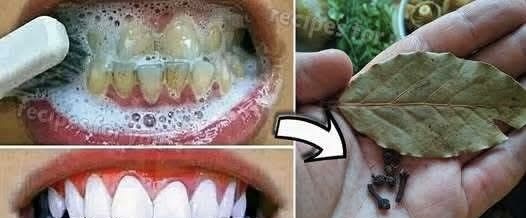
A bright white smile is often associated with good oral hygiene and confidence. Many people search for natural teeth whitening methods to remove stains and improve the appearance of their teeth without expensive dental treatments. Social media frequently promotes homemade remedies using common kitchen ingredients, but it is important to understand which approaches are safe and effective.
Natural oral care focuses on maintaining healthy teeth, preventing stains, and supporting overall dental hygiene. While some natural ingredients may help improve the appearance of teeth, they should always be used carefully to protect the enamel.
This guide explores how teeth become stained, natural ways to maintain a brighter smile, and safe habits for healthy teeth.
Why Teeth Become Yellow or Stained
Teeth naturally change color over time due to a variety of factors. Understanding the causes of discoloration can help prevent staining and maintain whiter teeth.
Common reasons teeth become yellow include:
- Drinking coffee or tea
- Smoking or tobacco use
- Dark-colored foods and beverages
- Poor oral hygiene
- Aging and enamel thinning
The outer layer of teeth, known as enamel, can become stained by pigments from food and drinks. Over time, these pigments accumulate and cause teeth to appear darker.
Importance of Good Oral Hygiene
Maintaining good oral hygiene is the most effective way to keep teeth healthy and bright.
Healthy dental habits include:
- Brushing teeth twice daily
- Flossing regularly
- Using fluoride toothpaste
- Visiting the dentist for regular checkups
These habits help remove plaque and prevent the buildup of stains on the teeth.
Natural Ingredients Used in Oral Care
Several natural ingredients are commonly mentioned in home dental care routines. Some of these ingredients may help support oral hygiene when used correctly.
Examples include:
- Baking soda
- Coconut oil
- Clove
- Bay leaf powder
- Activated charcoal
These ingredients are often used in small amounts as part of traditional oral care practices.
Baking Soda and Teeth Cleaning
Baking soda is one of the most widely used natural ingredients for cleaning teeth.
It has mild abrasive properties that may help remove surface stains from the teeth.
Some toothpaste products even include baking soda as an ingredient.
However, baking soda should be used gently because excessive abrasion can damage enamel over time.
Coconut Oil and Oil Pulling
Oil pulling is an ancient practice that involves swishing oil in the mouth for several minutes.
Coconut oil is commonly used because it contains natural compounds that may help reduce harmful bacteria in the mouth.
Oil pulling may support oral hygiene by helping reduce plaque and improving gum health.
It is usually done in the morning before brushing teeth.
Clove in Traditional Oral Care
Clove has been used in traditional dental care for centuries.
It contains a compound called eugenol, which has been studied for its antimicrobial and soothing properties.
Clove oil or clove powder has sometimes been used to help support gum comfort and oral hygiene.
However, clove should be used carefully and in small amounts.
Bay Leaf Powder in Traditional Teeth Cleaning
Bay leaf powder is sometimes mentioned in traditional remedies for removing surface stains.
It may act as a mild abrasive that helps polish teeth.
When combined with other natural ingredients, it may be used occasionally as a gentle tooth cleaning powder.
However, it should not replace regular toothpaste or professional dental care.
Foods That Help Maintain Healthy Teeth
Diet plays an important role in oral health.
Certain foods may help support healthy teeth and gums.
Examples include:
- Crunchy fruits like apples
- Carrots and celery
- Dairy products rich in calcium
- Leafy green vegetables
These foods help stimulate saliva production and provide nutrients that support tooth health.
Importance of Saliva for Oral Health
Saliva plays a crucial role in protecting teeth.
It helps:
- Wash away food particles
- Neutralize acids in the mouth
- Protect enamel from damage
Drinking enough water and eating healthy foods helps maintain proper saliva production.
Professional Teeth Whitening
While natural methods may help with minor surface stains, professional dental treatments provide more noticeable whitening results.
Dentists may offer procedures such as:
- Professional whitening gels
- Laser whitening treatments
- Customized whitening trays
These treatments are designed to safely lighten tooth color while protecting enamel.
Risks of Overusing Whitening Methods
Using too many whitening treatments can harm tooth enamel.
Overuse of abrasive materials may cause:
- Tooth sensitivity
- Enamel damage
- Gum irritation
It is important to use whitening methods in moderation and prioritize overall oral health.
Tips for Maintaining a Bright Smile
Maintaining a bright smile requires consistent habits and proper dental care.
Helpful tips include:
- Brush teeth after consuming staining foods
- Use a straw when drinking colored beverages
- Avoid smoking or tobacco use
- Drink plenty of water
- Schedule regular dental cleanings
These habits help reduce stains and protect teeth.
Natural Oral Care and Healthy Lifestyle
A healthy lifestyle contributes to good oral health.
Important habits include:
- Balanced nutrition
- Proper hydration
- Limiting sugary foods
- Practicing daily dental hygiene
These practices support both oral health and overall well-being.
Understanding the Limits of Home Remedies
Many social media posts claim that natural ingredients can whiten teeth instantly or remove deep stains.
In reality, most home remedies only help remove minor surface stains.
Serious discoloration usually requires professional dental treatment.
Understanding the limitations of natural methods helps prevent damage to teeth.
Conclusion
Natural teeth whitening methods can play a supportive role in maintaining a bright smile when combined with good oral hygiene. Ingredients such as baking soda, coconut oil, clove, and bay leaf powder have been used in traditional oral care practices and may help remove minor stains from the surface of teeth.
However, the most important factors for healthy and white teeth remain regular brushing, balanced nutrition, and professional dental care. Natural remedies should always be used gently and responsibly to protect tooth enamel.
By focusing on proper oral hygiene and healthy habits, it is possible to maintain a smile that looks clean, healthy, and naturally bright.