Natural Support for Muscle Pain, Stress Relief, and Relaxation
Epsom salt has been widely used for decades as a simple and affordable natural remedy. Known scientifically as magnesium sulfate, Epsom salt is commonly used in baths, foot soaks, and wellness routines. Many people turn to it for relaxation, muscle comfort, and overall self-care.
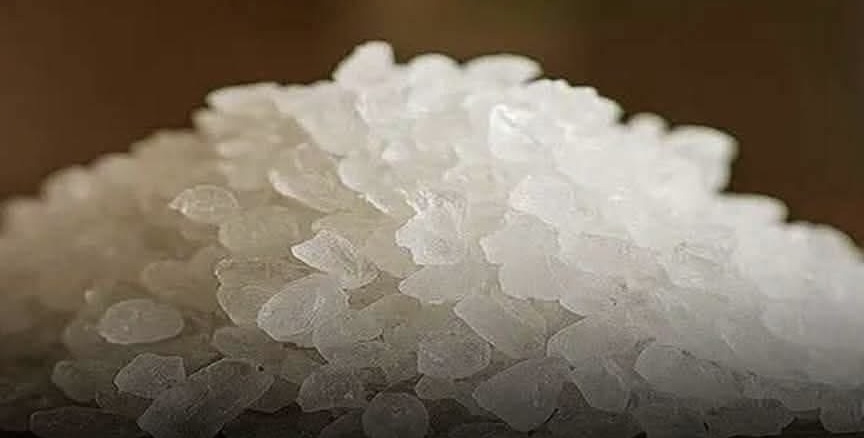
Although it is often called “salt,” Epsom salt is actually a mineral compound that dissolves easily in water. When added to warm water, it creates a soothing bath that many people use to relax their body after a long day.
In this article, we explore what Epsom salt is, how it works, its possible wellness benefits, and how to use it safely as part of a healthy lifestyle.
What Is Epsom Salt?
Epsom salt is a mineral compound made of magnesium, sulfur, and oxygen. It was originally discovered in the town of Epsom in England, which is where it gets its name.
Unlike table salt, Epsom salt has a different chemical structure and is not commonly used for cooking. Instead, it is used in wellness routines, baths, gardening, and household care.
Because it dissolves easily in warm water, Epsom salt is frequently used in bath treatments and spa therapies.
The Importance of Magnesium for the Body
Magnesium is an essential mineral that plays a role in many bodily functions. It contributes to:
- Muscle function
- Nerve health
- Bone health
- Energy production
- Stress regulation
Some wellness traditions suggest that soaking in magnesium-rich baths may help support relaxation and muscle comfort.
Although research on magnesium absorption through the skin is still ongoing, many people report feeling relaxed after using Epsom salt baths.
Epsom Salt and Muscle Relaxation
One of the most popular uses of Epsom salt is for muscle relaxation after physical activity.
Athletes and active individuals sometimes use Epsom salt baths after workouts because warm baths can help relax muscles and promote recovery.
Warm water itself helps increase circulation and may reduce muscle stiffness, while the minerals in Epsom salt contribute to the soothing experience.
This is why many spas and wellness centers include mineral baths in their treatments.
Epsom Salt for Stress Relief
Taking a warm bath with Epsom salt is often associated with relaxation and stress reduction.
After a busy or stressful day, a warm bath can help calm the body and mind. The warmth of the water, combined with a peaceful environment, encourages the body to relax.
Many people incorporate Epsom salt baths into evening routines to promote relaxation before sleep.
Epsom Salt and Sleep Support
Relaxation before bedtime is important for maintaining healthy sleep habits.
Warm baths may help the body prepare for sleep by lowering stress levels and relaxing muscles.
Some people believe that magnesium may support the nervous system and contribute to better sleep quality, although results vary from person to person.
Creating a calming nighttime routine with a warm bath can be a helpful wellness habit.
Foot Soaks with Epsom Salt
Epsom salt is also commonly used in foot soaks.
Soaking feet in warm water with Epsom salt may help relieve tired feet after standing or walking for long periods.
A simple foot soak can help:
- Relax muscles in the feet
- Reduce feelings of fatigue
- Support overall foot comfort
Foot soaks are popular in home spa treatments because they are simple and relaxing.
Skin Care Uses of Epsom Salt
Some people use Epsom salt as part of natural skincare routines.
Because of its crystal texture, it can be used as a gentle exfoliating ingredient in body scrubs. When mixed with oils, it helps remove dead skin cells and smooth the skin.
Natural exfoliation may help improve the appearance of skin by encouraging healthy skin renewal.
However, individuals with sensitive skin should always use gentle pressure and test products carefully.
Epsom Salt in Gardening
Epsom salt is also popular in gardening because magnesium is an important nutrient for plant growth.
Gardeners sometimes use Epsom salt to support plant health by adding it to soil or dissolving it in water.
Magnesium plays a role in chlorophyll production, which helps plants perform photosynthesis.
However, gardeners should always use minerals carefully and according to plant needs.
How to Use Epsom Salt Safely
If you want to try Epsom salt in your wellness routine, there are several common ways to use it.
Epsom Salt Bath
Add about 1 to 2 cups of Epsom salt to a warm bathtub and soak for 15 to 20 minutes.
This allows the salt to dissolve completely and creates a relaxing bath experience.
Foot Soak
Add ½ cup of Epsom salt to a basin of warm water and soak your feet for 10 to 15 minutes.
Body Scrub
Mix Epsom salt with natural oils such as coconut oil or olive oil to create a simple exfoliating scrub.
Always rinse thoroughly after use.
Important Safety Considerations
While Epsom salt is generally safe for external use, it should be used responsibly.
Important precautions include:
- Avoid using it on broken or irritated skin.
- Consult a healthcare professional if you have certain medical conditions.
- Do not consume Epsom salt without medical advice.
- People with kidney problems should consult a doctor before using magnesium-based products.
Using natural remedies responsibly is essential for maintaining good health.
Natural Remedies and Balanced Health
Natural remedies like Epsom salt baths can be a relaxing addition to a healthy lifestyle. However, they should never replace professional medical treatment for serious health conditions.
Maintaining health involves many factors, including:
- Balanced nutrition
- Regular exercise
- Proper sleep
- Stress management
- Medical care when needed
Natural wellness practices work best when combined with healthy daily habits.
Why Epsom Salt Remains Popular
Epsom salt has remained popular for many years because it is affordable, widely available, and simple to use.
Many people enjoy the calming experience of a warm mineral bath, especially after a physically demanding day.
Whether used in home spa treatments, foot soaks, or relaxation routines, Epsom salt continues to be a well-known part of natural wellness traditions.
Conclusion
Epsom salt is a mineral compound that has been used for generations in wellness routines. Known for its association with relaxation and muscle comfort, it is commonly used in baths, foot soaks, and natural skincare treatments.
While it may contribute to relaxation and self-care, it is important to use Epsom salt responsibly and understand that it is not a cure for medical conditions.
When combined with healthy lifestyle habits, relaxation practices like Epsom salt baths can support overall well-being and provide a simple way to unwind and care for the body.