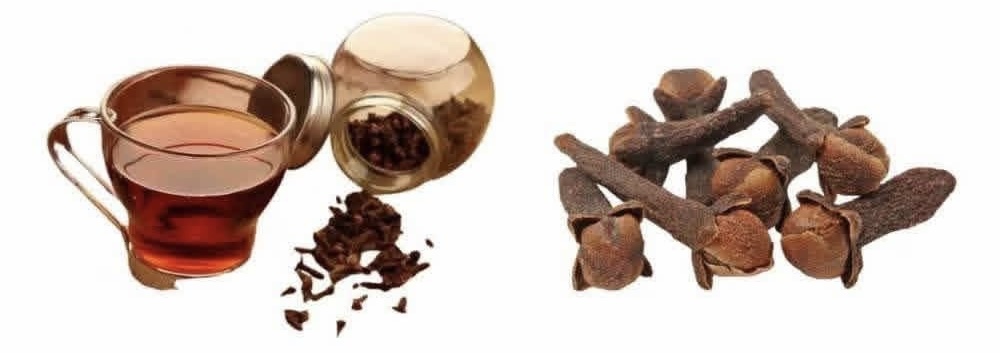
Clove tea is a traditional herbal drink made by steeping dried cloves in hot water. Known for its warm aroma and rich flavor, clove tea has been used in many cultures for centuries as part of natural wellness routines.
Cloves are the dried flower buds of the clove tree (Syzygium aromaticum). They are widely used in cooking, herbal teas, and traditional remedies. Cloves contain natural compounds such as antioxidants and essential oils that give them their distinctive aroma and potential wellness properties.
In this article, we explore what clove tea is, how it is prepared, its potential health-supporting properties, and why it remains a popular herbal beverage today.
What Is Clove Tea?
Clove tea is a simple herbal infusion prepared by boiling or steeping whole cloves in hot water. This process releases the aromatic oils and natural compounds found in cloves.
The tea has a warm, slightly spicy taste and is often consumed on its own or combined with other ingredients such as:
- Ginger
- Cinnamon
- Honey
- Lemon
Because of its comforting flavor and soothing warmth, clove tea is commonly enjoyed during cold weather or as part of a relaxing evening routine.
Nutritional Compounds Found in Cloves
Cloves contain several beneficial plant compounds that contribute to their popularity in herbal traditions.
Some of the key compounds include:
- Eugenol – a natural compound responsible for clove’s strong aroma
- Antioxidants – compounds that help protect cells from oxidative stress
- Manganese – a mineral important for metabolism and bone health
- Fiber – small amounts present in cloves
These compounds have led to interest in cloves as part of natural wellness practices.
Clove Tea and Antioxidant Support
Cloves are known to contain high levels of antioxidants compared to many other spices.
Antioxidants help neutralize free radicals in the body. Free radicals are unstable molecules that can contribute to oxidative stress.
Consuming foods and beverages rich in antioxidants may support overall health and help protect cells.
Drinks such as herbal teas are often included in balanced diets that emphasize antioxidant-rich foods.
Clove Tea and Digestive Comfort
In many traditional cultures, cloves have been used to support digestive comfort.
Warm herbal teas may help soothe the digestive system, especially when consumed after meals.
Clove tea is sometimes used in traditional practices to help with:
- Occasional bloating
- Digestive discomfort
- Feeling of fullness after meals
While individual experiences vary, warm herbal beverages can contribute to digestive relaxation.
Clove Tea and Relaxation
The aromatic oils in cloves create a comforting scent that many people associate with relaxation.
Drinking warm herbal tea can help create a calming environment and encourage relaxation after a busy day.
Clove tea is often consumed as part of evening routines because warm beverages may help the body unwind before bedtime.
Creating small rituals like drinking herbal tea can support overall mental well-being.
Clove Tea and Circulation
Cloves contain natural compounds that have been studied for their potential effects on circulation.
Warm beverages themselves can encourage relaxation of blood vessels, which may support healthy circulation.
Herbal teas such as clove tea are often included in wellness traditions that emphasize natural plant ingredients.
However, more research is needed to fully understand the effects of cloves on circulation.
Clove Tea and Skin Health
A balanced diet that includes antioxidant-rich foods and beverages may support skin health.
Cloves contain antioxidants that may help protect the body from oxidative stress, which can affect skin health over time.
While drinking clove tea alone cannot transform the skin, it can be part of a healthy lifestyle that includes:
- Proper hydration
- Balanced nutrition
- Adequate sleep
- Stress management
Healthy habits play an important role in maintaining healthy skin.
Clove Tea and Traditional Herbal Practices
Cloves have a long history in traditional herbal medicine systems, particularly in Asia and the Middle East.
They have been used for:
- Herbal teas
- Aromatic spices
- Traditional wellness preparations
Herbal drinks made from cloves are often appreciated for their warming and soothing properties.
Today, many people continue to explore traditional herbal beverages as part of natural wellness routines.
How to Make Clove Tea at Home
Preparing clove tea is simple and requires only a few ingredients.
Ingredients
- 4 to 5 whole cloves
- 1 cup of water
- Optional: honey or lemon
Preparation
- Bring one cup of water to a boil.
- Add the cloves to the hot water.
- Let the mixture simmer for about 5 to 10 minutes.
- Strain the tea into a cup.
- Add honey or lemon if desired.
The longer the cloves steep, the stronger the flavor will become.
Popular Variations of Clove Tea
Many people combine cloves with other ingredients to create flavorful herbal drinks.
Common variations include:
Clove and Ginger Tea
Ginger adds a spicy flavor and is often used in traditional herbal drinks for digestive comfort.
Clove and Cinnamon Tea
Cinnamon complements the warmth of cloves and creates a fragrant herbal tea.
Clove and Lemon Tea
Adding lemon provides a refreshing citrus flavor.
These variations allow people to customize the taste of their herbal tea.
Important Safety Considerations
Although cloves are commonly used as a spice, it is important to consume them in moderation.
Possible precautions include:
- Excessive clove consumption may cause digestive discomfort.
- Clove oil is highly concentrated and should not be consumed directly without guidance.
- People with certain medical conditions should consult a healthcare professional before consuming herbal remedies regularly.
Moderation and balanced nutrition are key components of a healthy lifestyle.
Herbal Teas and a Healthy Lifestyle
Herbal teas such as clove tea can be a relaxing addition to daily routines.
However, they should be viewed as part of a broader approach to wellness that includes:
- Balanced meals
- Regular physical activity
- Adequate hydration
- Good sleep habits
Herbal drinks can support relaxation and comfort, but they are not substitutes for medical care.
Why Clove Tea Remains Popular
Clove tea remains popular because it is simple, affordable, and easy to prepare.
Many people enjoy its warming flavor and aromatic scent, especially during colder seasons.
In addition, herbal beverages offer a natural alternative to sugary drinks and processed beverages.
This combination of flavor, tradition, and simplicity continues to make clove tea a widely enjoyed herbal drink.
Conclusion
Clove tea is a traditional herbal beverage made from dried cloves steeped in hot water. Known for its warm aroma and distinctive taste, it has been enjoyed for generations as part of natural wellness practices.
Cloves contain antioxidants and aromatic compounds that contribute to their popularity in herbal teas. While clove tea may support relaxation and digestive comfort, it should be consumed as part of a balanced lifestyle rather than viewed as a cure for medical conditions.
By incorporating simple herbal drinks like clove tea into daily routines, many people enjoy moments of relaxation while exploring traditional natural ingredients.