Many people have experienced the strange sensation of their hands “falling asleep.” It usually begins with numbness, tingling, or a pins-and-needles feeling that can make the hand temporarily difficult to move. While it can be uncomfortable, this sensation is often harmless and usually happens when nerves or blood vessels are under pressure.
Understanding why your hands fall asleep can help you prevent it and support better nerve and circulation health.
What Does It Mean When Your Hand Falls Asleep?
When your hand falls asleep, it usually means that a nerve in your arm, wrist, or hand has been compressed for a short period of time. This compression interrupts normal nerve signals and blood flow, causing numbness or tingling.
Once the pressure is relieved, the nerves begin to function normally again, and the tingling sensation fades.
Although this is usually temporary, frequent episodes may indicate an underlying issue that deserves attention.
Sleeping Position
One of the most common reasons hands fall asleep is sleeping in a position that places pressure on the arm or wrist. When you lie on your arm or bend your wrist for a long time, nerves can become compressed.
This often happens during deep sleep when the body stays in the same position for hours. Once you change position, circulation and nerve signals return to normal.
Adjusting sleeping posture and using supportive pillows may help reduce this problem.
Poor Circulation
Reduced blood flow can also cause numbness in the hands. When circulation is temporarily restricted, the nerves in the area may not receive enough oxygen and nutrients.
Sitting or lying in one position for long periods can contribute to this issue. Improving movement and stretching regularly may help support healthy circulation.
Keeping the body active throughout the day can reduce the chances of numbness developing.
Carpal Tunnel Syndrome
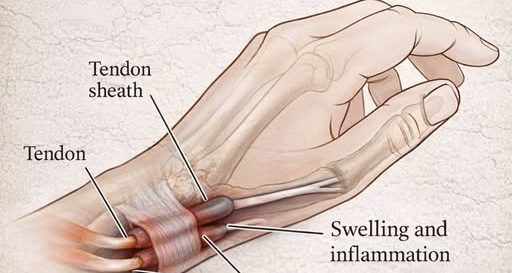
Another possible cause is carpal tunnel syndrome, a condition that affects the median nerve in the wrist. This nerve runs through a narrow passage called the carpal tunnel.
When the surrounding tissues become swollen or irritated, the nerve may become compressed. This can cause numbness, tingling, and weakness in the hand or fingers, especially at night.
People who frequently use keyboards, tools, or repetitive hand movements may be more likely to develop this condition.
Vitamin Deficiencies
Certain vitamin deficiencies, particularly low levels of vitamin B12, may contribute to nerve-related symptoms such as tingling or numbness in the hands.
Vitamin B12 plays an important role in maintaining healthy nerve function. When levels are too low, nerve signals may become disrupted.
Eating foods rich in B vitamins, such as eggs, dairy, fish, and leafy greens, may help support nerve health.
Natural Remedies That May Help
Several simple habits may help reduce the frequency of numb hands.
Gentle stretching exercises for the wrists and hands can improve flexibility and reduce nerve pressure. Rotating the wrists and opening and closing the hands several times a day may support circulation.
Maintaining good posture while working at a desk can also help prevent nerve compression in the neck, shoulders, and arms.
Warm compresses may help relax muscles and encourage better blood flow in the affected area.
Some people also find relief by massaging their hands and forearms to stimulate circulation.
When to Seek Medical Advice
Occasional numbness in the hands is usually harmless. However, if the sensation occurs frequently, lasts for a long time, or is accompanied by weakness, pain, or loss of coordination, it is important to consult a healthcare professional.
Persistent symptoms may indicate nerve compression or another medical condition that requires evaluation.
Taking Care of Your Nerve Health
The sensation of your hands falling asleep can be surprising, but it is often a temporary signal from your body that something needs adjustment. By improving posture, staying active, and supporting nerve health with proper nutrition, many people can reduce these uncomfortable episodes.
Paying attention to your body’s signals and maintaining healthy habits can go a long way toward keeping your hands comfortable and functioning well every day.