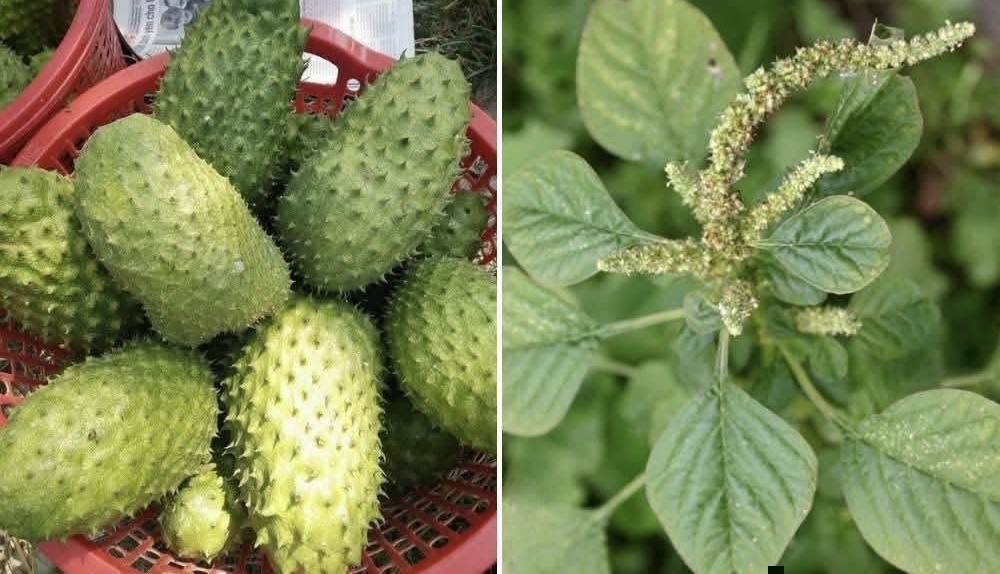
Many fruits and plants are traditionally associated with wellness benefits. Two plants often mentioned in natural health discussions are soursop (Annona muricata) and amaranth (Amaranthus species). Both are nutrient-rich plants that have been used in traditional diets and herbal practices in many regions of the world.
However, it is important to understand that foods and plants can support nutrition but cannot replace medical treatment for serious conditions such as prostate disease or cancer.
What Is Soursop?
Soursop is a tropical fruit known for its green spiky skin and soft white pulp. It grows in warm regions such as South America, Africa, and parts of Asia.
Soursop contains several nutrients including:
- Vitamin C
- Fiber
- Potassium
- Antioxidants
These nutrients help support immune function and general health when included as part of a balanced diet.
Traditional Uses of Soursop
In traditional practices, different parts of the soursop plant—including the fruit and leaves—have been used in teas and natural remedies.
Soursop fruit is commonly consumed as:
- Fresh fruit
- Juice or smoothies
- Desserts and beverages
Its natural nutrients may support hydration and provide antioxidant compounds.
What Is Amaranth?
Amaranth is a plant that has been cultivated for thousands of years. Some species are grown for their nutritious seeds, while others are used for their edible leaves.
Amaranth is known for being rich in nutrients such as:
- Protein
- Fiber
- Iron
- Magnesium
- Calcium
Because of its nutritional value, amaranth is often considered a highly nutritious plant food.
Nutritional Benefits of Amaranth
Amaranth seeds and leaves provide important nutrients that support overall health.
Possible nutritional benefits include:
- Supporting digestion due to fiber content
- Providing plant-based protein
- Supplying essential minerals
Amaranth leaves are also widely consumed as leafy vegetables in many cultures.
Antioxidants and Plant Compounds
Both soursop and amaranth contain natural antioxidants. Antioxidants help protect cells from oxidative stress caused by free radicals.
A diet rich in antioxidant-containing foods may support:
- Immune health
- Cellular protection
- Overall wellness
Including a variety of fruits, vegetables, and plant foods is the best way to obtain these compounds.
Prostate Health and Lifestyle
Prostate health is influenced by multiple factors, including age, genetics, diet, and lifestyle. Maintaining a healthy lifestyle plays an important role in supporting prostate function.
Healthy habits that support prostate health include:
- Eating a balanced diet rich in vegetables and fruits
- Maintaining a healthy weight
- Staying physically active
- Avoiding smoking
- Getting regular medical checkups
Medical professionals should always be consulted for prostate-related symptoms.
Importance of Medical Care
Serious health conditions such as prostate enlargement or prostate cancer require professional medical diagnosis and treatment. No single plant, fruit, or home remedy can cure these conditions.
Early screening and medical guidance are essential for maintaining long-term health.
Conclusion
Soursop and amaranth are nutritious plants that provide vitamins, minerals, fiber, and antioxidants. When included in a balanced diet, they can contribute to overall nutrition and wellness.
However, maintaining prostate health depends on healthy lifestyle habits and appropriate medical care rather than relying on individual foods or traditional remedies alone.