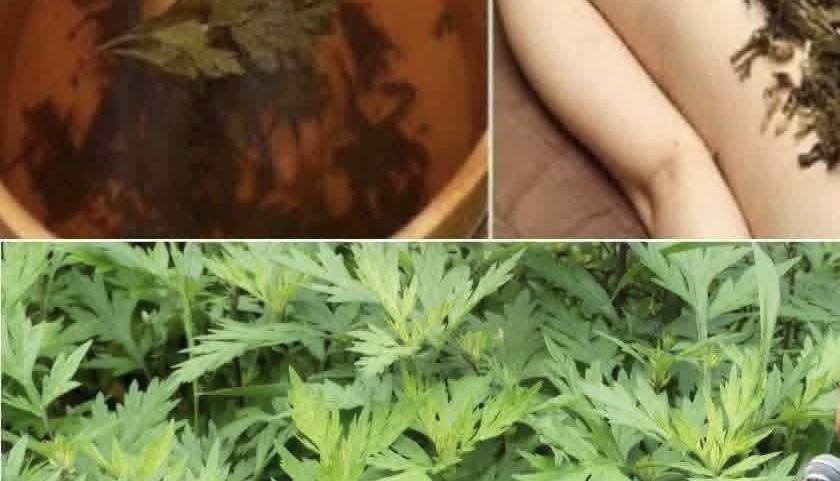
Traditional Uses of Medicinal Plants
In many traditional wellness practices, plants have been used externally for relaxation and comfort. Herbal baths, foot soaks, and warm plant compresses are methods that have been used in different cultures to help support relaxation and skin care.
These practices often involve soaking herbs in warm water or applying warm plant material to the body. While they can provide a soothing experience, they should be considered complementary wellness practices, not medical treatments.
Herbal Foot Soaks
Foot soaking is a simple traditional practice used to relax the body after long periods of standing or walking. Warm water combined with herbs may help create a calming experience.
Possible benefits of warm foot baths include:
- Promoting relaxation
- Supporting circulation in the feet
- Helping relieve tired muscles
Adding herbs to the water can introduce natural aromas that enhance the relaxing effect.
Herbal Body Compresses
Some traditional wellness methods involve placing warm herbs or herbal cloth compresses on the back or muscles.
These compresses may help support:
- Muscle relaxation
- Temporary relief from stiffness
- A soothing spa-like experience
The warmth and gentle pressure can contribute to overall comfort.
Common Plants Used in Herbal Baths
Many herbs have been traditionally used in herbal baths because of their natural aroma and plant compounds.
Examples include:
- Mugwort
- Rosemary
- Mint
- Chamomile
- Eucalyptus
These herbs contain natural oils that produce a calming fragrance when soaked in warm water.
Aromatic and Relaxation Effects
One of the primary benefits of herbal baths comes from the aromatic compounds released by plants. These aromas can promote relaxation and create a calming environment.
Relaxation practices may help support:
- Stress reduction
- Better sleep quality
- Overall well-being
Warm baths themselves are often used for relaxation even without herbs.
Skin and Comfort Benefits
Warm herbal baths may also help soften the skin and provide temporary comfort for tired muscles.
Possible comfort effects include:
- Relaxed muscles
- Softened skin
- Reduced feelings of fatigue
However, people with sensitive skin should test herbs carefully to avoid irritation.
Important Safety Considerations
Although herbal wellness practices can be relaxing, they should be used responsibly.
Precautions include:
- Avoiding very hot water
- Testing herbs for possible skin reactions
- Avoiding unknown or potentially toxic plants
- Consulting professionals if there are existing medical conditions
Not all plants are safe for skin contact.
Healthy Lifestyle and Relaxation
Relaxation techniques are an important part of overall wellness. Along with herbal baths, other healthy relaxation habits include:
- Regular physical activity
- Adequate sleep
- Balanced nutrition
- Stress management techniques such as meditation or breathing exercises
These habits support both physical and mental well-being.
Conclusion
Herbal baths, foot soaks, and warm compresses are traditional wellness practices that may promote relaxation and comfort. While they can provide a soothing experience, they should not be used as treatments for medical conditions.
Maintaining good health depends on balanced lifestyle habits, proper healthcare guidance, and responsible use of traditional practices.