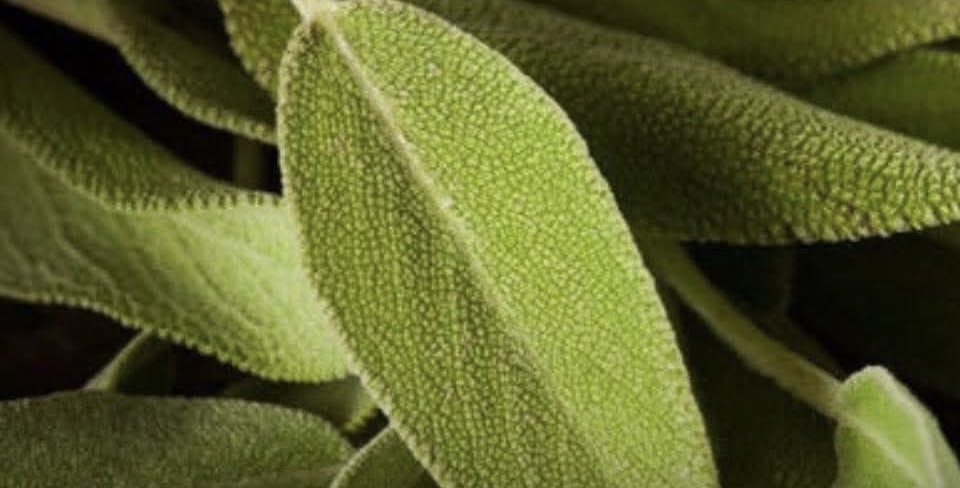
Sage (Salvia officinalis) is a well-known medicinal and culinary herb that has been used for centuries in traditional medicine and cooking. Recognized for its soft green leaves and strong aroma, sage is widely valued for its natural plant compounds and antioxidants. Many cultures have used sage in herbal remedies to support overall health and well-being.
Today, sage continues to be studied for its nutritional value and potential health-supporting properties.
Nutritional Components of Sage
Sage leaves contain a variety of vitamins, minerals, and plant compounds that contribute to their health-supporting properties.
Key nutrients in sage include:
- Vitamin K
- Vitamin A
- Vitamin C
- Magnesium
- Calcium
- Iron
- Antioxidants
These nutrients help support the body’s natural processes and overall wellness.
Rich in Antioxidants
Sage is especially rich in antioxidants, which help protect cells from oxidative stress caused by free radicals.
Important antioxidant compounds found in sage include:
- Rosmarinic acid
- Carnosic acid
- Flavonoids
- Phenolic compounds
These substances help support cellular protection and may contribute to overall health.
Sage and Brain Health
Traditional herbal practices have long associated sage with memory and cognitive support. Modern research has explored the effects of sage compounds on brain function.
Some studies suggest that sage may support:
- Memory performance
- Cognitive function
- Mental clarity
However, more research is needed to fully understand these effects.
Sage and Anti-Inflammatory Properties
Sage contains plant compounds that may help support a healthy inflammatory response in the body.
A balanced inflammatory response is important for maintaining joint comfort and overall health.
The antioxidants in sage help protect tissues from oxidative damage that may contribute to inflammation.
Sage and Digestive Health
Sage has traditionally been used to support digestive comfort. Herbal teas made from sage leaves are often consumed after meals.
Digestive benefits may include:
- Supporting digestive enzymes
- Reducing digestive discomfort
- Supporting gut health
The natural compounds in sage may help promote digestive balance.
Sage and Immune Support
The vitamins and antioxidants found in sage help support the immune system. These compounds assist the body in protecting itself against environmental stress and supporting natural defense mechanisms.
Including herbs like sage in meals can contribute to a nutrient-rich diet that supports immune health.
Culinary Uses of Sage
Sage is widely used in cooking and adds a distinctive earthy flavor to many dishes.
Common culinary uses include:
- Seasoning roasted meats
- Flavoring soups and sauces
- Adding to stuffing recipes
- Enhancing vegetable dishes
Both fresh and dried sage leaves can be used depending on the recipe.
Sage Tea Preparation
Sage tea is a traditional herbal drink that can be prepared easily.
Ingredients:
- Fresh or dried sage leaves
- Hot water
Preparation:
- Boil water.
- Add a few sage leaves to the hot water.
- Let the mixture steep for 5–10 minutes.
- Strain and drink warm.
Some people add honey or lemon for additional flavor.
Growing Sage at Home
Sage is a hardy herb that grows well in gardens or containers. It prefers sunny environments and well-drained soil.
Basic growing tips include:
- Provide plenty of sunlight
- Water moderately
- Trim leaves regularly to encourage growth
Growing sage at home allows easy access to fresh leaves for cooking and herbal teas.
Safety and Moderation
While sage is safe as a culinary herb, consuming large amounts of concentrated sage extracts may not be suitable for everyone.
Individuals with medical conditions or those taking medications should consult a healthcare professional before using herbal supplements.
Moderate use in cooking or herbal tea is generally considered safe.
Healthy Lifestyle and Balanced Nutrition
Although herbs like sage provide beneficial nutrients, long-term health depends on balanced nutrition and healthy lifestyle habits.
Healthy habits include:
- Eating a variety of fruits and vegetables
- Maintaining regular physical activity
- Drinking enough water
- Getting sufficient sleep
Combining these habits helps support overall wellness.
Conclusion
Sage is a traditional herb rich in antioxidants, vitamins, and natural plant compounds. It has been valued for centuries in herbal practices and culinary traditions.
Including sage in meals or herbal teas can contribute to a balanced diet and support overall health and well-being when combined with healthy lifestyle habits.