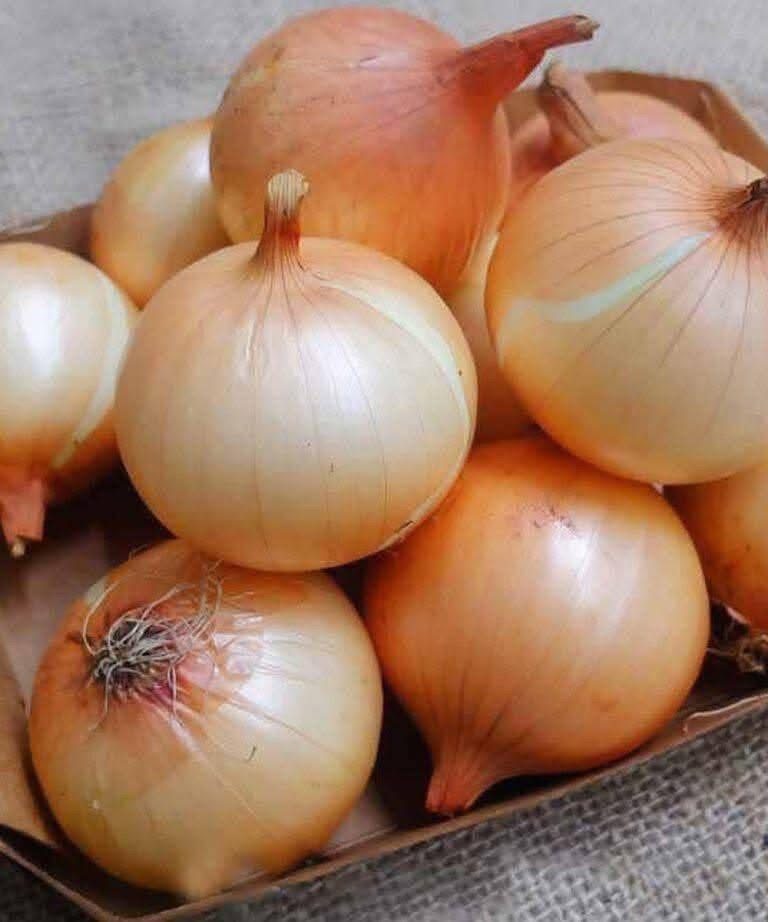
Onions are among the most widely used vegetables in kitchens around the world. Beyond their flavor and aroma, onions contain many nutrients and plant compounds that may support overall health. For centuries, onions have been used in traditional diets not only for cooking but also for their potential health-supporting properties.
Modern research shows that onions provide antioxidants, vitamins, and natural compounds that may support heart health, immune function, and digestion. Including onions as part of a balanced diet can contribute to overall wellness.
What Are Onions?
Onions belong to the Allium family, which also includes garlic, leeks, and shallots. They are known for their strong aroma and distinctive taste.
Common types of onions include:
- Yellow onions
- Red onions
- White onions
- Sweet onions
Each type has slightly different flavors, but they all contain beneficial nutrients and plant compounds.
Nutritional Value of Onions
Onions are low in calories but rich in important nutrients and antioxidants. A typical onion contains:
- Vitamin C
- Vitamin B6
- Folate
- Potassium
- Fiber
- Antioxidants
These nutrients help support immune function, cell health, and normal metabolism.
Antioxidants in Onions
Onions contain powerful antioxidants that help protect cells from oxidative stress. One of the most studied antioxidants in onions is quercetin.
Quercetin may help support:
- Healthy inflammation response
- Heart health
- Immune system balance
Antioxidants help neutralize harmful molecules known as free radicals, which can damage cells over time.
Onions and Heart Health
Research suggests that onions may support cardiovascular health in several ways.
Supporting Healthy Cholesterol Levels
Some studies indicate that compounds in onions may help maintain balanced cholesterol levels when consumed as part of a healthy diet.
Supporting Blood Pressure Balance
Onions contain natural compounds that may help support healthy blood vessel function.
Antioxidant Protection
The antioxidants in onions may help protect blood vessels from oxidative stress.
Onions and Immune System Support
Onions contain vitamin C and antioxidants that may support the immune system. Vitamin C helps support the body’s natural defense mechanisms.
Regular consumption of fruits and vegetables rich in antioxidants, including onions, contributes to overall immune health.
Onions and Digestive Health
Onions contain prebiotic fibers, which help feed beneficial bacteria in the digestive system.
Prebiotics support gut health by encouraging the growth of beneficial microorganisms. Healthy gut bacteria play an important role in digestion, immune function, and nutrient absorption.
Fiber in onions also helps support regular bowel movements and digestive comfort.
Onions and Blood Sugar Balance
Some research suggests that certain compounds found in onions may help support healthy blood sugar balance.
Onions contain sulfur compounds and antioxidants that may influence glucose metabolism. When combined with a balanced diet and healthy lifestyle, onions may contribute to better metabolic health.
Anti-Inflammatory Compounds in Onions
Onions contain natural compounds that may support a healthy inflammatory response in the body.
Chronic inflammation has been linked with several long-term health concerns. Foods rich in antioxidants and plant compounds may help support overall health by helping the body maintain balance.
Onions and Bone Health
Some research suggests that onions may support bone health due to their antioxidant content and certain plant compounds.
Including a variety of vegetables, including onions, in the diet helps provide nutrients that support healthy bones.
Different Ways to Eat Onions
Onions are versatile and can be used in many dishes.
Common ways to include onions in the diet include:
- Adding chopped onions to salads
- Cooking onions in soups and stews
- Sautéing onions with vegetables
- Using onions in sauces and marinades
Cooking onions may soften their flavor, while raw onions provide a stronger taste and higher levels of some nutrients.
Raw Onions vs Cooked Onions
Both raw and cooked onions provide health benefits.
Raw Onions
Raw onions may contain slightly higher amounts of certain antioxidants and sulfur compounds.
Cooked Onions
Cooking onions reduces their sharp taste and makes them easier to digest for some people.
Both forms can be part of a healthy diet.
Possible Side Effects of Onions
While onions are safe for most people, some individuals may experience mild digestive discomfort after consuming them.
Possible effects include:
- Gas
- Bloating
- Heartburn
People with sensitive digestion may prefer cooked onions instead of raw ones.
Choosing and Storing Onions
When buying onions, look for bulbs that are:
- Firm
- Dry
- Free from soft spots
Onions should be stored in a cool, dry place with good air circulation. Avoid storing them in sealed plastic bags, as this can trap moisture.
Proper storage helps onions last longer and maintain their quality.
Conclusion
Onions are a nutritious and versatile vegetable that provide many beneficial nutrients and plant compounds. Their antioxidants, vitamins, and prebiotic fibers may support heart health, digestion, immune function, and overall wellness.
Including onions in a balanced diet rich in fruits, vegetables, whole grains, and healthy proteins can contribute to better long-term health. Regular consumption of nutrient-rich foods like onions helps support the body’s natural systems and maintain overall well-being.