Heart health is essential for overall well-being. High blood pressure and poor circulation are common health concerns that affect millions of people worldwide. Lifestyle choices, diet, stress, and lack of physical activity can all influence cardiovascular health.
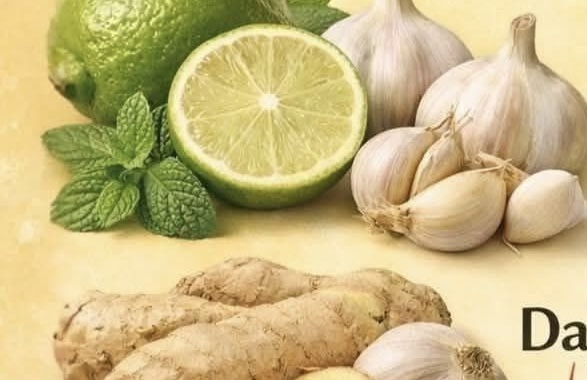
Many natural foods contain nutrients and plant compounds that may support healthy blood vessels, balanced cholesterol levels, and normal blood pressure when included as part of a balanced diet. Ingredients such as garlic, ginger, lemon, and herbs have long been used in traditional diets for their nutritional value and potential health-supporting properties.
Understanding how these natural foods contribute to heart health can help people make better dietary choices.
Understanding Blood Pressure and Artery Health
Blood pressure refers to the force of blood pushing against the walls of arteries as the heart pumps blood through the body. Healthy arteries remain flexible and clear, allowing blood to flow smoothly.
When arteries become stiff or when plaque builds up in the blood vessels, blood pressure may increase. Over time, uncontrolled high blood pressure may increase the risk of cardiovascular conditions.
Maintaining healthy arteries involves several important lifestyle factors, including:
- A balanced diet
- Regular physical activity
- Healthy weight management
- Stress management
- Adequate sleep
Nutrition plays a major role in supporting cardiovascular function.
Garlic and Heart Health
Garlic is widely studied for its potential cardiovascular benefits. It contains sulfur compounds such as allicin, which are believed to support blood vessel function.
Possible benefits associated with garlic include:
- Supporting normal blood pressure levels
- Contributing to healthy cholesterol balance
- Supporting circulation
Garlic also contains antioxidants that help protect blood vessels from oxidative stress.
Including garlic in meals regularly may support heart health as part of a healthy lifestyle.
Ginger and Circulation
Ginger is another natural ingredient known for its antioxidant and anti-inflammatory compounds. It has been used for centuries in traditional diets and herbal practices.
Ginger may help support:
- Healthy circulation
- Digestive health
- A balanced inflammatory response
The active compounds in ginger, such as gingerol, may contribute to its beneficial effects.
Ginger can be consumed fresh, added to teas, or used in cooking.
Lemon and Vitamin C
Lemons are rich in vitamin C and antioxidants that support overall health. Vitamin C contributes to the maintenance of healthy blood vessels and supports the immune system.
Potential benefits of lemon include:
- Supporting healthy blood vessel function
- Providing antioxidants
- Contributing to hydration when added to water
Lemon juice can be added to water, salads, or meals for both flavor and nutritional support.
The Role of Herbs in Wellness
Fresh herbs such as mint are commonly used in traditional diets. They contain plant compounds that provide antioxidants and refreshing flavor.
Herbs can help support a healthy diet by:
- Adding flavor without excess salt
- Providing small amounts of beneficial plant compounds
- Encouraging the consumption of fresh foods
While herbs alone cannot treat medical conditions, they can contribute to a balanced and nutritious diet.
Antioxidants and Artery Health
Many plant-based foods contain antioxidants that help protect cells from oxidative stress. Oxidative stress can contribute to damage in blood vessels over time.
Foods rich in antioxidants include:
- Fruits
- Vegetables
- Herbs
- Whole grains
- Nuts and seeds
A diet rich in these foods may help support long-term cardiovascular health.
Fiber and Cholesterol Balance
Dietary fiber plays an important role in supporting healthy cholesterol levels. Soluble fiber helps reduce the absorption of cholesterol in the digestive system.
Foods rich in fiber include:
- Oats
- Beans
- Vegetables
- Fruits
- Whole grains
Consuming adequate fiber as part of daily nutrition supports heart health and digestive function.
Healthy Lifestyle Habits for Blood Pressure
Nutrition is only one part of maintaining healthy blood pressure. Other lifestyle habits also contribute to cardiovascular wellness.
Regular Physical Activity
Exercise helps strengthen the heart and improve circulation. Activities such as walking, cycling, or swimming can help maintain healthy blood pressure levels.
Reducing Excess Salt
High sodium intake may contribute to increased blood pressure. Choosing fresh foods and limiting processed foods helps manage sodium intake.
Stress Management
Chronic stress may affect blood pressure. Relaxation techniques, meditation, and sufficient sleep help support overall health.
Hydration and Circulation
Water is essential for maintaining proper circulation and supporting cardiovascular health. Adequate hydration helps blood move efficiently through the body.
Drinking water regularly throughout the day supports overall body function and metabolic processes.
The Importance of Balanced Nutrition
No single food can completely cleanse arteries or cure cardiovascular conditions. However, a diet rich in plant-based foods, healthy fats, whole grains, and lean proteins supports heart health.
Examples of heart-friendly foods include:
- Leafy green vegetables
- Berries
- Nuts
- Olive oil
- Whole grains
Combining these foods with healthy lifestyle habits creates the strongest foundation for long-term cardiovascular wellness.
Conclusion
Natural foods such as garlic, ginger, lemon, and herbs provide valuable nutrients and plant compounds that may support heart health. Their antioxidants, vitamins, and natural compounds contribute to healthy blood vessels and balanced circulation when consumed as part of a healthy diet.
While viral claims about rapid artery cleansing are often exaggerated, consistent healthy habits including balanced nutrition, regular exercise, and proper hydration can significantly support cardiovascular health over time.