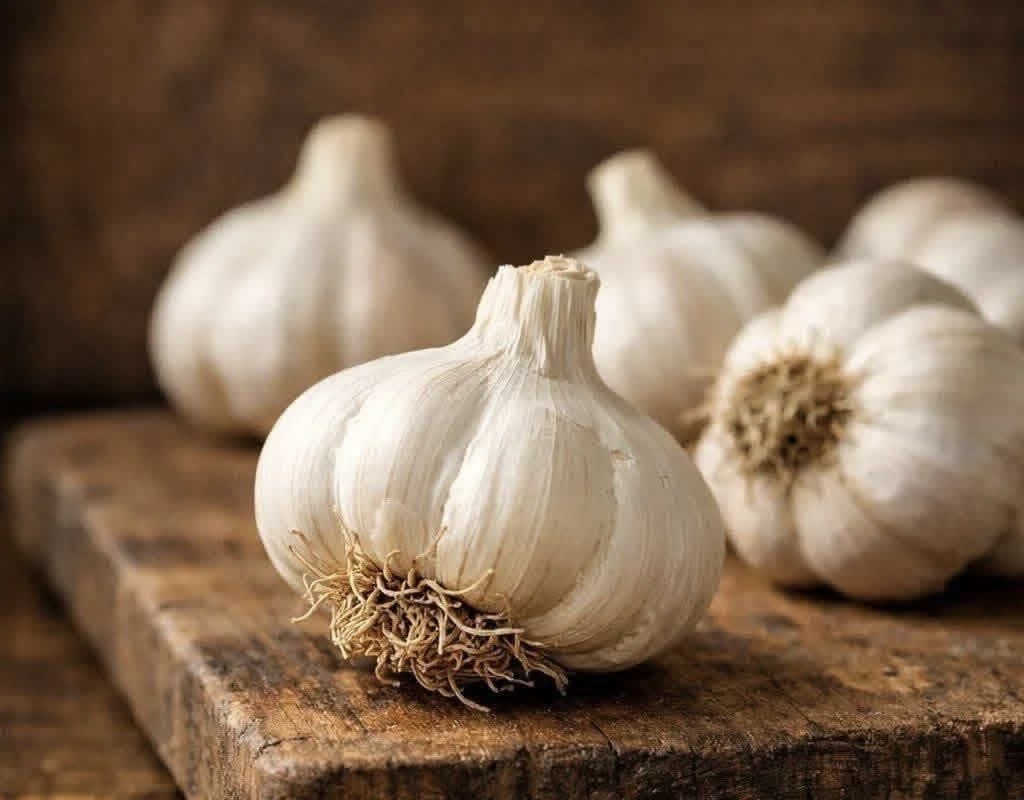
Garlic has been used for thousands of years as both a culinary ingredient and a traditional natural remedy. Many people believe that garlic can fight bacteria and infections naturally. Modern research shows that garlic contains powerful compounds that may support the immune system and overall health. While garlic is not a replacement for medical treatment, it remains one of the most studied natural foods for its potential antimicrobial and antioxidant properties.
What Is Garlic?
Garlic (Allium sativum) is a plant from the onion family. It is widely used in cooking around the world and has been part of traditional medicine in many cultures.
Garlic contains several active compounds that contribute to its health benefits, including:
- Allicin
- Sulfur compounds
- Antioxidants
- Flavonoids
- Selenium
Among these compounds, allicin is considered the most important for garlic’s antibacterial and antimicrobial properties.
How Garlic Produces Its Active Compounds
Fresh garlic does not contain allicin until the cloves are crushed or chopped. When garlic is cut, an enzyme called alliinase converts a compound called alliin into allicin.
This process is what creates garlic’s strong smell and activates many of its health-supporting properties.
For best results when cooking with garlic:
- Crush or chop the garlic.
- Let it sit for about 5–10 minutes.
- Then cook or add it to food.
This allows more beneficial compounds to develop.
Garlic and Antibacterial Properties
Many laboratory studies have shown that garlic extracts can slow the growth of certain bacteria. Researchers believe garlic works by interfering with bacterial enzymes and damaging bacterial cell structures.
Some bacteria studied in research include:
- Escherichia coli (E. coli)
- Staphylococcus aureus
- Salmonella
- Helicobacter pylori
These findings suggest that garlic contains natural compounds that may help support the body’s defense against microbes.
However, eating garlic is not the same as using concentrated extracts used in scientific experiments. Garlic should be considered a supportive food, not a medical treatment.
Garlic and Immune System Support
Garlic is widely recognized for its ability to support the immune system. It contains antioxidants that help protect the body from oxidative stress.
Antioxidants play an important role in protecting cells and supporting healthy immune function.
Some research suggests garlic may help stimulate immune cells such as:
- White blood cells
- Macrophages
- Natural killer cells
These immune cells help the body defend against harmful microorganisms.
Garlic and Heart Health
Garlic has also been studied for its potential benefits for cardiovascular health.
Supporting Healthy Blood Pressure
Some studies suggest garlic supplements may help support healthy blood pressure levels when combined with a balanced diet.
Cholesterol Balance
Garlic may help reduce LDL cholesterol levels while supporting overall heart health.
Improving Circulation
The sulfur compounds in garlic may help support healthy blood vessel function and improve circulation.
Because of these benefits, garlic is often included in heart-healthy diets such as the Mediterranean diet.
Garlic and Digestive Health
Garlic also acts as a prebiotic, meaning it helps feed beneficial bacteria in the gut.
Healthy gut bacteria support:
- Better digestion
- Immune balance
- Nutrient absorption
A healthy digestive system plays an important role in overall wellness.
However, some individuals with sensitive digestive systems may experience discomfort when consuming large amounts of garlic.
Nutritional Value of Garlic
Garlic contains several important nutrients even when consumed in small amounts.
These include:
- Vitamin C
- Vitamin B6
- Manganese
- Selenium
- Fiber
Garlic also contains plant compounds that contribute to its antioxidant effects.
Ways to Add Garlic to Your Diet
Garlic can easily be added to many everyday meals.
Cooking
Garlic is commonly used in:
- Soups
- Sauces
- Pasta dishes
- Roasted vegetables
- Meat and fish marinades
Raw Garlic
Some people consume raw garlic in small amounts mixed with honey or olive oil.
Garlic Supplements
Garlic supplements are available as:
- Garlic powder capsules
- Aged garlic extract
- Garlic oil
Always consult a healthcare professional before starting supplements.
Possible Side Effects of Garlic
Garlic is safe for most people when consumed as food, but large amounts may cause side effects such as:
- Strong breath odor
- Heartburn
- Digestive discomfort
Garlic may also interact with blood-thinning medications. People taking such medications should consult a healthcare professional before using garlic supplements.
Can Garlic Cure Infections?
Garlic contains natural compounds that show antimicrobial activity in laboratory studies. However, it should not be considered a cure for infections or a replacement for medical treatment.
Serious infections require proper medical diagnosis and treatment.
Garlic can be part of a healthy diet that supports the immune system, but it should be viewed as a nutritious food rather than a medicine.
Conclusion
Garlic is one of the most popular natural foods used for both flavor and health support. Its active compounds, especially allicin, contribute to its antioxidant and antimicrobial properties.
Regularly including garlic in meals may help support immune function, heart health, and digestive balance.
While garlic offers many potential health benefits, it is best enjoyed as part of a balanced and healthy diet.