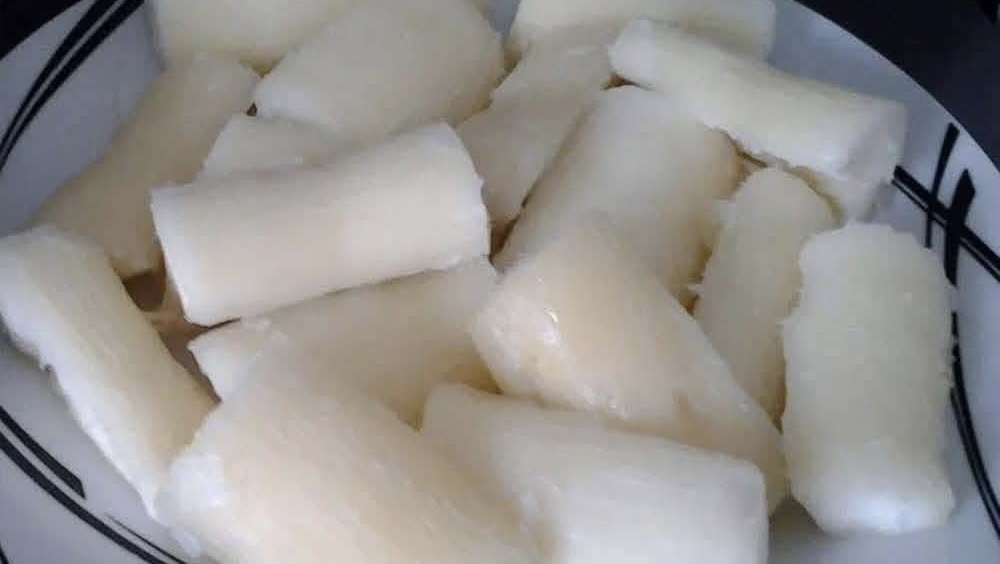
How to Safely Prepare and Cook Cassava (Yuca): A Delicious and Nutritious Root Vegetable
Cassava, also known as yuca, is a starchy root vegetable enjoyed in many parts of the world. From crispy fries to hearty stews, it’s a versatile ingredient packed with energy-supporting carbohydrates and important nutrients. However, cassava must be prepared correctly before eating, as raw cassava contains naturally occurring compounds that can be harmful if not removed.
In this guide, you’ll learn how to safely prepare and cook cassava, along with simple and delicious ways to enjoy it.
What Is Cassava (Yuca)?
Cassava is a tropical root vegetable widely grown in Africa, Latin America, and Asia. It has a thick brown skin and firm white flesh. Cassava is naturally gluten-free and is often used to make flour, tapioca, and various traditional dishes.
Nutritional Highlights
Cassava provides:
• Complex carbohydrates for energy
• Vitamin C
• Small amounts of B vitamins
• Potassium
• Fiber (when whole)
Because it is calorie-dense, it is a staple food in many regions.
Why Proper Preparation Is Important
Cassava contains naturally occurring compounds called cyanogenic glycosides. When raw or undercooked, these compounds can release small amounts of cyanide.
The good news: Proper peeling, soaking, and cooking effectively reduce these compounds to safe levels. Never eat cassava raw.
Types of Cassava
There are two main types:
• Sweet cassava – contains lower levels of cyanogenic compounds and is commonly sold in grocery stores.
• Bitter cassava – contains higher levels and requires more extensive processing (usually used commercially for flour).
Most fresh cassava sold in markets is the sweet variety, but it still must be cooked thoroughly.
How to Safely Prepare Cassava
Step 1: Peel Thoroughly
Use a sharp knife to cut off both ends. Slice the thick brown skin lengthwise and peel it away completely. The skin and the thin pinkish layer underneath must be removed.
Step 2: Rinse Well
Wash the peeled cassava under running water.
Step 3: Cut and Remove the Core
Cut into chunks. If you notice a tough, fibrous core running through the center, remove it before cooking.
Step 4: Cook Completely
Boiling is one of the safest and easiest methods.
How to Boil Cassava
- Place peeled cassava chunks into a large pot.
- Cover with plenty of water.
- Bring to a boil.
- Reduce heat and simmer for 20–30 minutes until very tender.
- Drain the water completely.
Cassava should be soft enough to pierce easily with a fork.
Delicious Ways to Cook Cassava
- Cassava Fries
After boiling, cut into strips and bake or air-fry until golden and crispy. Season with salt, garlic, or paprika. - Mashed Cassava
Mash boiled cassava with olive oil, butter, or herbs for a creamy side dish. - Cassava in Stews
Add cooked chunks to soups or stews for a hearty texture. - Fried Cassava
After boiling, pan-fry pieces until lightly crispy on the outside.
Storage Tips
• Store fresh cassava in a cool, dry place and use within a few days.
• Peeled cassava can be kept submerged in water in the refrigerator for short periods.
• Frozen cassava is a convenient and safe option, often already peeled and partially prepared.
Who Should Be Cautious?
People with thyroid conditions should avoid excessive cassava consumption because certain compounds may interfere with iodine absorption if consumed in very large amounts.
As with all foods, moderation and proper preparation are key.
Final Thoughts
Cassava (yuca) is a delicious, energy-rich root vegetable enjoyed worldwide. When properly peeled and thoroughly cooked, it is safe and nutritious. With its mild flavor and versatile texture, cassava can be a wonderful addition to your kitchen.