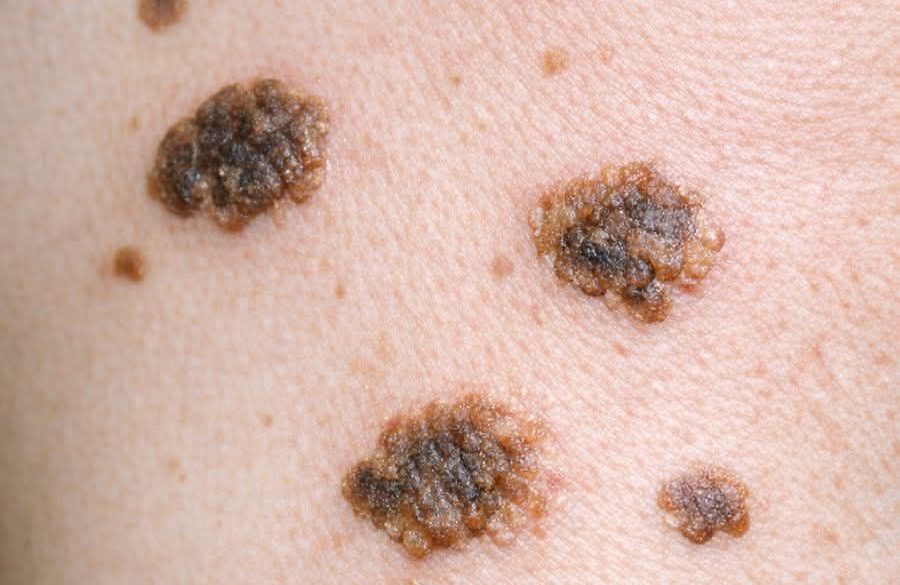
These rough brown patches suddenly appeared on my chest and back, and I can’t get checked soon. What could this be?
Noticing new rough brown patches on your chest and back can feel alarming—especially if you can’t see a doctor right away. Skin changes often raise concerns about infections, allergies, or even serious skin conditions. While only a healthcare professional can give you an accurate diagnosis, understanding the most common causes of brown skin patches may help you stay calm and take smart next steps.
In this guide, we’ll explore possible reasons for rough brown patches on the chest and back, common symptoms to watch for, when to seek urgent care, and simple home care tips you can try in the meantime.
Common Causes of Rough Brown Patches on the Chest and Back
Several skin conditions can cause brown, rough, or scaly patches. Some are harmless and temporary, while others may require prescription treatment.
- Tinea Versicolor (Fungal Skin Infection)
One of the most common causes of brown or discolored patches on the chest and back is Tinea versicolor. This mild fungal infection is caused by yeast that naturally lives on the skin but sometimes overgrows.
Symptoms may include:
- Light brown, dark brown, pink, or white patches
- Fine scaling or mild roughness
- Patches that may merge together
- Mild itching (sometimes none at all)
Tinea versicolor often becomes more noticeable after sun exposure because affected areas do not tan normally. It is usually not painful and is treatable with antifungal creams or medicated shampoos containing selenium sulfide or ketoconazole.
- Eczema (Atopic or Contact Dermatitis)
Eczema can also cause rough, dry, brownish patches, especially in people with darker skin tones. When inflammation heals, it may leave post-inflammatory hyperpigmentation, which appears as darker areas.
Signs of eczema include:
- Dry, itchy skin
- Thickened or leathery patches
- Redness that may turn brown over time
- Sensitivity to soaps, fabrics, or fragrances
Stress, weather changes, or new skincare products can trigger flare-ups.
- Post-Inflammatory Hyperpigmentation
Sometimes brown patches appear after acne, insect bites, allergic reactions, or minor skin injuries. This is known as post-inflammatory hyperpigmentation.
These patches:
- Are flat or slightly rough
- Appear darker than surrounding skin
- Fade gradually over weeks or months
They are not contagious and usually improve with gentle skin care and sun protection.
- Seborrheic Dermatitis
Seborrheic dermatitis is another condition that may cause flaky, rough patches on the chest or upper back.
Typical features:
- Greasy or scaly texture
- Yellowish or brownish flakes
- Mild itching
- Often affects oily areas of the body
It is common and manageable with medicated cleansers or creams.
- Acanthosis Nigricans
In some cases, dark, thickened patches may be related to Acanthosis nigricans. These patches are usually velvety rather than scaly and often appear on the neck, underarms, or folds of skin—but they can sometimes extend to the chest or back.
This condition is often linked to:
- Insulin resistance
- Prediabetes or type 2 diabetes
- Hormonal imbalance
- Obesity
If patches look thick and feel soft or velvety, it may be worth discussing blood sugar levels with a doctor when possible.
When to Seek Urgent Medical Attention
While most brown skin patches are harmless, you should seek medical care sooner if you notice:
- Rapid growth or spreading
- Severe pain
- Bleeding or oozing
- A patch that changes shape, color, or border
- Fever or signs of infection
If a patch looks very different from others or has irregular borders and multiple colors, it’s important not to ignore it.
What You Can Do at Home (For Now)
If you can’t get checked immediately, here are gentle steps you can take safely:
- Keep the skin clean and dry.
- Avoid harsh soaps, scrubs, or strong exfoliation.
- Wear loose, breathable cotton clothing.
- Apply a simple fragrance-free moisturizer daily.
- Use sunscreen if the area is exposed to sunlight.
If you suspect a fungal infection, over-the-counter antifungal creams may help—but avoid mixing multiple treatments at once.
Avoid picking, scratching, or applying strong home remedies like lemon juice, vinegar, or essential oils, which can worsen irritation.
How Long Should You Wait?
If the patches:
- Stay the same size
- Are not painful
- Are only mildly itchy
- Do not rapidly spread
It is usually safe to monitor them for a short period while using gentle skincare.
However, if there is no improvement after two to three weeks, or symptoms worsen, professional evaluation is important.
Final Thoughts
Rough brown patches on the chest and back are often caused by common conditions like fungal infections, eczema, or skin pigmentation changes. While it’s understandable to feel anxious—especially if you can’t see a doctor right away—most causes are treatable and not dangerous.
Focus on gentle skin care, avoid irritation, and monitor any changes carefully. When you are able to schedule a medical visit, bring clear photos showing when the patches first appeared and how they have evolved.
Skin changes can be unsettling, but in many cases, they are manageable and temporary. Staying informed is the first step toward healthy, confident skin.These rough brown patches suddenly appeared on my chest and back, and I can’t get checked soon. What could this be?
Noticing new rough brown patches on your chest and back can feel alarming—especially if you can’t see a doctor right away. Skin changes often raise concerns about infections, allergies, or even serious skin conditions. While only a healthcare professional can give you an accurate diagnosis, understanding the most common causes of brown skin patches may help you stay calm and take smart next steps.
In this guide, we’ll explore possible reasons for rough brown patches on the chest and back, common symptoms to watch for, when to seek urgent care, and simple home care tips you can try in the meantime.
Common Causes of Rough Brown Patches on the Chest and Back
Several skin conditions can cause brown, rough, or scaly patches. Some are harmless and temporary, while others may require prescription treatment.
- Tinea Versicolor (Fungal Skin Infection)
One of the most common causes of brown or discolored patches on the chest and back is Tinea versicolor. This mild fungal infection is caused by yeast that naturally lives on the skin but sometimes overgrows.
Symptoms may include:
- Light brown, dark brown, pink, or white patches
- Fine scaling or mild roughness
- Patches that may merge together
- Mild itching (sometimes none at all)
Tinea versicolor often becomes more noticeable after sun exposure because affected areas do not tan normally. It is usually not painful and is treatable with antifungal creams or medicated shampoos containing selenium sulfide or ketoconazole.
- Eczema (Atopic or Contact Dermatitis)
Eczema can also cause rough, dry, brownish patches, especially in people with darker skin tones. When inflammation heals, it may leave post-inflammatory hyperpigmentation, which appears as darker areas.
Signs of eczema include:
- Dry, itchy skin
- Thickened or leathery patches
- Redness that may turn brown over time
- Sensitivity to soaps, fabrics, or fragrances
Stress, weather changes, or new skincare products can trigger flare-ups.
- Post-Inflammatory Hyperpigmentation
Sometimes brown patches appear after acne, insect bites, allergic reactions, or minor skin injuries. This is known as post-inflammatory hyperpigmentation.
These patches:
- Are flat or slightly rough
- Appear darker than surrounding skin
- Fade gradually over weeks or months
They are not contagious and usually improve with gentle skin care and sun protection.
- Seborrheic Dermatitis
Seborrheic dermatitis is another condition that may cause flaky, rough patches on the chest or upper back.
Typical features:
- Greasy or scaly texture
- Yellowish or brownish flakes
- Mild itching
- Often affects oily areas of the body
It is common and manageable with medicated cleansers or creams.
- Acanthosis Nigricans
In some cases, dark, thickened patches may be related to Acanthosis nigricans. These patches are usually velvety rather than scaly and often appear on the neck, underarms, or folds of skin—but they can sometimes extend to the chest or back.
This condition is often linked to:
- Insulin resistance
- Prediabetes or type 2 diabetes
- Hormonal imbalance
- Obesity
If patches look thick and feel soft or velvety, it may be worth discussing blood sugar levels with a doctor when possible.
When to Seek Urgent Medical Attention
While most brown skin patches are harmless, you should seek medical care sooner if you notice:
- Rapid growth or spreading
- Severe pain
- Bleeding or oozing
- A patch that changes shape, color, or border
- Fever or signs of infection
If a patch looks very different from others or has irregular borders and multiple colors, it’s important not to ignore it.
What You Can Do at Home (For Now)
If you can’t get checked immediately, here are gentle steps you can take safely:
- Keep the skin clean and dry.
- Avoid harsh soaps, scrubs, or strong exfoliation.
- Wear loose, breathable cotton clothing.
- Apply a simple fragrance-free moisturizer daily.
- Use sunscreen if the area is exposed to sunlight.
If you suspect a fungal infection, over-the-counter antifungal creams may help—but avoid mixing multiple treatments at once.
Avoid picking, scratching, or applying strong home remedies like lemon juice, vinegar, or essential oils, which can worsen irritation.
How Long Should You Wait?
If the patches:
- Stay the same size
- Are not painful
- Are only mildly itchy
- Do not rapidly spread
It is usually safe to monitor them for a short period while using gentle skincare.
However, if there is no improvement after two to three weeks, or symptoms worsen, professional evaluation is important.
Final Thoughts
Rough brown patches on the chest and back are often caused by common conditions like fungal infections, eczema, or skin pigmentation changes. While it’s understandable to feel anxious—especially if you can’t see a doctor right away—most causes are treatable and not dangerous.