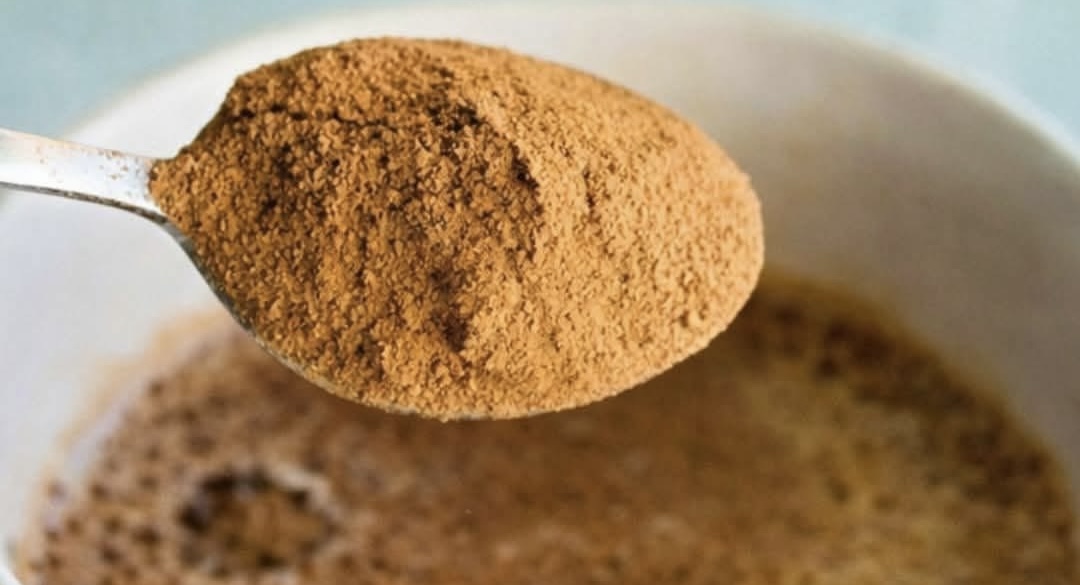
Many natural health trends highlight simple kitchen ingredients that may support better sleep and improved digestion. One popular claim is that a single natural ingredient can help you sleep eight hours straight while also reducing bloating. While no food guarantees perfect sleep or instant digestive relief, certain natural spices and herbs may support relaxation and gut health when combined with healthy habits.
In this article, we explore how natural ingredients such as cinnamon, herbal powders, and calming spices may help support sleep quality and digestive comfort. We also explain what they can and cannot do, and how to use them safely.
Why Sleep and Digestion Are Connected
Sleep quality and digestion are closely linked. Poor digestion can lead to bloating, discomfort, and restlessness at night. Likewise, lack of sleep can affect gut health, hormones, and metabolism.
Supporting both digestion and sleep may involve:
- Balanced nutrition
- Stress management
- Limiting heavy meals before bedtime
- Natural calming ingredients
Certain spices and herbal blends are often used in nighttime drinks to promote relaxation and gut comfort.
Popular Natural Ingredients for Sleep and Bloating
Cinnamon
Cinnamon is rich in antioxidants and may support stable blood sugar levels. Balanced blood sugar helps prevent nighttime awakenings caused by glucose fluctuations.
Cinnamon may also:
- Support digestion
- Reduce mild bloating
- Promote metabolic balance
Ginger
Ginger is widely known for its digestive benefits. It may help reduce gas, bloating, and mild stomach discomfort.
Turmeric
Turmeric contains curcumin, which supports a healthy inflammatory response and overall wellness.
Chamomile
Chamomile tea is commonly used as a natural sleep aid. It may promote relaxation and help prepare the body for rest.
Magnesium-Rich Foods
Magnesium supports muscle relaxation and nervous system balance, which may contribute to better sleep.
Can One Ingredient Guarantee 8 Hours of Sleep?
No single ingredient can guarantee eight hours of uninterrupted sleep. Sleep quality depends on many factors:
- Stress levels
- Sleep environment
- Caffeine intake
- Screen exposure
- Hormonal balance
- Overall health
Natural ingredients may support relaxation but should be part of a broader healthy bedtime routine.
Natural Bedtime Drink Recipe
Here is a simple calming drink often used to support sleep and digestion.
Ingredients
- 1 cup warm milk (or plant-based milk)
- ½ teaspoon cinnamon
- ¼ teaspoon ground ginger
- Optional: pinch of turmeric
- 1 teaspoon honey (optional)
Instructions
- Warm the milk gently (do not boil).
- Add cinnamon, ginger, and turmeric.
- Stir well until blended.
- Add honey if desired.
- Drink 30–60 minutes before bedtime.
This drink may promote relaxation and support digestive comfort.
How These Ingredients May Support Better Sleep
Supports Relaxation
Warm beverages can signal the body that it is time to unwind. Spices like cinnamon and ginger do not directly induce sleep but may support comfort and relaxation.
Reduces Nighttime Bloating
Digestive discomfort can interrupt sleep. Ginger and cinnamon may help reduce mild bloating before bedtime.
Helps Stabilize Blood Sugar
Cinnamon may support balanced blood sugar levels, which can prevent nighttime energy dips or spikes.
Lifestyle Tips for 8 Hours of Sleep
If your goal is deeper, uninterrupted sleep, focus on evidence-based habits:
Create a Consistent Sleep Schedule
Go to bed and wake up at the same time each day.
Reduce Screen Time Before Bed
Blue light from screens can interfere with melatonin production.
Avoid Heavy Meals Late at Night
Large meals can cause bloating and indigestion.
Limit Caffeine Intake
Avoid caffeine at least 6 hours before bedtime.
Keep the Bedroom Cool and Dark
A comfortable environment supports natural sleep cycles.
How to Reduce Bloating Naturally
To minimize bloating:
- Eat slowly
- Chew food thoroughly
- Limit carbonated drinks
- Reduce excess salt intake
- Increase fiber gradually
- Stay hydrated
Herbal drinks may support digestion, but long-term relief requires dietary awareness.
Safety and Precautions
While spices are generally safe in moderate amounts, consider the following:
- Excess cinnamon (especially cassia cinnamon) may affect liver health if consumed in large quantities.
- People with diabetes should monitor blood sugar levels when using cinnamon regularly.
- Pregnant women should consult a healthcare professional before using herbal remedies.
- Individuals with digestive conditions should seek medical advice if symptoms persist.
Moderation is essential.
Common Myths About Natural Sleep Remedies
Myth: A Single Spice Can Replace Sleep Hygiene
Healthy sleep requires consistent habits, not just one ingredient.
Myth: Natural Means Risk-Free
Even natural ingredients can cause side effects if overused.
Myth: Instant Results Are Guaranteed
Improved sleep often takes time and routine adjustments.
Frequently Asked Questions
How long does it take to see results?
Some people notice relaxation benefits immediately, but consistent sleep improvements require healthy habits.
Can I drink this every night?
Yes, in moderation. Avoid excessive spice consumption.
Does cinnamon make you sleepy?
Cinnamon does not directly induce sleep but may support metabolic balance.
What is the best natural ingredient for sleep?
Chamomile, magnesium-rich foods, and calming bedtime routines are among the most studied options.
Realistic Expectations
Natural bedtime drinks may:
- Promote relaxation
- Support digestion
- Reduce mild bloating
- Complement a sleep routine
They cannot:
- Guarantee eight hours of sleep
- Cure insomnia
- Replace medical treatment
Sustainable sleep improvement comes from consistency and healthy lifestyle choices.
Final Thoughts
Natural ingredients like cinnamon, ginger, and calming herbal blends may support better sleep and digestive comfort when used responsibly. While they cannot guarantee perfect rest, they can complement a healthy nighttime routine.
If you experience chronic insomnia or persistent bloating, consult a healthcare professional for proper evaluation.
True wellness is built through balanced nutrition, stress management, hydration, and consistent sleep habits — not quick fixes.