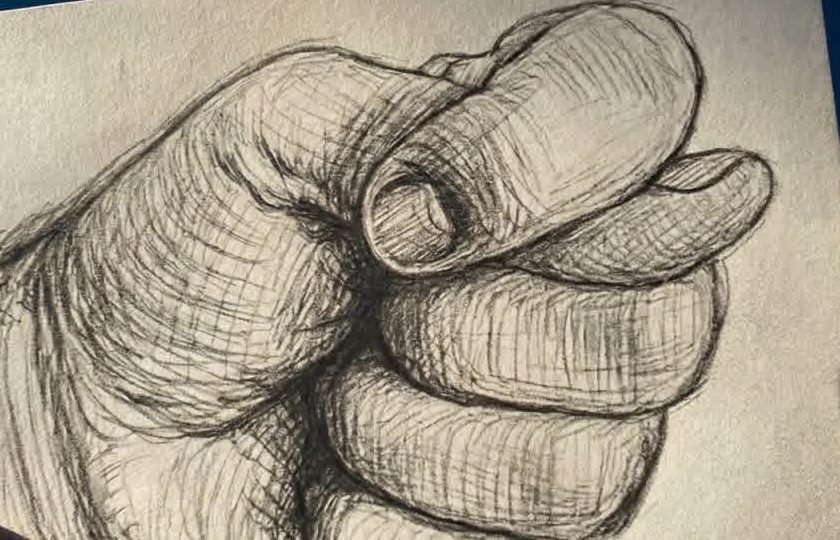
The Hidden History Behind This Simple Hand Gesture
Simple hand gestures are part of everyday communication. A quick sign with the fingers can express approval, peace, respect, warning, or even rebellion. But behind some of the most common gestures lies a fascinating and sometimes surprising history shaped by culture, politics, and social change.
Let’s explore the deeper stories behind a few widely recognized hand gestures and what they have meant across time.
The “Peace” Sign
✌️ Two fingers raised in a V shape is commonly known as the peace sign today. But its modern popularity began during World War II.
British Prime Minister Winston Churchill used the V sign to symbolize “Victory” during the war. Later, in the 1960s, anti-war movements—especially during protests against the Vietnam War—adopted it as a symbol of peace rather than victory.
The meaning shifted from military triumph to a broader message of nonviolence and unity.
The Thumbs-Up Gesture
👍 Today, a thumbs-up usually signals approval or agreement. However, its origins are debated.
Many people believe it comes from ancient Rome, where crowds supposedly used thumb signals during gladiator contests. While historical evidence is mixed, the gesture evolved over centuries into a positive sign in Western cultures.
Interestingly, in some parts of the world, the thumbs-up can carry offensive meanings. Context and culture matter greatly when interpreting gestures.
The Raised Fist
✊ The raised fist has symbolized solidarity and resistance in various social and political movements. It has been used in labor movements, civil rights campaigns, and anti-colonial struggles.
For example, during the 1968 Olympic Games in Mexico City, athletes Tommie Smith and John Carlos raised their fists during the medal ceremony as a powerful statement against racial injustice.
Since then, the raised fist has remained a global symbol of unity and protest.
The Handshake
The handshake is one of the oldest gestures of trust. It dates back to ancient times, when extending an open hand showed that you were not holding a weapon.
Over time, the handshake became a formal greeting used in diplomacy, business, and social interactions. It symbolizes agreement, respect, and mutual recognition.
The “OK” Sign
👌 The circle formed by touching the thumb and index finger is commonly understood to mean “OK” or “all good.” Its popular use in the United States dates back to the 19th century as humorous shorthand for “oll korrect,” a playful misspelling of “all correct.”
However, like many gestures, its meaning can change across cultures and contexts. In some countries, it can carry different or even inappropriate interpretations.
Why Gestures Change Over Time
Hand gestures are powerful because they communicate instantly and across language barriers. But their meanings are shaped by history, politics, and culture.
A gesture that symbolizes peace in one era may represent victory in another. A sign of approval in one country may be offensive elsewhere. Globalization and social media have further accelerated how quickly meanings evolve.
The Psychology Behind Hand Gestures
Humans naturally use body language to reinforce communication. Gestures help:
Emphasize emotion
Strengthen verbal messages
Signal group identity
Express solidarity
Build trust
Because gestures are visual and immediate, they often become powerful symbols during major historical moments.
Final Thoughts
What seems like a simple hand gesture can carry centuries of meaning. From wartime symbolism to civil rights movements and everyday greetings, these small physical signs often reflect larger social stories.
The next time you see or use a common hand gesture, remember—it may represent far more than you realize. History has a way of living quietly in the smallest details of human expression.