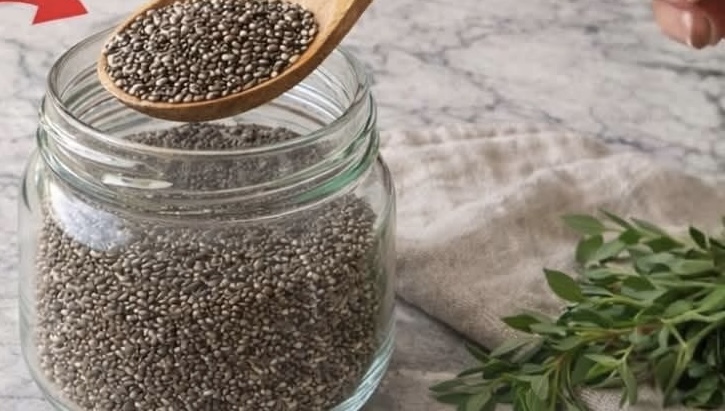
Chia seeds are widely known as a superfood rich in fiber, omega-3 fatty acids, antioxidants, and essential minerals. Recently, some claims suggest that taking one tablespoon of chia seeds daily can “heal your kidneys in 30 days.” While chia seeds can support overall health, it is important to understand what they can realistically do for kidney function.
In this detailed guide, we explore chia seeds benefits, their role in kidney health, proper usage, and realistic expectations based on science.
Understanding Kidney Health
The kidneys play a vital role in the body. They:
- Filter waste from the blood
- Balance fluids
- Regulate electrolytes
- Support blood pressure control
- Produce important hormones
Healthy kidneys are essential for overall wellness. However, kidney disease is a serious medical condition that requires professional treatment. No single food can cure kidney disease.
What Are Chia Seeds?
Chia seeds come from the plant Salvia hispanica and are packed with nutrients. Just one tablespoon contains:
- Fiber
- Omega-3 fatty acids
- Plant-based protein
- Magnesium
- Calcium
- Antioxidants
Because of their nutritional profile, chia seeds are often included in healthy diet plans.
Nutritional Benefits of Chia Seeds
High in Fiber
Chia seeds are extremely rich in dietary fiber. Fiber supports digestive health and may help regulate blood sugar levels, which is important for individuals managing diabetes — a major risk factor for kidney disease.
Rich in Omega-3 Fatty Acids
Omega-3 fatty acids help support heart health and may assist in maintaining a healthy inflammatory response.
Antioxidant Properties
Chia seeds contain antioxidants that help protect cells from oxidative stress. Oxidative stress can affect many organs, including the kidneys.
Supports Blood Sugar Control
Stable blood sugar levels are crucial for protecting kidney function, especially in people with diabetes.
Can Chia Seeds Heal Kidneys in 30 Days?
There is no scientific evidence that chia seeds can heal damaged kidneys in 30 days. Chronic kidney disease (CKD) and other kidney disorders require medical management, which may include:
- Medication
- Dietary adjustments
- Blood pressure control
- Professional monitoring
Chia seeds may support overall health, but they cannot reverse kidney damage.
How Chia Seeds May Support Kidney Wellness
While they do not cure kidney disease, chia seeds may support kidney health indirectly by:
Supporting Heart Health
Heart health and kidney health are closely connected. Omega-3 fatty acids in chia seeds may help support cardiovascular function.
Helping Manage Weight
Maintaining a healthy weight reduces strain on the kidneys. The fiber in chia seeds promotes satiety and supports weight management.
Supporting Healthy Blood Pressure
Chia seeds may help maintain blood pressure levels already within the normal range, which is important for kidney protection.
Promoting Balanced Nutrition
Including nutrient-dense foods like chia seeds can improve overall diet quality, supporting organ health.
How to Use Chia Seeds Safely
Recommended Intake
One tablespoon daily is generally considered safe for most healthy adults.
How to Prepare
Chia seeds absorb liquid and expand. It is best to soak them before consumption.
Simple Chia Drink Recipe
Ingredients:
- 1 tablespoon chia seeds
- 1 cup water
- Optional: lemon juice
Instructions:
- Add chia seeds to water.
- Let soak for 20–30 minutes.
- Stir and drink.
Who Should Be Careful?
People with existing kidney disease should consult a healthcare provider before increasing chia seed intake. Chia seeds contain minerals like phosphorus and potassium, which may need to be limited in advanced kidney disease.
Also, individuals on blood pressure medication or blood thinners should seek medical advice before making significant dietary changes.
Other Ways to Support Kidney Health
If your goal is to improve kidney wellness, focus on:
Stay Hydrated
Adequate water intake supports proper kidney filtration.
Control Blood Pressure
High blood pressure is a leading cause of kidney damage.
Manage Blood Sugar
Proper diabetes management protects kidney function.
Reduce Excess Salt Intake
High sodium consumption can strain the kidneys.
Exercise Regularly
Physical activity supports overall metabolic health.
Avoid Excessive Processed Foods
Processed foods often contain high sodium and additives.
Common Myths About Natural Kidney Cleansing
Myth: A Single Food Can Detox Kidneys
The kidneys naturally filter waste from the body. No specific food or seed can “detox” them instantly.
Myth: You Can Reverse Kidney Damage Naturally
Once kidney damage occurs, medical supervision is required. Lifestyle changes may slow progression but do not replace treatment.
Myth: More Is Better
Excessive chia seeds can cause digestive discomfort. Moderation is key.
Frequently Asked Questions
Is one tablespoon of chia seeds daily safe?
For most healthy adults, yes. Always consult a healthcare professional if you have medical conditions.
Do chia seeds cleanse the kidneys?
They support overall nutrition but do not directly cleanse or repair kidneys.
Can chia seeds reduce kidney stones?
There is limited evidence on this topic. Hydration is more important for preventing kidney stones.
Are chia seeds good for people with kidney disease?
It depends on the stage and individual health status. Medical advice is essential.
Realistic Expectations
Chia seeds are a nutritious superfood that can support:
- Heart health
- Blood sugar control
- Digestive wellness
- Weight management
However, they cannot:
- Cure kidney disease
- Replace medication
- Repair damaged kidney tissue
Health improvements occur gradually through consistent healthy habits.
Final Thoughts
Chia seeds are a powerful addition to a balanced diet thanks to their fiber, omega-3 fatty acids, and antioxidants. While they may support overall wellness and help protect kidney health indirectly, they do not heal kidneys in 30 days.
For kidney concerns, always consult a qualified healthcare professional. Sustainable health comes from proper medical care, balanced nutrition, hydration, and lifestyle management.
Adding one tablespoon of chia seeds daily may support your wellness journey — but true kidney health requires a comprehensive approach.