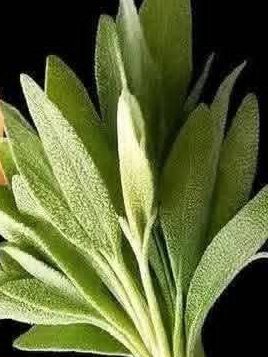
A bright smile and healthy teeth are important for confidence and overall oral health. While professional dental cleanings remain the most effective way to remove hardened tartar, many people are exploring natural remedies to support cleaner, whiter teeth at home. One traditional herb that has been used for oral care for centuries is sage (Salvia officinalis).
But can sage leaves really help remove tartar and whiten teeth naturally? Let’s explore the benefits, how it works, and how to use it safely.
Understanding Tartar and Tooth Discoloration
Before discussing remedies, it’s important to understand what tartar is.
• Plaque is a soft, sticky film of bacteria that forms on teeth daily.
• If plaque is not removed through brushing and flossing, it hardens into tartar (calculus).
• Tartar cannot be fully removed with regular brushing alone — it usually requires professional dental cleaning.
Tooth discoloration, on the other hand, may be caused by:
• Coffee and tea
• Smoking
• Poor oral hygiene
• Aging
• Certain medications
Natural remedies may help reduce surface stains and support oral hygiene, but they cannot replace professional dental care.
Why Sage Leaves Are Used for Oral Health
Sage (Salvia officinalis) has long been valued in traditional herbal medicine for its antimicrobial and anti-inflammatory properties. The leaves contain compounds such as:
• Essential oils
• Flavonoids
• Rosmarinic acid
• Tannins
These natural compounds may help:
• Reduce bacteria in the mouth
• Support gum health
• Freshen breath
• Reduce mild inflammation
Because bacteria play a key role in plaque formation, sage may support a cleaner oral environment.
Can Sage Remove Tartar?
It’s important to be realistic: hardened tartar cannot be fully removed with herbs alone. Once plaque mineralizes into tartar, only dental tools can safely remove it.
However, sage leaves may help:
• Reduce plaque buildup when used regularly
• Support healthy gums
• Limit bacteria growth
• Improve overall oral hygiene
By helping control plaque formation, sage may reduce the chances of tartar accumulation over time.
Can Sage Help Whiten Teeth?
Sage leaves have mild abrasive properties when dried and powdered. This may help remove surface stains from teeth.
Possible whitening support includes:
• Reducing surface discoloration
• Brightening enamel appearance
• Freshening breath
However, it does not change the natural color of enamel or provide dramatic whitening results like professional treatments.
How to Use Sage Leaves for Oral Care
- Sage Leaf Powder Method
• Dry fresh sage leaves completely.
• Grind them into a fine powder.
• Dip a damp toothbrush lightly into the powder.
• Gently brush teeth for 1–2 minutes.
• Rinse thoroughly.
Use no more than 1–2 times per week to avoid enamel abrasion.
- Sage Mouth Rinse
• Boil 1 cup of water.
• Add 1 tablespoon dried sage leaves.
• Steep for 10 minutes.
• Strain and let cool.
• Use as a mouth rinse after brushing.
This may help reduce bacteria and freshen breath naturally.
- Fresh Leaf Rub (Traditional Method)
Some traditional practices involve gently rubbing a clean fresh sage leaf directly on the teeth. This may help polish the surface slightly and freshen breath.
Additional Benefits of Sage for Oral Health
• May soothe mild gum irritation
• Supports balanced oral bacteria
• Natural breath freshener
• Provides antioxidant protection
Healthy gums are essential for preventing gum disease, which is often linked to tartar buildup.
Safety Tips and Precautions
Although sage is natural, it should be used responsibly.
• Do not overuse abrasive powders.
• Avoid vigorous brushing that may damage enamel.
• If you have sensitive teeth or gum disease, consult a dentist first.
• Sage essential oil should not be applied directly to teeth without proper dilution.
If you notice bleeding gums, severe pain, or heavy tartar buildup, schedule a professional dental cleaning.
The Importance of Professional Dental Care
Natural remedies can support oral hygiene, but they do not replace:
• Regular brushing twice daily
• Daily flossing
• Routine dental checkups
• Professional tartar removal
Dentists use specialized tools to remove hardened calculus safely without damaging enamel.
Best Routine for Naturally Cleaner Teeth
For optimal results, combine sage with:
• Fluoride toothpaste
• Soft-bristle toothbrush
• Dental floss
• Healthy diet low in sugary drinks
• Drinking water after meals
Natural remedies work best when part of a complete oral care routine.
What to Expect
With consistent use, you may notice:
• Fresher breath
• Slightly brighter teeth
• Reduced plaque buildup
• Healthier-looking gums
However, dramatic whitening or instant tartar removal should not be expected from herbal remedies alone.
Final Thoughts
Sage leaves (Salvia officinalis) offer natural antimicrobial and mild polishing properties that may help support oral hygiene and gently brighten teeth over time. While they cannot fully remove hardened tartar, they may help reduce plaque buildup and promote healthier gums.
For long-term oral health, combine natural remedies with regular dental care and professional cleanings. A balanced approach ensures both safety and effectiveness.