Who Should Avoid Eating Cabbage?
Cabbage is one of the most popular and affordable vegetables in the world. Known for its rich nutrient content and versatility in cooking, cabbage is widely used in salads, soups, and traditional dishes. It is often praised for its health benefits, including improving digestion, supporting heart health, and boosting immunity.
However, like many healthy foods, cabbage is not suitable for everyone. Certain individuals may need to limit or avoid it due to specific health conditions.
In this article, we will explore the benefits of cabbage, its nutritional value, and the types of people who should be cautious when consuming it.
What Is Cabbage?
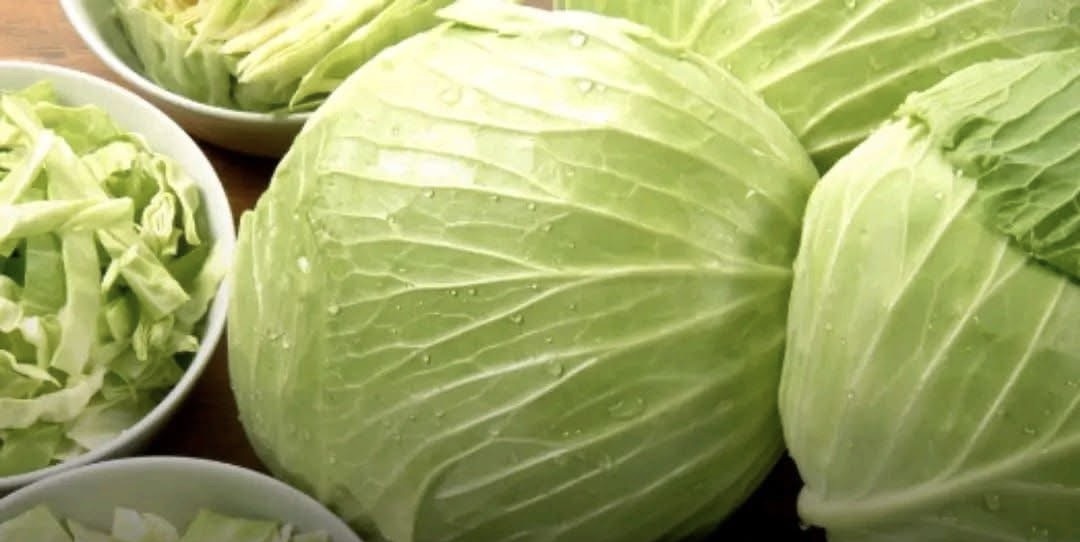
Cabbage is a leafy green, red, or white vegetable that belongs to the Brassica family, which also includes broccoli, cauliflower, and kale.
It is widely consumed around the world and can be eaten:
- Raw (in salads and coleslaw)
- Cooked (in soups and stir-fries)
- Fermented (as sauerkraut or kimchi)
Its mild flavor and crunchy texture make it a favorite ingredient in many cuisines.
Nutritional Value of Cabbage
Cabbage is low in calories but packed with essential nutrients, including:
- Vitamin C (boosts immunity)
- Vitamin K (supports blood clotting and bone health)
- Fiber (aids digestion)
- Antioxidants (protect cells from damage)
- Folate (important for cell growth)
Because of its high water content, cabbage is also very hydrating.
Health Benefits of Cabbage
1. Supports Digestive Health
Cabbage is rich in fiber, which helps regulate bowel movements and maintain a healthy digestive system.
2. Boosts Immune System
Vitamin C and antioxidants help strengthen the body’s defenses against infections.
3. Supports Heart Health
Cabbage contains compounds that may help reduce inflammation and support healthy cholesterol levels.
4. Helps with Weight Management
Low in calories and high in fiber, cabbage is ideal for people looking to maintain or lose weight.
5. Promotes Healthy Skin
Antioxidants in cabbage help protect the skin from damage and support a healthy glow.
Who Should Avoid Eating Cabbage?
While cabbage is healthy for most people, certain groups should be cautious.
1. People with Thyroid Issues
Cabbage contains compounds called goitrogens, which may interfere with thyroid function when consumed in large amounts, especially raw.
Tip: Cooking cabbage can reduce these compounds.
2. Individuals with Digestive Sensitivity
Some people may experience bloating, gas, or discomfort after eating cabbage due to its fiber and sulfur compounds.
Tip: Start with small portions and cook it to make it easier to digest.
3. People Taking Blood-Thinning Medication
Cabbage is high in vitamin K, which plays a role in blood clotting. This can interfere with medications like blood thinners.
Tip: Consult a healthcare professional before increasing cabbage intake.
4. Individuals with Irritable Bowel Syndrome (IBS)
Cabbage may trigger symptoms in people with IBS due to its fermentable carbohydrates.
Tip: Monitor your body’s response and adjust intake accordingly.
Is Cabbage Safe for Daily Consumption?
Yes, cabbage is generally safe for daily consumption when eaten in moderate amounts. It can be part of a balanced diet and provide many health benefits.
However, variety is important. Relying too heavily on one food may lead to imbalances.
Best Ways to Eat Cabbage
Raw Cabbage
- In salads or coleslaw
- Retains maximum nutrients
Cooked Cabbage
- Easier to digest
- Reduces certain compounds that may cause discomfort
Fermented Cabbage
- Rich in probiotics
- Supports gut health
Tips for Maximum Benefits
- Wash cabbage thoroughly before use
- Combine with other vegetables for balanced nutrition
- Avoid overcooking to preserve nutrients
- Eat in moderation
Common Myths About Cabbage
Myth 1: Cabbage Is Harmful
Cabbage is safe and healthy for most people when consumed properly.
Myth 2: Raw Cabbage Is Always Better
While raw cabbage retains nutrients, cooked cabbage may be easier to digest for some individuals.
Myth 3: It Causes Weight Gain
Cabbage is low in calories and supports weight management.
Why Cabbage Is Still a Superfood
Despite some limitations, cabbage remains a powerful addition to a healthy diet because it is:
- Nutrient-dense
- Affordable
- Versatile
- Widely available
Combining Cabbage with a Healthy Lifestyle
To get the best results from cabbage, combine it with:
- A balanced diet
- Regular physical activity
- Adequate hydration
- Proper sleep
These factors contribute to overall well-being.
Final Thoughts
Cabbage is a nutritious and versatile vegetable that offers many health benefits, from improving digestion to supporting heart health. However, it may not be suitable for everyone, especially those with thyroid issues, digestive sensitivities, or specific medical conditions.
Understanding your body’s needs and consuming cabbage in moderation is key to enjoying its benefits safely.
If you are unsure whether cabbage is right for you, it’s always best to consult a healthcare professional. With the right approach, cabbage can be a valuable part of a healthy and balanced diet.