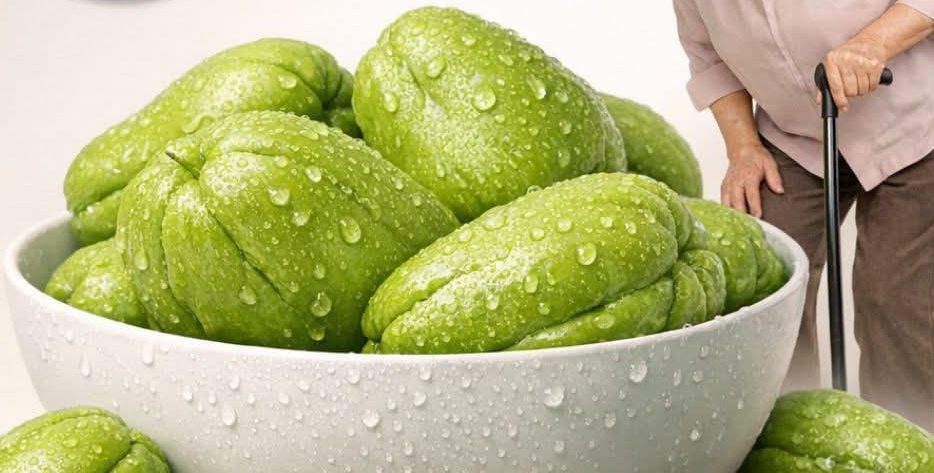
Chayote juice is gaining popularity as a natural health drink packed with hydration, vitamins, and plant-based nutrients. Known scientifically as Sechium edule, chayote is a light green, pear-shaped vegetable commonly used in Latin American, Caribbean, and Asian cuisine. While often cooked in savory dishes, blending it into a fresh juice offers a refreshing and nutrient-rich way to support overall wellness.
If you are looking for a low-calorie detox drink, a natural hydration boost, or a simple way to increase your vegetable intake, chayote juice may be a great addition to your healthy lifestyle.
What Is Chayote?
Chayote is a member of the gourd family, similar to cucumbers and squash. It has a mild, slightly sweet taste and a high water content, making it perfect for juicing. The flesh is crisp and tender, and both the fruit and its leaves are used in traditional cooking and natural remedies.
Because of its subtle flavor, chayote blends well with lemon, apple, cucumber, celery, mint, and ginger, making it a versatile ingredient in homemade green juices.
Nutritional Value of Chayote Juice
Chayote juice is low in calories and rich in essential nutrients, including:
Vitamin C
Vitamin B6
Folate
Potassium
Magnesium
Dietary fiber
Antioxidants
Its high water content makes it a naturally hydrating beverage, ideal for warm climates or post-workout recovery.
Top Health Benefits of Chayote Juice
- Supports Healthy Blood Pressure
Chayote is naturally rich in potassium, a mineral that plays a key role in regulating blood pressure. Potassium helps balance sodium levels in the body, supporting heart health and healthy circulation.
Regular consumption of potassium-rich foods like chayote juice may contribute to cardiovascular wellness when combined with a balanced diet and active lifestyle.
- Promotes Digestive Health
Chayote contains fiber and water, both essential for healthy digestion. Drinking chayote juice can help:
Support regular bowel movements
Reduce occasional bloating
Promote gut balance
Fiber also feeds beneficial gut bacteria, which play an important role in immune function and nutrient absorption.
- Rich in Antioxidants
Chayote provides antioxidants such as vitamin C and flavonoids that help combat oxidative stress. Oxidative stress occurs when free radicals damage cells, contributing to aging and chronic inflammation.
Antioxidant-rich beverages like fresh chayote juice may help support:
Immune system function
Skin health
Cellular protection
Overall vitality
- Supports Weight Management
If you are looking for a low-calorie drink to support weight management, chayote juice is a smart option. It is filling due to its water and fiber content but contains very few calories.
Replacing sugary drinks with fresh vegetable juices can help reduce excess calorie intake and support healthy metabolism.
- May Help Regulate Blood Sugar Levels
Chayote has a low glycemic index, meaning it does not cause sharp spikes in blood sugar. Some research suggests that compounds found in chayote may help support healthy glucose metabolism.
For individuals focusing on balanced blood sugar levels, incorporating non-starchy vegetables like chayote into meals and juices may be beneficial.
- Boosts Hydration
With its high water content, chayote juice acts as a natural hydration booster. Staying hydrated supports:
Energy levels
Brain function
Skin elasticity
Kidney health
This makes chayote juice a refreshing option during hot weather or after exercise.
- Supports Skin Health
Vitamin C plays a crucial role in collagen production, which supports skin firmness and elasticity. The antioxidants in chayote juice may help protect skin cells from environmental damage and promote a healthy glow.
How to Make Fresh Chayote Juice at Home
Ingredients:
1 fresh chayote (washed and peeled if desired)
1 cup water or coconut water
Juice of half a lemon
Optional: green apple, cucumber, ginger, or mint
Instructions:
- Cut the chayote in half and remove the seed.
- Chop into small pieces.
- Add to a blender with water and optional ingredients.
- Blend until smooth.
- Strain if desired, or drink as a smoothie for extra fiber.
- Serve chilled for maximum refreshment.
For added detox support, you can combine chayote with celery and lemon. For a sweeter taste, mix with apple or pineapple.
Traditional and Modern Uses of Chayote
In traditional herbal practices, chayote has been used to support kidney function and cardiovascular health. Its mild diuretic properties may help the body eliminate excess fluids, though more scientific research is needed to confirm these effects.
Modern nutrition trends embrace chayote as part of:
Green detox juice recipes
Low-calorie diet plans
Plant-based nutrition programs
Natural heart health routines
Safety and Considerations
Chayote is generally considered safe for most people when consumed as food. However:
Always wash thoroughly before juicing.
Start with small amounts if you have a sensitive stomach.
Consult a healthcare provider if you have kidney conditions or are on potassium-restricted diets.
Fresh juice should be consumed immediately or stored in the refrigerator for no more than 24 hours.
Is Chayote Juice Right for You?
If you enjoy mild, refreshing vegetable drinks and want to increase your intake of plant-based nutrients, chayote juice is an excellent option. It is affordable, easy to prepare, and compatible with many healthy diet plans.
Whether you are focused on heart health, digestive wellness, hydration, or natural weight management, this simple green juice can be a smart addition to your daily routine.
Final Thoughts
Chayote juice is more than just a refreshing drink. Packed with vitamins, minerals, antioxidants, and hydration benefits, it offers natural support for digestion, heart health, skin vitality, and overall wellness.
Adding fresh chayote juice to your diet may help you stay hydrated, energized, and nourished in a simple, natural way. As with any health habit, consistency and balance are key.
If you are exploring healthy beverage options that align with a clean lifestyle and whole-food nutrition, chayote juice is definitely worth trying.