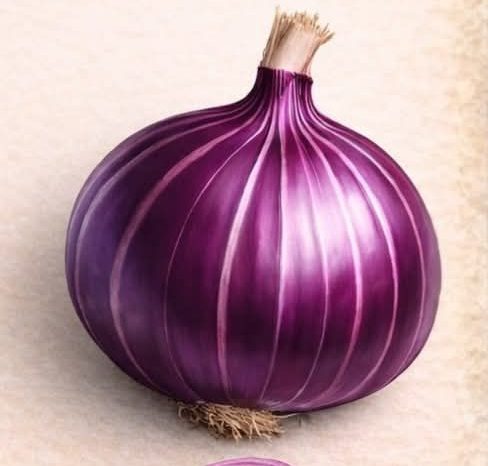
Red Onion and Ginger: A Powerful Natural Combo for Better Health
Natural remedies have been used for centuries in many cultures, long before modern medicine became widely available. Among the most respected ingredients in traditional home health practices are red onion and ginger. These two simple kitchen staples are inexpensive, easy to find, and widely used in daily cooking. Yet beyond flavor, they also carry an impressive nutritional profile that may support overall wellness when included regularly in a balanced diet.
Many people are now returning to natural foods as part of a healthier lifestyle. Instead of relying only on supplements, they are choosing whole ingredients that provide vitamins, antioxidants, and plant compounds. Red onion and ginger are often mentioned together because their properties complement each other in a unique way.
Red onion is rich in plant antioxidants, especially quercetin, a compound studied for its role in supporting the immune system and reducing oxidative stress. Ginger, on the other hand, contains gingerol, a natural compound known for its anti-inflammatory and digestive-supporting characteristics. When combined, these two foods may provide supportive benefits for several body systems.
This article explains how red onion and ginger may support health, how to safely include them in your diet, and who should use caution.
Red onion differs from white or yellow onions not only in color but also in nutrient concentration. The deep purplish-red outer layers contain higher amounts of flavonoids and anthocyanins, natural plant pigments linked to cellular protection. These antioxidants help the body neutralize free radicals, unstable molecules that can contribute to aging and long-term health problems.
In addition to antioxidants, red onions contain vitamin C, vitamin B6, folate, and small amounts of potassium. They also provide prebiotic fibers. Prebiotics feed beneficial gut bacteria, which play an important role in digestion, immune function, and nutrient absorption.
Ginger root has been valued for thousands of years in Asian, Middle Eastern, and African traditional practices. Fresh ginger contains gingerol, shogaol, and zingerone, compounds studied for digestive comfort and inflammation support. Many people already use ginger tea for nausea, stomach upset, and seasonal discomfort.
One of the most commonly discussed benefits of this combination is immune support. Red onion contributes vitamin C and plant antioxidants that help protect cells from oxidative damage. Ginger helps the body respond to inflammation and may help soothe throat irritation. Together, they create a warm, comforting mixture often used during cold weather or seasonal illness periods.
Another important area is digestion. Ginger is well known for supporting normal stomach movement. It can help the stomach empty properly and reduce bloating sensations after meals. Red onion provides fiber and prebiotics that nourish helpful gut bacteria. A healthy gut microbiome is increasingly linked to overall wellness, including energy levels and immune resilience.
Circulation support is another reason people consume this mixture. Ginger may help promote healthy blood flow, while red onion contains quercetin, which has been studied for supporting blood vessel function. Good circulation is important for oxygen delivery, heart health, and maintaining normal energy levels.
Some people also use red onion and ginger as part of a heart-friendly diet. Red onion’s flavonoids may support healthy cholesterol balance when combined with good nutrition habits such as reduced processed food intake and regular physical activity. Ginger has also been researched for helping maintain normal blood pressure already within a healthy range. These effects are supportive, not curative, but they can complement a healthy lifestyle.
Joint comfort is another commonly discussed topic. Ginger has natural anti-inflammatory properties, which is why it is often consumed by individuals seeking natural ways to support mobility and flexibility. Red onion’s antioxidants may also help reduce oxidative stress that can affect joints over time.
Some individuals believe this combination helps maintain stable blood sugar levels. While it is not a treatment for diabetes, ginger has been studied for improving insulin sensitivity, and onions contain compounds that may influence glucose metabolism. However, anyone with blood sugar disorders should consult a healthcare professional before relying on natural approaches.
The combination may also support respiratory comfort. Warm ginger drinks are often used to soothe throat irritation. Red onion syrups are traditional remedies in several cultures for cough relief. The warm liquid, combined with natural compounds, may help loosen mucus and make breathing feel easier during mild seasonal discomfort.
Preparing this mixture at home is simple and inexpensive. One popular method is a warm infusion drink. Slice half a medium red onion and a few thin slices of fresh ginger root. Add them to hot water and allow them to steep for about 10 minutes. Some people add a small amount of honey or lemon for taste. The liquid becomes mildly spicy and slightly sweet.
Another traditional method is a simple syrup. Finely chop red onion and mix it with grated ginger. Add a spoon of honey and let it sit for several hours. The onion releases juice, forming a natural syrup. Many families keep this in the refrigerator and take a small spoon during cold seasons.
You can also simply include both ingredients in meals. Stir-fries, soups, and roasted vegetable dishes often combine onions and ginger naturally. This is the safest and most balanced way to consume them because they become part of a complete diet rather than a concentrated remedy.
Although natural, these foods still require moderation. Excess onion may cause stomach irritation, heartburn, or bloating in sensitive individuals. Ginger in large amounts can cause burning sensations in the stomach and may interact with certain medications.
People who should be cautious include:
individuals taking blood-thinning medication,
people with bleeding disorders,
those preparing for surgery,
pregnant women (large medicinal amounts of ginger should be discussed with a doctor),
and anyone with severe acid reflux.
If your grandmother or another older adult wants to try this mixture, small amounts are best at first. Watch for stomach discomfort or allergic reactions such as rash or itching.
It is important to understand that natural remedies support the body but do not replace professional medical care. They cannot cure infections, chronic illness, or serious conditions. Instead, they can be part of preventive wellness — healthy food, hydration, sleep, and activity remain the foundation of good health.
Consistency matters more than large quantities. Using onion and ginger occasionally in meals may be more beneficial than consuming large doses suddenly. The body responds best to steady, balanced nutrition.
In modern nutrition science, many benefits of traditional foods are now being explained. Plant compounds like flavonoids and polyphenols appear to help reduce oxidative stress and support cellular function. This is likely why cultures that regularly use herbs and fresh foods often associate them with longevity and vitality.
Red onion and ginger together offer:
antioxidants,
digestive support,
mild anti-inflammatory effects,
and nutritional value with very few calories.
They are not miracle cures, but they are healthy additions to everyday meals.
In conclusion, the combination of red onion and ginger is a simple, affordable way to support general wellness. Their nutrients, antioxidants, and plant compounds may contribute to immune support, digestive comfort, circulation health, and seasonal respiratory relief. When used in moderation and alongside proper medical care, they can be a helpful part of a balanced lifestyle.