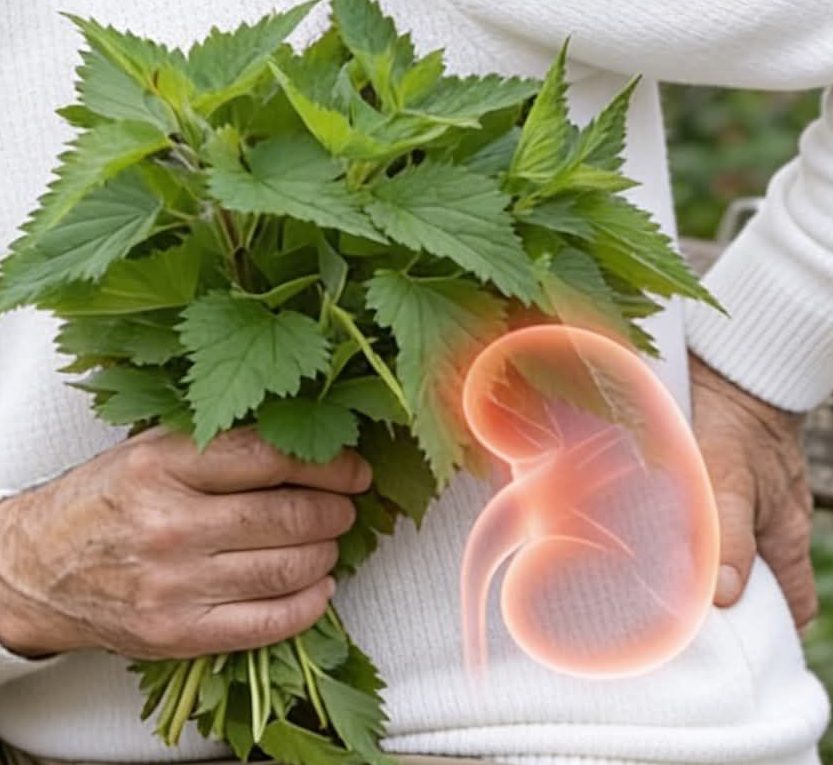
Nettle is a plant many people recognize from the countryside or gardens. The leaves can sting the skin when touched, yet the same plant has been valued for centuries in traditional wellness practices. While nettle leaves are commonly used in teas and soups, the underground part of the plant — the root — has gained special attention in recent years for its potential role in supporting urinary and prostate health, especially in older adults.
As natural health products become more popular, nettle root supplements are widely sold in capsules, powders, and extracts. However, because it is a biologically active plant, it should be used with understanding and caution. Knowing when it may be helpful, how to take it properly, and who should avoid it is important for safety.
Nettle root comes from Urtica dioica, often called stinging nettle. Unlike the leaves, the root is not used as a food. Instead, it is dried and prepared as an herbal extract. The root contains plant sterols, lignans, and other natural compounds that interact with hormone-related pathways in the body. This is why it is often discussed in relation to urinary symptoms in aging men.
One of the most common reasons people consider nettle root is urinary comfort. As men age, the prostate gland often enlarges. This condition, known as benign prostatic enlargement, can cause frequent urination, weak urine flow, nighttime bathroom trips, and the feeling that the bladder does not fully empty. Some research suggests nettle root may help support normal urinary function and improve comfort when used consistently.
It is important to understand that nettle root does not shrink the prostate instantly and it does not cure prostate disease. Instead, it may help reduce some urinary symptoms by influencing inflammatory pathways and hormone binding. Many herbal formulas combine nettle root with saw palmetto for this reason.
Another area of interest is inflammation support. The plant compounds in nettle root may help the body regulate inflammatory responses. Chronic low-grade inflammation is associated with discomfort in joints and tissues. While nettle root is not a pain medication, some individuals report improved comfort as part of a broader wellness routine.
Some people also use nettle root to support hair health. This comes from the belief that it may influence certain hormone pathways related to hair thinning. However, evidence remains limited, and it should not replace medically recommended treatments.
Because nettle root affects body systems gradually, timing matters. It is not an herb taken only once in a while. It usually needs consistent use over several weeks before effects are noticeable. Many users take it daily for one to three months, then evaluate results with a healthcare professional.
The best time to take nettle root is with meals. Taking it with food may reduce stomach irritation and improve tolerance. Morning and evening doses are often recommended when the product label suggests divided servings.
Forms available include capsules, tinctures, and teas made from dried root. Capsules are the most common because they provide consistent amounts. Tinctures are liquid extracts placed in water. Root tea exists but is less popular because the root is tough and requires longer boiling to release compounds.
Although generally considered safe in recommended amounts, side effects are possible. Some people experience mild digestive upset, nausea, or diarrhea when starting it. Taking it with food usually helps.
There are also important precautions. People who should not use nettle root without medical guidance include:
those taking blood pressure medication,
people using diuretics (water pills),
individuals with kidney disease,
patients scheduled for surgery,
and anyone taking hormone-related medications.
Nettle root may influence fluid balance and hormone binding proteins, which is why professional advice is important for individuals with chronic conditions.
Pregnant or breastfeeding women should avoid medicinal use of nettle root because safety data is limited. Children should not use concentrated herbal extracts unless recommended by a healthcare provider.
Another important point is diagnosis. Urinary symptoms in older adults are common, but they should never be assumed to be harmless. Similar symptoms can occur in urinary tract infections, bladder disorders, or prostate cancer. Anyone experiencing difficulty urinating, pain, blood in urine, or unexplained weight loss should seek medical evaluation before trying herbal supplements.
Quality also matters. Herbal supplements are not all produced the same way. Choosing products from reputable manufacturers that provide standardized extracts and clear labeling is safer than unknown sources.
Nettle root should also not be combined with multiple herbal remedies at the same time without advice. Mixing several herbs can increase the risk of interactions.
For individuals who prefer natural approaches, lifestyle changes often work alongside herbal support. Reducing evening caffeine, limiting alcohol, staying hydrated during the day, and maintaining a healthy weight can significantly improve urinary comfort.
It is helpful to keep realistic expectations. Herbal support is gentle and gradual. Benefits, if they occur, typically appear after consistent use rather than immediately. If no improvement is seen after several weeks, a medical professional should reassess the symptoms.
In summary, nettle root is a traditional herbal extract commonly used to support urinary comfort and general wellness in aging adults. When used responsibly and under proper guidance, it may be a useful complementary approach. However, it is not a replacement for medical diagnosis or treatment.
Safety comes first. Anyone with persistent urinary symptoms, pain, or unusual changes should seek professional evaluation. Natural remedies are most effective when they are part of a balanced plan that includes healthy diet, physical activity, and appropriate medical care.