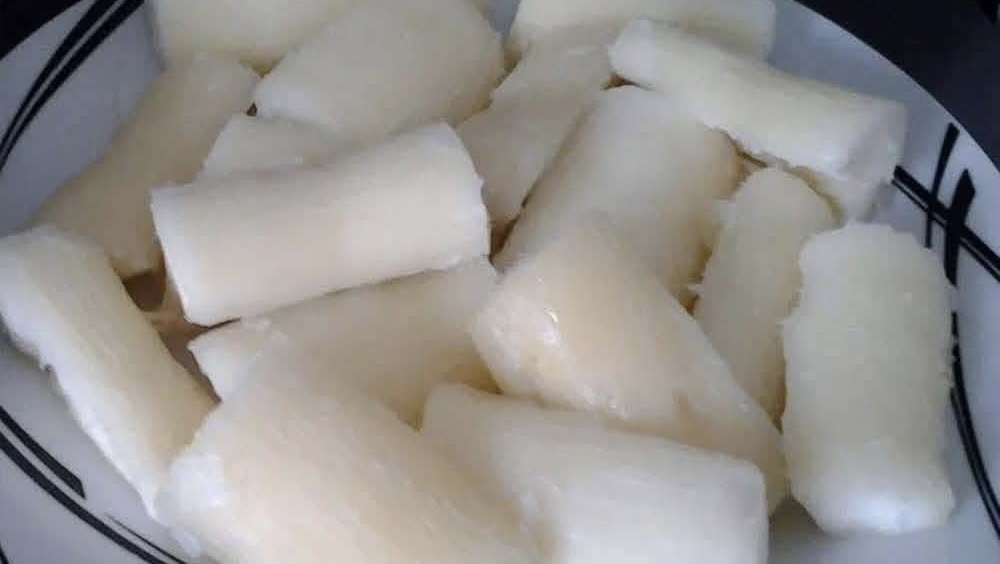
Cassava is one of the most widely consumed foods in the world, feeding hundreds of millions of people daily. Known for its versatility and affordability, this root vegetable plays a major role in diets across Africa, Asia, and Latin America. However, despite its popularity, cassava is often labeled as one of the most dangerous foods if not prepared properly.
So, what makes cassava both essential and risky? In this article, we’ll explore everything you need to know about cassava, including its health benefits, potential dangers, and how to consume it safely.
What Is Cassava?
Cassava, also known as yuca or manioc, is a starchy root vegetable derived from the plant Manihot esculenta. It is a staple food in many developing countries due to its ability to grow in poor soil and harsh climates.
Cassava is commonly used to make:
- Tapioca
- Cassava flour
- Fufu
- Boiled or fried cassava dishes
Its neutral taste and high carbohydrate content make it a reliable energy source.
Nutritional Value of Cassava
Cassava is rich in carbohydrates and provides a significant source of energy. It also contains:
- Vitamin C
- Fiber
- Small amounts of potassium and magnesium
- Resistant starch (beneficial for gut health)
However, cassava is relatively low in protein and certain essential nutrients, which is why it is often combined with other foods in balanced diets.
Why Cassava Is Considered Dangerous
Presence of Natural Toxins
Cassava contains compounds called cyanogenic glycosides. When consumed raw or improperly prepared, these compounds can release cyanide, a toxic substance.
Risk of Cyanide Poisoning
Improper consumption of cassava can lead to cyanide poisoning, which may cause:
- Headaches
- Dizziness
- Nausea
- Difficulty breathing
In severe cases, it can be life-threatening.
Long-Term Health Effects
Regular consumption of improperly processed cassava may lead to health issues such as:
- Neurological problems
- Thyroid dysfunction
- Nutritional deficiencies
Types of Cassava: Sweet vs Bitter
There are two main types of cassava:
Sweet Cassava
- Contains lower levels of toxins
- Can be made safe with simple cooking methods
Bitter Cassava
- Contains higher toxin levels
- Requires thorough processing (soaking, fermenting, drying)
Understanding the type of cassava is essential for safe consumption.
Health Benefits of Cassava
Despite its risks, cassava offers several benefits when prepared correctly.
1. Excellent Source of Energy
Cassava is rich in carbohydrates, making it a great energy source for active individuals.
2. Gluten-Free Alternative
Cassava flour is naturally gluten-free, making it suitable for people with gluten intolerance.
3. Supports Digestive Health
The resistant starch in cassava acts as a prebiotic, feeding beneficial gut bacteria.
4. Affordable and Accessible
Cassava is widely available and affordable, making it a key food for many communities.
How to Prepare Cassava Safely
Proper preparation is crucial to remove harmful toxins.
Step-by-Step Preparation
- Peel the cassava thoroughly
- Soak it in water for several hours (or overnight)
- Boil or cook completely before eating
- Discard soaking water
- Never eat cassava raw
These steps significantly reduce toxin levels and make cassava safe to consume.
Popular Ways to Eat Cassava
Cassava can be enjoyed in many forms:
- Boiled cassava as a side dish
- Fried cassava (similar to fries)
- Cassava flour for baking
- Tapioca pearls in desserts
Its versatility makes it a valuable ingredient in many cuisines.
Who Should Be Careful?
Certain groups should pay extra attention when consuming cassava:
- People with thyroid issues
- Individuals with low-protein diets
- Pregnant women (consult a doctor)
- Children (ensure proper preparation)
Balanced nutrition is important when cassava is a major part of the diet.
Common Myths About Cassava
Myth 1: Cassava Is Always Dangerous
Cassava is safe when prepared correctly. The danger comes from improper handling.
Myth 2: Cooking Alone Is Enough
In some cases, especially with bitter cassava, soaking and processing are also necessary.
Myth 3: It Should Be Avoided Completely
Cassava can be part of a healthy diet when consumed responsibly.
Why Millions Still Eat Cassava
Despite its risks, cassava remains a staple food because it is:
- Easy to grow
- Resistant to drought
- Affordable
- Highly filling
For many populations, it is an essential source of daily calories.
Tips for Safe Consumption
- Always peel and cook cassava thoroughly
- Avoid eating raw cassava
- Use trusted sources when buying cassava products
- Combine cassava with protein-rich foods
- Follow traditional preparation methods
Cassava and Modern Nutrition
Today, cassava is gaining popularity in global markets as a gluten-free ingredient. Cassava flour and tapioca are widely used in:
- Baking
- Snacks
- Health-conscious recipes
When processed properly, these products are safe and widely enjoyed.
Final Thoughts
Cassava is a fascinating food that highlights the balance between nutrition and safety. While it can be dangerous if consumed incorrectly, proper preparation makes it a valuable and nutritious part of many diets around the world.
Understanding how to handle cassava safely is key to enjoying its benefits without risk. With the right knowledge and preparation methods, cassava can continue to serve as a reliable, affordable, and versatile food source.
If you’re exploring global foods or looking for gluten-free alternatives, cassava is definitely worth trying—just make sure it’s prepared the right way.