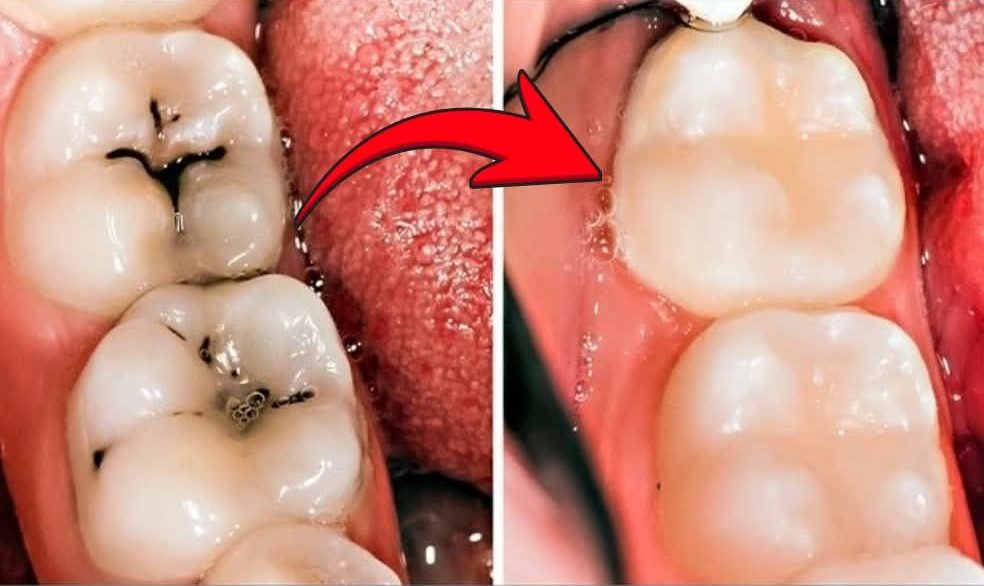
How to Get Rid of Tooth Cavity Naturally: The Most Effective Home Remedy to Reduce Pain Fast
Tooth cavities are one of the most common dental problems worldwide. They can cause sharp pain, sensitivity to hot or cold foods, and discomfort while chewing. When a cavity starts to hurt, many people search for natural remedies to reduce pain quickly at home. While home remedies cannot permanently remove or heal a cavity once enamel is damaged, they can help ease discomfort and support oral health until you see a dentist.
Understanding Tooth Cavities
A cavity forms when bacteria in the mouth feed on sugars and produce acids. These acids gradually break down the tooth enamel, creating small holes. If left untreated, cavities can grow deeper, reaching the dentin and even the pulp, where nerves are located. This is when pain becomes more intense.
Common symptoms of a cavity include:
Tooth sensitivity
Persistent toothache
Visible holes or dark spots
Pain when eating sweet, hot, or cold foods
Bad breath
If you notice these signs, professional dental care is essential. However, for temporary relief, several natural approaches may help reduce pain and inflammation.
The Most Effective Home Remedy for Fast Relief
One of the most popular and effective natural remedies for reducing tooth cavity pain quickly is a salt water rinse.
Salt Water Rinse
Salt has natural antibacterial and anti-inflammatory properties. It helps reduce bacteria in the mouth, decrease swelling, and soothe irritated tissues.
How to use it:
Mix half a teaspoon of salt in a glass of warm water.
Swish the solution in your mouth for 30 seconds, focusing on the affected area.
Spit it out and repeat two to three times daily.
This simple remedy can provide fast relief and support oral hygiene.
Other Natural Remedies to Reduce Tooth Pain
Clove Oil
Clove oil has been used in traditional dental care for centuries. It contains eugenol, a natural compound known for its soothing properties.
To use clove oil safely:
Dilute a few drops with a carrier oil such as coconut oil.
Apply gently to the affected tooth using a cotton swab.
Leave it for a few minutes before rinsing.
Clove oil may temporarily numb the area and reduce discomfort.
Cold Compress
If your tooth pain is accompanied by swelling, a cold compress can help.
Wrap ice in a clean cloth.
Apply it to the outside of your cheek for 15 to 20 minutes.
Repeat as needed.
Cold therapy can reduce inflammation and numb the area.
Hydrogen Peroxide Rinse
A diluted hydrogen peroxide rinse may help reduce bacteria in the mouth.
Mix equal parts 3 percent hydrogen peroxide and water.
Swish for 30 seconds and spit out.
Rinse with plain water afterward.
Do not swallow the solution. This method should only be used occasionally.
Oil Pulling with Coconut Oil
Oil pulling is an ancient practice that involves swishing oil in the mouth to remove bacteria.
Take one tablespoon of coconut oil.
Swish it in your mouth for 10 to 15 minutes.
Spit it out and rinse with warm water.
Coconut oil has antimicrobial properties that may support oral health.
Can a Cavity Heal Naturally?
In the very early stages, when enamel is just beginning to weaken, proper oral hygiene and fluoride exposure may help remineralize the tooth surface. However, once a cavity forms a hole in the tooth, it cannot fully heal on its own. Professional dental treatment such as fillings is usually necessary.
Natural remedies are best used to:
Reduce pain temporarily
Support oral hygiene
Lower bacterial levels
Prevent cavities from worsening
How to Prevent Cavities Naturally
Prevention is always better than treatment. To reduce the risk of cavities:
Brush your teeth twice daily with fluoride toothpaste.
Floss daily to remove plaque between teeth.
Limit sugary foods and drinks.
Drink plenty of water.
Eat calcium-rich foods to support strong teeth.
Visit your dentist regularly for cleanings and checkups.
When to See a Dentist
Home remedies can offer temporary relief, but you should seek professional care if you experience:
Severe or persistent pain
Swelling in the face or jaw
Fever
Difficulty swallowing
A bad taste in the mouth
These symptoms could indicate a deeper infection that requires immediate attention.
Final Thoughts
If you are dealing with tooth cavity pain, natural remedies like salt water rinses, clove oil, and cold compresses can help reduce discomfort quickly. However, they do not cure cavities. The most effective long-term solution is professional dental care combined with good oral hygiene habits.
Taking action early can prevent complications and protect your smile. Natural home remedies can provide comfort, but proper dental treatment remains the key to lasting relief and healthy teeth.