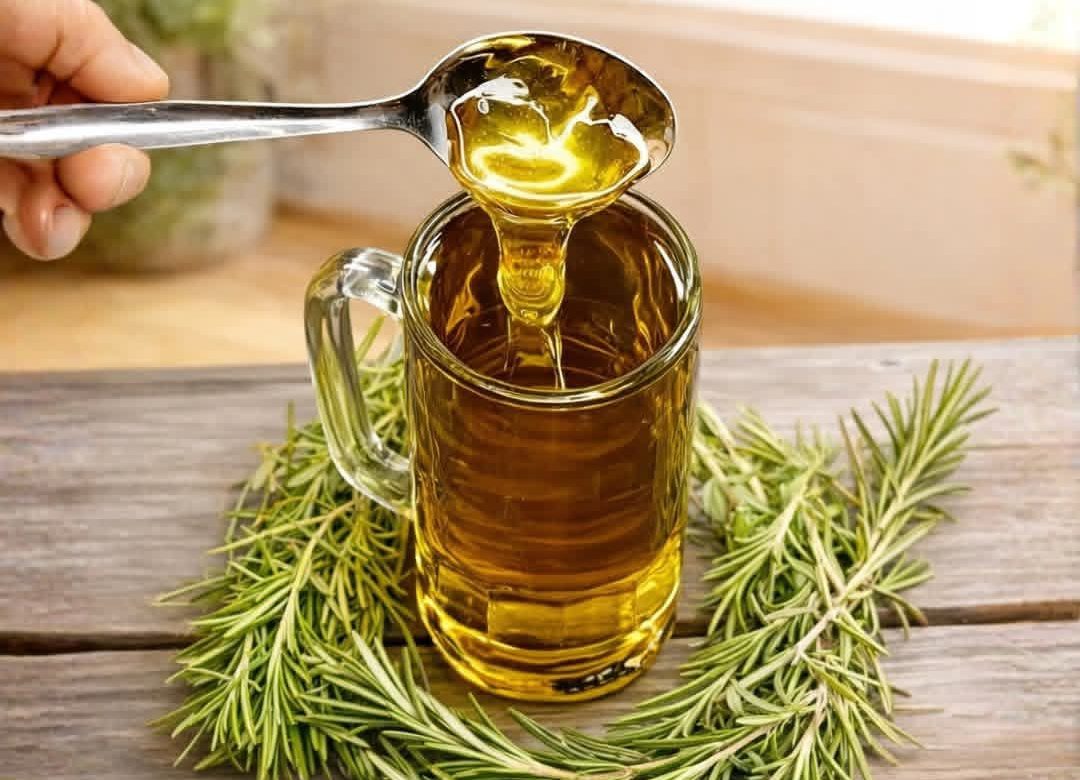
Rosemary for Muscle and Joint Pain: A Natural, Effective Relief Guide
Muscle aches and joint discomfort are common experiences, whether from daily activity, aging, exercise, or long hours spent sitting. While over-the-counter products are widely available, many people are turning back to traditional plant-based remedies for gentle support. One herb that has stood the test of time is Rosmarinus officinalis, commonly known as rosemary.
Used for centuries in Mediterranean kitchens and traditional herbal practices, rosemary is valued not only for its aroma and flavor but also for its potential soothing properties. This guide explores how rosemary may support muscle and joint comfort and how you can use it safely at home.
Understanding Rosemary’s Active Compounds
Rosemary contains several naturally occurring compounds that have attracted scientific interest. Among them are rosmarinic acid, carnosic acid, and essential oils such as cineole and camphor. These compounds are associated with antioxidant and anti-inflammatory properties in laboratory studies.
Inflammation plays a role in many types of muscle soreness and joint stiffness. While rosemary is not a cure or replacement for medical treatment, its natural compounds may help support the body’s response to everyday physical stress.
How Rosemary May Support Muscle Comfort
After intense physical activity or repetitive motion, muscles can feel tight and tender. Rosemary’s essential oil is often used in massage blends because of its warming and stimulating qualities. When applied topically in diluted form, it may help encourage circulation to the area, which can contribute to a soothing sensation.
The warming effect is particularly appreciated during cooler months or after prolonged inactivity. Increased circulation may help muscles feel looser and more relaxed.
Rosemary and Joint Stiffness
Joint discomfort is often linked to aging, wear and tear, or inflammatory processes. In traditional herbal practices, rosemary has been included in compresses, oils, and baths intended to ease stiffness.
Rosmarinic acid, one of the herb’s key components, has been studied for its potential anti-inflammatory properties. Although more large-scale human studies are needed, early findings suggest it may help support joint comfort when used consistently as part of a broader wellness approach.
Ways to Use Rosemary for Muscle and Joint Relief
There are several practical methods for incorporating rosemary into your routine.
Rosemary Infused Oil
A simple rosemary oil can be used for massage. To prepare it, fill a clean glass jar halfway with dried rosemary leaves. Cover completely with a carrier oil such as olive oil or sweet almond oil. Seal the jar and place it in a warm spot for two to three weeks, shaking gently every few days. Strain the oil and store it in a dark glass bottle.
Massage a small amount into sore muscles or stiff joints. Always perform a patch test first to check for skin sensitivity.
Rosemary Essential Oil Blend
Rosemary essential oil is highly concentrated and must be diluted before use. Add 3 to 5 drops of rosemary essential oil to one tablespoon of a carrier oil. Gently massage into the affected area.
Avoid applying near sensitive areas such as the eyes and broken skin. Essential oils should not be ingested unless under professional guidance.
Warm Rosemary Compress
Brew a strong rosemary tea by steeping two tablespoons of dried rosemary in two cups of hot water for 15 minutes. Strain and soak a clean cloth in the warm liquid. Wring out excess water and apply the compress to the affected area for 10 to 15 minutes.
The warmth combined with rosemary’s aromatic compounds can create a soothing experience.
Rosemary Bath Soak
Add a handful of dried rosemary or a few drops of diluted rosemary essential oil to a warm bath. Soaking for 15 to 20 minutes may help relax tired muscles and promote overall relaxation.
The steam from the bath also enhances the aromatic benefits, contributing to a calming environment.
Internal Use and Herbal Tea
Rosemary tea is traditionally consumed for general wellness. To prepare, steep one teaspoon of dried rosemary in a cup of hot water for 10 minutes. Strain and sip slowly.
While rosemary tea may support overall well-being, its effects on muscle and joint discomfort are more commonly associated with topical use. Always consult a healthcare professional before using herbal teas regularly, especially if you have medical conditions or take medications.
Safety Considerations
Rosemary is generally safe when used in culinary amounts. However, concentrated forms such as essential oils require caution.
People who are pregnant, have epilepsy, or have high blood pressure should consult a healthcare provider before using rosemary essential oil. Large internal doses are not recommended without professional supervision.
As with any natural remedy, discontinue use if irritation or adverse reactions occur.
Supporting Joint Health Beyond Herbs
While rosemary can be a helpful addition, long-term joint comfort depends on multiple factors. Regular gentle exercise, maintaining a healthy weight, proper hydration, and a balanced diet rich in anti-inflammatory foods all contribute to overall mobility.
Stretching before and after activity can reduce muscle tension. Strength training supports the muscles around joints, which may reduce strain. Adequate sleep also plays a vital role in tissue repair and recovery.
Combining these lifestyle habits with herbal support creates a more comprehensive approach to comfort.
A Traditional Herb with Modern Appeal
Rosemary’s enduring popularity comes from its versatility. It enhances food, uplifts mood with its aroma, and offers potential support for muscle and joint comfort. Whether used in a massage oil, warm compress, or bath soak, it provides a natural and accessible option for those seeking gentle relief.
While it should not replace medical care for chronic or severe conditions, rosemary can be part of a thoughtful, balanced wellness routine. Its rich history and aromatic warmth make it more than just a kitchen herb. It is a reminder that sometimes nature offers simple tools to support everyday comfort.
By approaching rosemary use with care and consistency, you can explore its potential benefits while maintaining a safe and informed perspective on natural remedies.