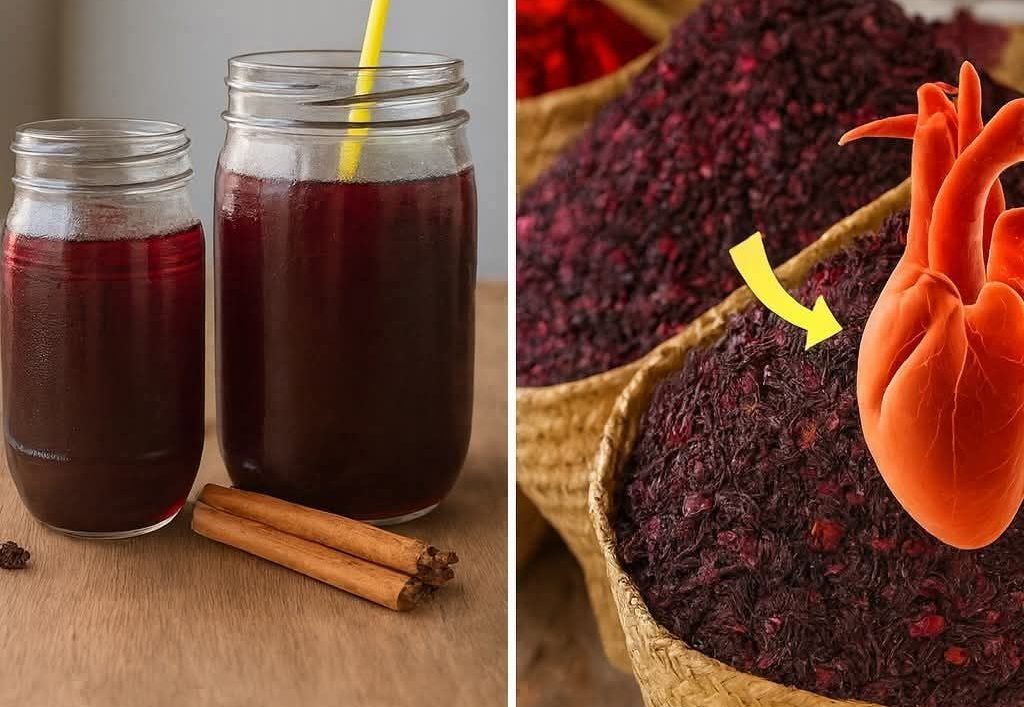
The Ancient Secret Seed That Revolutionized Wellness: Unlocking the Power of Hibiscus and Cloves
For centuries, traditional cultures have turned to plants, seeds, flowers, and spices to support vitality and balance. Among the most cherished natural ingredients are hibiscus and cloves. Though simple and widely available, these botanical treasures have been valued for their vibrant color, rich flavor, and potential wellness benefits. When combined, hibiscus and cloves create a powerful herbal infusion that supports hydration, digestion, and overall health.
While they are not miracle cures, hibiscus and cloves contain bioactive compounds that may gently support the body in multiple ways. Let’s explore why this ancient pairing continues to gain attention in modern wellness circles.
Understanding Hibiscus
Hibiscus, often prepared as a bright red herbal tea, comes from the dried calyces of the hibiscus flower. It has a tart, cranberry-like flavor and is naturally caffeine-free. Hibiscus is rich in antioxidants, particularly anthocyanins, which give it its deep red color.
These antioxidants help protect cells from oxidative stress caused by free radicals. Oxidative stress is linked to aging and various chronic conditions. By neutralizing free radicals, hibiscus may support long-term cellular health.
Hibiscus has also been studied for its potential role in supporting healthy blood pressure levels when consumed regularly as part of a balanced lifestyle.
The Power of Cloves
Cloves are dried flower buds from the clove tree and are known for their strong aroma and warming flavor. They contain eugenol, a compound with antioxidant, anti-inflammatory, and antimicrobial properties.
Cloves have traditionally been used to support digestion, freshen breath, and soothe minor throat irritation. Their warming quality complements the cooling tartness of hibiscus, creating a balanced herbal blend.
Why Combine Hibiscus and Cloves?
When hibiscus and cloves are brewed together, their properties complement one another.
Hibiscus contributes hydration, antioxidant protection, and potential cardiovascular support.
Cloves add digestive support, antimicrobial activity, and warming balance.
Together, they create a flavorful infusion that may support:
Heart health
Immune resilience
Digestive comfort
Healthy blood pressure
Anti-inflammatory balance
Hydration and detox support
Potential Wellness Benefits
Supports Cardiovascular Health
Hibiscus has been studied for its potential ability to help maintain healthy blood pressure levels. Combined with the antioxidant properties of cloves, this blend may support heart health when paired with a balanced diet and active lifestyle.
Provides Antioxidant Protection
Both hibiscus and cloves are rich in antioxidants. Regular consumption may help protect cells from oxidative damage.
Aids Digestion
Cloves are known to stimulate digestive enzymes, while hibiscus may help soothe the stomach. Together, they can provide gentle digestive support after meals.
Supports Immune Function
The antimicrobial compounds in cloves and vitamin C content in hibiscus may support the body’s natural defenses.
Promotes Hydration
Because this herbal tea is caffeine-free, it can be enjoyed throughout the day to support hydration without stimulating the nervous system.
How to Prepare Hibiscus and Clove Tea
Ingredients
1 tablespoon dried hibiscus petals
3–4 whole cloves
2 cups water
Instructions
- Bring water to a boil.
- Add hibiscus petals and cloves.
- Reduce heat and simmer for 5–7 minutes.
- Remove from heat and let steep for another 5 minutes.
- Strain and enjoy warm or chilled.
Optional additions include a slice of fresh ginger, a cinnamon stick, or a teaspoon of raw honey once the tea cools slightly.
How Often to Drink
One cup per day is generally sufficient. As with all herbal remedies, moderation is key.
Precautions
Hibiscus may lower blood pressure. Individuals already taking blood pressure medications should consult a healthcare professional before regular consumption.
Cloves, when consumed in excess, may cause stomach irritation. Pregnant or breastfeeding individuals should seek medical advice before adopting new herbal practices.
This tea should complement, not replace, medical care when needed.
Final Thoughts
The pairing of hibiscus and cloves represents an ancient yet simple approach to wellness. While not revolutionary in a medical sense, this time-honored combination offers antioxidant support, digestive comfort, and a refreshing alternative to sugary beverages.
Sometimes wellness is not about complex formulas but about returning to simple plant-based traditions. A daily cup of hibiscus and clove tea can serve as a mindful ritual—one that warms the body, nourishes the senses, and gently supports overall balance.