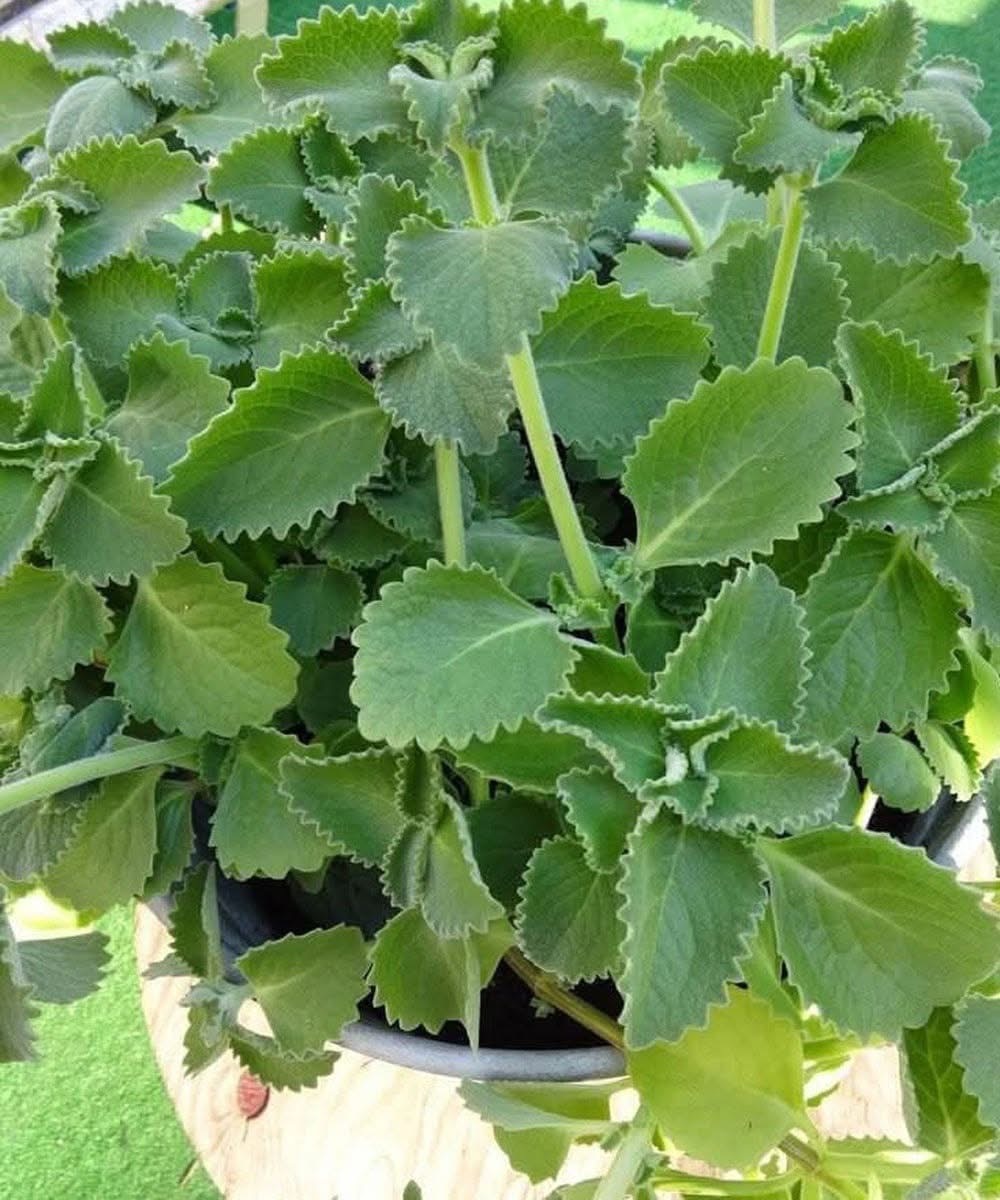
Indian borage is a fragrant, easy-to-grow herb that has become popular in home gardens thanks to its soft leaves, refreshing aroma, and traditional culinary and wellness uses. Known for its thick, velvety leaves and strong mint-like scent, this plant is both decorative and practical, making it an excellent addition to balconies, kitchens, and small garden spaces. Gardeners love it because it grows quickly, requires minimal care, and can be harvested throughout the year.
The plant is especially appreciated for its versatility. Its leaves are commonly used in home cooking, herbal preparations, and natural remedies passed down through generations. Whether you are growing herbs for flavor, beauty, or convenience, Indian borage offers an ideal balance of functionality and low maintenance.
What Is Indian Borage?
Indian borage is a succulent-like aromatic herb with thick, soft leaves that have slightly scalloped edges. The plant belongs to the mint family, which explains its strong refreshing aroma. Its sturdy stems and dense foliage make it suitable for both indoor and outdoor gardening.
Key characteristics include:
Thick and fuzzy leaves
Strong herbal fragrance
Fast growth pattern
Easy propagation from cuttings
Excellent container plant
Because it adapts well to warm climates, it thrives in many home environments with very little attention.
Why Gardeners Love This Herb
This plant is increasingly popular among beginner and experienced gardeners for several reasons:
Low maintenance care
Drought tolerant once established
Beautiful green foliage
Multipurpose kitchen herb
Grows well in pots
Ideal for small spaces
Even those with limited gardening experience can successfully grow and maintain healthy plants.
Culinary Uses of Indian Borage
One of the biggest reasons people grow Indian borage is its culinary value. The leaves have a bold herbal flavor that pairs well with many dishes.
Common culinary uses include:
Adding chopped leaves to soups
Flavoring stews and broths
Mixing into omelets
Seasoning grilled meat or fish
Infusing teas or warm drinks
Adding aroma to sauces
Because the flavor is strong, a small amount goes a long way in cooking.
Traditional Home Uses
For generations, Indian borage has been used in traditional household practices. Many families appreciate its comforting aroma and calming qualities.
Popular home uses include:
Herbal tea preparations
Steam infusions
Warm leaf compresses
Natural aromatic ingredient
Refreshing indoor plant scent
While many people enjoy these traditional uses, always consult a professional for medical advice if needed.
How to Grow Indian Borage at Home
Growing Indian borage is very simple, which makes it perfect for home gardeners.
Choosing the Right Pot
Select a pot with drainage holes. Medium-sized containers work well because the plant spreads as it grows.
Soil Requirements
Use loose, well-draining soil. A mix designed for herbs or succulents works perfectly.
Light Conditions
Indian borage prefers:
Bright indirect sunlight
Partial shade
Morning sun with afternoon protection
Too much harsh sunlight can slightly burn the leaves, so balance is important.
Watering Tips
Water moderately and allow the soil to dry slightly between waterings. Overwatering is the most common mistake.
Propagation Made Easy
One of the best things about this plant is how easily it multiplies.
How to propagate:
Cut a healthy stem
Remove lower leaves
Place in moist soil
Keep lightly watered
Roots usually develop quickly
This simple method allows you to grow multiple plants from one original herb.
Care and Maintenance Tips
Indian borage requires minimal maintenance, but a few habits help keep it healthy:
Trim regularly to encourage bushy growth
Remove dry or damaged leaves
Avoid waterlogging the soil
Rotate the pot for even light exposure
Harvest gently to maintain shape
Regular pruning keeps the plant vibrant and prevents legginess.
Indoor vs Outdoor Growing
This herb adapts well to both environments.
Indoor growing benefits:
Easy kitchen access
Pleasant natural fragrance
Protection from harsh weather
Controlled watering conditions
Outdoor growing benefits:
Faster growth
Larger leaves
Natural airflow
Healthy expansion
Choose based on your available space and climate.
Harvesting the Leaves
Harvesting is simple and encourages continued growth.
Best practices:
Pick mature leaves first
Avoid removing too many at once
Use clean scissors or fingers
Harvest in the morning for strongest aroma
Frequent light harvesting keeps the plant healthy and productive.
Common Growing Mistakes to Avoid
Even easy plants can struggle if basic needs are ignored.
Avoid these errors:
Overwatering roots
Using heavy compact soil
Placing in deep shade
Ignoring pruning
Allowing standing water in trays
With proper care, the plant remains lush and green for months.
Decorative Value in Home Gardens
Besides its practical uses, Indian borage also adds beauty to your space.
Its soft textured leaves create:
Natural greenery indoors
A fresh kitchen garden look
Elegant balcony displays
Compact herb arrangements
It pairs well with other herbs like mint, basil, and rosemary.
Why This Plant Is Perfect for Beginners
If you are starting a home herb garden, Indian borage is an excellent choice because:
It grows quickly
It forgives small mistakes
It adapts to many environments
It multiplies easily
It looks attractive year-round
This combination of beauty and practicality makes it one of the most rewarding herbs to grow.
Final Thoughts
Indian borage is more than just an herb — it is a versatile, fragrant, and easy-care plant that fits perfectly into modern home gardens. With its soft green leaves, pleasant aroma, and multiple culinary and traditional uses, it offers both beauty and function in one simple plant.
Whether you grow it in a balcony pot, a kitchen window, or a small backyard garden, this herb provides fresh greenery and convenience all year long. Once you start growing Indian borage, it quickly becomes a favorite plant that requires little effort while giving plenty in return.