Safe Handling Tips for Cleaner, Healthier Cooking
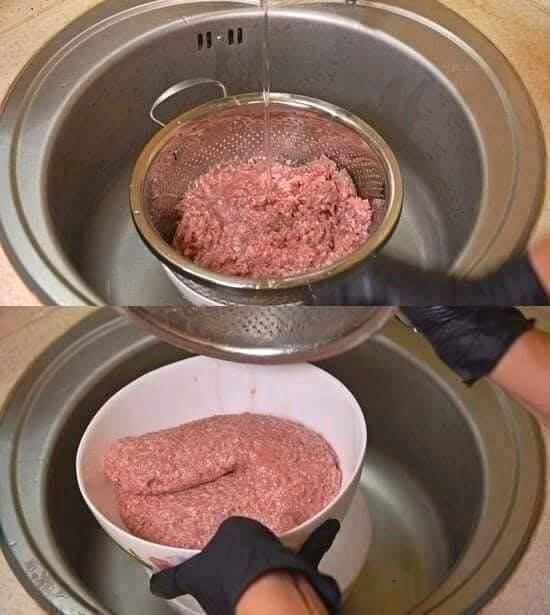
When preparing meals at home, food safety should always come first. Many people believe rinsing or washing ground meat under running water makes it cleaner or safer to eat. While this habit might seem logical, it is actually unnecessary and can increase the risk of spreading harmful bacteria in your kitchen.
Understanding the correct way to handle raw meat is essential for protecting your health and your family. Instead of washing ground meat, following proper cooking and hygiene practices is the safest and most effective approach.
If you want cleaner cooking habits, safer meals, and better kitchen hygiene, learning why you should never wash ground meat is an important step.
Why Washing Ground Meat Is Not Recommended
It might feel natural to rinse meat before cooking, but food safety experts strongly advise against it. Washing ground meat does not remove bacteria. In fact, it can make things worse.
Raw meat may contain bacteria such as salmonella or E. coli. When you rinse it under water, those bacteria can splash onto your sink, countertops, utensils, and nearby food. This is called cross-contamination.
Once bacteria spread around the kitchen, they are much harder to eliminate. Even tiny droplets can contaminate surfaces without you noticing.
Cooking—not washing—is what safely kills harmful bacteria.
What Happens When You Rinse Ground Meat
Ground meat has a soft, loose texture. When placed under running water, it breaks apart easily and absorbs moisture. This causes several problems.
First, the texture becomes mushy and watery, which affects cooking results. Burgers, meatballs, or sauces may lose flavor and structure.
Second, water spreads raw meat juices into your sink and onto surfaces. These juices carry bacteria that can survive and multiply.
Third, washing does nothing to improve safety. Bacteria live inside the meat, not just on the surface. Only proper heat can destroy them.
Rinsing simply adds risk without any benefit.
The Safe Way to Handle Ground Meat
Instead of washing ground meat, follow safe preparation practices that actually protect you.
Start by keeping the meat cold until you are ready to cook. Store it in the refrigerator and avoid leaving it at room temperature for long periods.
When preparing:
Use clean hands
Use separate cutting boards
Avoid contact with other foods
Wash utensils immediately
Cook thoroughly
These steps reduce the risk of contamination and keep your kitchen safer.
Proper Cooking Temperatures Matter
Heat is the only reliable way to eliminate harmful bacteria in meat. Ground meat must be cooked completely, not partially.
Safe internal temperatures include:
Ground beef: 160°F (71°C)
Ground poultry: 165°F (74°C)
Using a food thermometer ensures accuracy. Color alone is not always a reliable indicator of doneness.
Fully cooked meat is safe, flavorful, and much healthier than rinsed raw meat.
How to Keep Your Kitchen Clean
Good hygiene habits are more effective than washing meat. Cleaning your workspace correctly prevents bacteria from spreading.
After handling raw meat:
Wash hands with soap and water
Disinfect countertops
Clean sinks thoroughly
Sanitize utensils
Replace sponges regularly
These small habits make a big difference in food safety.
A clean kitchen protects everyone.
Why Food Safety Saves Money Too
Safe handling not only protects health but also prevents waste. Contaminated food or cross-contamination can cause meals to spoil faster or make people sick, leading to unnecessary grocery costs or medical expenses.
By cooking properly and avoiding unsafe habits, you preserve both food quality and your budget.
Good habits equal smarter savings.
Common Myths About Washing Meat
Many people learned to wash meat from older traditions or cultural habits. While well-intentioned, modern food safety research shows this practice is outdated.
Myth: Washing removes bacteria
Truth: Cooking removes bacteria
Myth: Meat looks cleaner after rinsing
Truth: Bacteria are invisible
Myth: Everyone does it
Truth: Health agencies advise against it
Understanding the science helps you make better choices.
Smart Cooking Practices to Follow
For safe and delicious meals, remember these tips:
Never rinse ground meat
Cook thoroughly
Avoid cross-contamination
Store properly
Clean surfaces often
These steps ensure both safety and flavor.
Final Thoughts
Washing ground meat might seem like a simple cleaning step, but it actually increases the risk of spreading bacteria around your kitchen. The safest approach is to skip rinsing entirely and focus on proper cooking and hygiene practices instead.
By handling meat carefully, cooking it to the right temperature, and keeping your kitchen clean, you protect your family and enjoy better-tasting meals. Safe cooking habits are easy to follow and far more effective than washing raw meat.
Sometimes, doing less is actually the smarter and healthier choice.