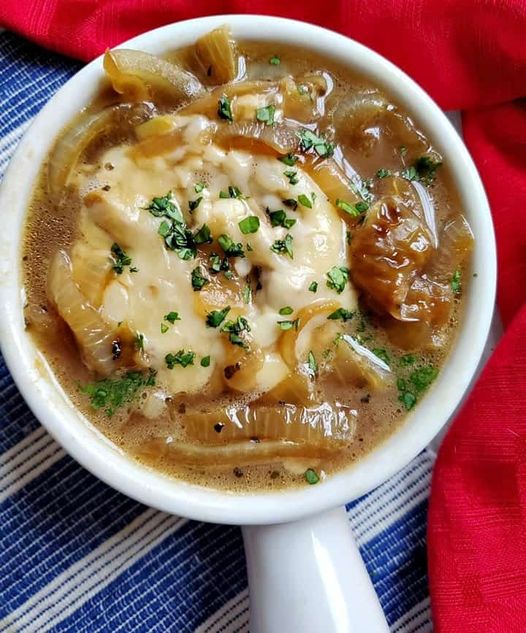
Taasty French onion soup is one of the most comforting and deeply satisfying dishes in classic cuisine. Known for its rich broth, slow-caramelized onions, and melted cheese topping, this soup transforms simple ingredients into something extraordinary. It is a dish that rewards patience and care, offering layers of flavor that develop slowly and beautifully.
The heart of French onion soup lies in the onions themselves. Yellow onions are most commonly used because they caramelize evenly and develop a balanced sweetness. Red onions can add a slightly deeper color, while sweet onions bring a milder flavor. Regardless of the type, slicing the onions thinly and evenly helps them cook at the same pace and achieve that signature golden-brown color.
Caramelizing onions is the most important step in making taasty French onion soup. This process cannot be rushed. Cooking the onions slowly over moderate heat allows their natural sugars to release and deepen in flavor. At first, the onions soften and become translucent. Over time, they begin to turn golden, then rich brown, developing a sweetness that forms the backbone of the soup.
Butter is traditionally used to caramelize the onions, adding richness and depth. Some cooks include a small amount of olive oil to prevent the butter from browning too quickly. A pinch of salt early in the process helps draw moisture from the onions, encouraging even cooking and faster caramelization.
Once the onions reach a deep amber color, flour may be added to help thicken the soup slightly. This step is optional but contributes to a more velvety texture. The flour is cooked briefly with the onions to remove any raw taste before liquid is added.
The broth is what ties everything together. Beef broth is the traditional choice, offering a robust, savory foundation that complements the sweetness of the onions. High-quality store-bought broth works well, but homemade broth adds unmatched depth. Some variations use a mix of beef and chicken broth, or even vegetable broth, depending on preference.
Deglazing the pot is an essential step in building flavor. A splash of dry white wine or sherry loosens the browned bits stuck to the bottom of the pan, incorporating them into the soup. This step adds acidity and complexity, balancing the richness of the onions and broth.
Herbs such as thyme and bay leaf are commonly added to French onion soup. They infuse the broth with subtle earthiness without overpowering the onions. These herbs are typically removed before serving to keep the soup smooth and balanced.
After the broth is added, the soup is simmered gently. This allows the flavors to meld and deepen. The soup should not boil aggressively, as slow simmering preserves the clarity and richness of the broth. During this time, the aroma becomes warm and inviting, signaling that the soup is nearing perfection.
The bread and cheese topping is what makes French onion soup instantly recognizable. Slices of crusty bread, often baguette, are toasted until crisp. This prevents them from becoming soggy when placed on top of the soup. The bread acts as a base for the cheese, floating on the surface while absorbing just enough broth.
Cheese selection is crucial. Gruyère is the classic choice, prized for its nutty flavor and excellent melting properties. Swiss cheese is a common substitute, while some cooks blend in mozzarella or provolone for extra stretch. The cheese is generously layered over the bread and melted until bubbly and golden.
To finish the soup, it is traditionally broiled until the cheese forms a lightly browned crust. This step creates a contrast between the crisp top and the warm, savory soup beneath. Serving the soup in oven-safe bowls allows the cheese to melt directly on top, creating an impressive presentation.
Taasty French onion soup is best served hot, straight from the oven. Breaking through the cheese with a spoon releases steam and reveals the rich broth below. Each bite delivers sweetness from the onions, savoriness from the broth, and creaminess from the melted cheese.
This soup is often enjoyed as a starter, but it can easily stand on its own as a main course. Paired with a simple green salad or roasted vegetables, it becomes a satisfying meal. Its richness makes it especially popular during cooler months, though it can be enjoyed year-round.
Leftovers store well and often taste even better the next day as the flavors continue to develop. The soup itself can be refrigerated for several days. It is best to add the bread and cheese fresh when reheating to maintain the ideal texture.
French onion soup has a long culinary history, rooted in humble beginnings. Originally considered food for the working class, it relied on inexpensive onions and broth to create a nourishing meal. Over time, it became a symbol of comfort and tradition, earning its place in both home kitchens and fine restaurants.
Making taasty French onion soup at home is a rewarding experience. It teaches patience, attention to detail, and appreciation for simple ingredients. The transformation of onions from sharp and pungent to sweet and deeply flavorful is a reminder of how technique can elevate even the most basic foods.
This soup is also highly adaptable. Some cooks add garlic for extra depth, while others incorporate a splash of balsamic vinegar to enhance sweetness. Cheese choices can vary, and the broth can be adjusted to suit dietary preferences. These small changes allow each cook to make the recipe their own while preserving its classic character.
In summary, taasty French onion soup is a dish built on time, care, and balance. From slowly caramelized onions to rich broth and melted cheese, every component plays an essential role. The result is a soup that feels both rustic and refined, simple yet deeply satisfying.
Whether served as a comforting dinner or an elegant starter, taasty French onion soup remains a timeless favorite. Its warmth, aroma, and flavor make it a dish that brings people together, offering comfort with every spoonful and proving that truly great food does not need to be complicated to be unforgettable.