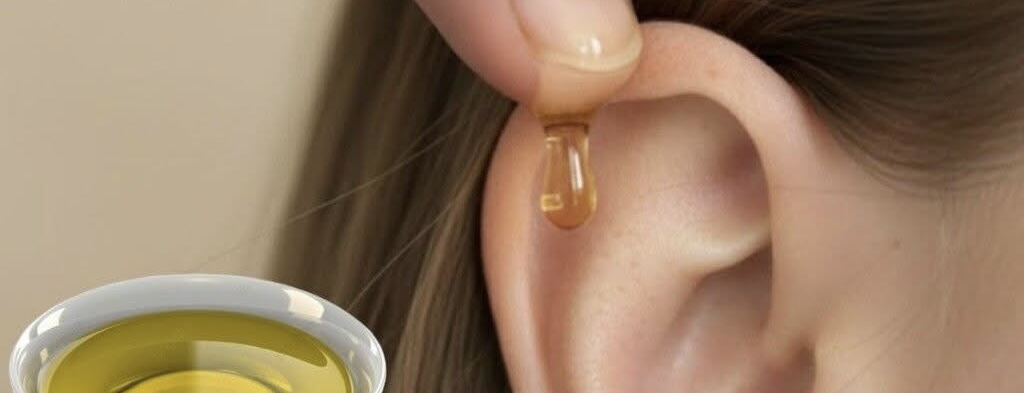
In recent years, social media has been filled with bold claims suggesting that a few drops of a homemade mixture can instantly restore hearing or unclog ears “like magic.” These posts often show people placing oil or other liquids into their ears, promising quick results without medical care. While the idea may sound appealing, the truth is far more complex. Ear health requires caution, understanding, and, when necessary, professional guidance.
Hearing loss or muffled hearing can come from many causes. Sometimes the issue is temporary and simple, such as excess earwax. Other times, it can be linked to infection, inflammation, or more serious conditions involving the eardrum or inner-ear structures. Because of this wide range of possibilities, no universal drop or home remedy will work for every situation. Treating ears correctly means understanding what you are dealing with—not blindly trusting a social media shortcut.
Why This Claim Isn’t Reliable
Misinformation thrives online because it promises fast solutions. Videos and images often encourage people to put oils, extracts, or mixtures in their ears to “hear like new.” However, there is no scientific evidence to support the idea that a homemade ear drop can restore hearing. In some cases, these claims can even be harmful if followed without caution.
What works for one person may not work for another. For example, softened earwax may clear easily for someone with mild blockage, while another person may have a completely different issue such as fluid buildup, infection, or nerve-related hearing decline. Without knowing the cause, any home treatment is guesswork.
The Potential Risks
The ears are delicate organs designed to protect themselves. Introducing unknown liquids into them can lead to complications, even when the substance seems harmless.
Common risks include:
- Ear canal irritation or swelling
- Allergic reactions to oils or herbal ingredients
- Infection from trapped moisture
- Worsening of blockage if wax swells instead of loosens
- Serious complications if the eardrum is perforated
These risks are especially concerning for children, who have narrower ear canals and more sensitive tissue.
When Earwax Is the Problem
Sometimes, muffled hearing is caused by cerumen buildup. In such cases, safe removal can make a noticeable difference. Over-the-counter ear drops specifically formulated to dissolve wax can be helpful. Hydrogen peroxide-based solutions or saline rinses are commonly used because they are regulated and tested. However, even with safe products, instructions must be followed carefully.
If the wax is stubborn or the ear canal is particularly blocked, a healthcare provider can perform a professional cleaning. This method is gentle, sterile, and effective—especially for people with repeated buildup.
Situations That Require Professional Care
If hearing changes suddenly, is accompanied by pain, dizziness, ringing, or drainage, the issue is more urgent. Sudden hearing loss is considered a medical emergency and requires evaluation by a doctor or audiologist. Infections, especially in children, should also be assessed promptly rather than treated with improvised home solutions.
People with chronic conditions such as eczema, diabetes, or immune disorders should be particularly careful with ear treatments, as they are more prone to infection and irritation.
Why Professional Diagnosis Matters
The ear is more than what we see on the outside. It includes the ear canal, eardrum, and three internal chambers that all play a role in hearing. Even minor inflammation or a tiny perforation can change how sound travels or is perceived.
A healthcare professional can:
- Examine the ear canal safely
- Identify whether wax, infection, or fluid is present
- Determine if hearing loss is conductive or nerve-driven
- Recommend treatment—whether drops, cleaning, or medication
This approach ensures that the solution matches the problem rather than relying on chance.
Safe Steps You Can Take
While it may be tempting to try a trending remedy, ear safety should always come first. The best approach is to start with proven, gentle methods and seek help when needed.
Practical suggestions include:
- Avoid inserting unknown liquids into the ear
- Use regulated ear-cleaning products when necessary
- Keep ears dry when dealing with irritation
- Never insert cotton swabs inside the ear canal
- Schedule a checkup if symptoms persist
These habits protect your hearing and reduce the risk of complications.
The Bottom Line
Quick fixes shared online may promise amazing hearing results, but the science rarely supports them. Ear health is too important to risk on untested or poorly understood remedies. While some natural options may offer relief for minor wax buildup, others could worsen symptoms or cause injury.
The safest and most effective way to address hearing issues is to understand the cause before choosing the solution. When in doubt, consult a medical professional who can guide you with clarity and care. Your hearing is precious—protect it with evidence-based care, not viral shortcuts.