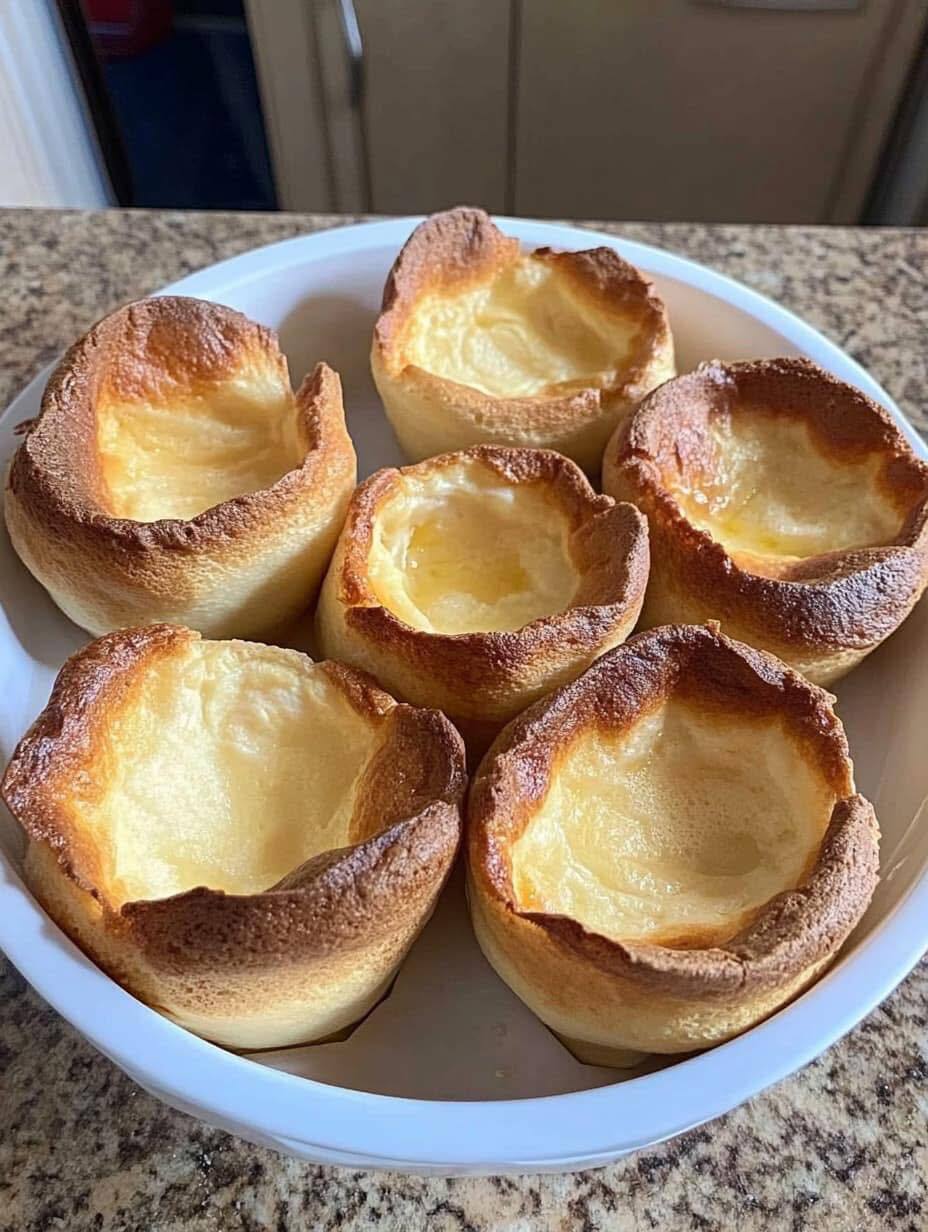
Classic Yorkshire Puddings
Classic Yorkshire puddings are a beloved traditional dish that has stood the test of time. Known for their crisp exterior and soft, airy interior, they are a defining part of many comforting meals. Originally created as a way to make the most of simple ingredients, Yorkshire puddings have grown into a cherished food that represents warmth, tradition, and the joy of sharing a meal around the table.
Yorkshire puddings are most often associated with roast dinners, where they are served alongside roasted meat, vegetables, and rich gravy. Their purpose is both practical and indulgent. The hollow center is perfect for holding gravy, while the crisp edges add texture and contrast to the meal. Though they are simple in appearance, achieving the perfect Yorkshire pudding requires attention to detail and respect for a few key principles.
At their core, Yorkshire puddings are made from a basic batter of flour, eggs, and milk. These everyday ingredients come together to create something surprisingly light and dramatic when baked properly. The batter itself is thin, similar to pancake batter, and relies on hot fat and high oven heat to rise. This rapid rise is what creates the signature puffed shape and golden crust.
The choice of flour is usually plain all-purpose flour, which provides the right balance of structure and tenderness. Eggs are essential, as they help the pudding rise and set while adding richness. Milk brings the batter together, creating a smooth consistency that can expand easily when exposed to heat. Some cooks use a mix of milk and water to create a lighter pudding, while others prefer all milk for a richer result.
One of the most important steps in making classic Yorkshire puddings is allowing the batter to rest. Resting the batter for at least 30 minutes, and sometimes longer, allows the flour to fully hydrate and the gluten to relax. This step helps produce a better rise and a more consistent texture. Skipping this step can result in puddings that rise unevenly or lack structure.
Equally important is the fat used for baking. Traditional Yorkshire puddings are made with beef drippings, which add flavor and help achieve a crisp finish. However, vegetable oil or other high-smoke-point fats can also be used successfully. Whatever fat is chosen, it must be heated until extremely hot before the batter is added. This sudden contact between cold batter and hot fat is what triggers the dramatic rise.
The oven temperature must be high, usually hotter than what is used for most baked goods. This intense heat causes the batter to puff up quickly, forming tall sides and a hollow center. Opening the oven door during baking can cause the puddings to collapse, so it is important to let them bake undisturbed until they are fully risen and golden brown.
When baked correctly, classic Yorkshire puddings are crisp on the outside and soft but set on the inside. The interior should not be doughy, but light and airy, with enough structure to hold gravy. The exterior should be deeply golden and slightly crunchy, providing contrast with the soft center. Achieving this balance is what makes Yorkshire puddings so satisfying.
Serving Yorkshire puddings is a moment many people look forward to during a meal. They are traditionally served hot, straight from the oven, when they are at their tallest and crispest. They pair beautifully with roasted meats, especially beef, and are often filled generously with gravy. Some people also enjoy them with sausages, vegetables, or even on their own as a snack.
Though they are most commonly served as part of a savory meal, Yorkshire puddings can also be enjoyed in creative ways. Some cooks fill them with roasted vegetables or use them as a base for small portions of meat and sauce. Others experiment with sweeter fillings, transforming them into a dessert-style dish with fruit and cream. This flexibility shows how adaptable and beloved the basic pudding truly is.
Classic Yorkshire puddings are also deeply connected to tradition and family meals. For many, they bring back memories of Sunday dinners, holiday gatherings, and time spent in the kitchen watching them rise through the oven door. The anticipation of seeing them puff up and the satisfaction of pulling out a tray of golden puddings is part of what makes them so special.
Making Yorkshire puddings at home is often seen as a rite of passage for cooks. While the ingredients are simple, mastering the technique takes practice. Each successful batch builds confidence, and small adjustments in resting time, oven heat, or fat choice can make a noticeable difference. This learning process adds to the sense of pride and accomplishment when they turn out well.
Yorkshire puddings are best enjoyed fresh, but they can be prepared in advance and reheated if needed. Reheating them in a hot oven helps restore some of their crispness. Leftover puddings can also be repurposed, filled with leftovers or served as a base for creative meals the next day.
Beyond their role on the plate, Yorkshire puddings represent the beauty of traditional cooking. They show how simple ingredients, when treated with care and understanding, can create something truly special. They do not rely on complex flavors or modern techniques, yet they continue to delight generation after generation.
In conclusion, classic Yorkshire puddings are a timeless dish that deserves their place at the table. With their crisp edges, airy centers, and ability to soak up rich gravy, they bring comfort and satisfaction to any meal. Simple to make yet rewarding to master, they are a reminder that some of the most beloved foods are rooted in tradition and simplicity. Whether served as part of a grand roast dinner or enjoyed in a more creative way, classic Yorkshire puddings remain a true classic that never goes out of style.