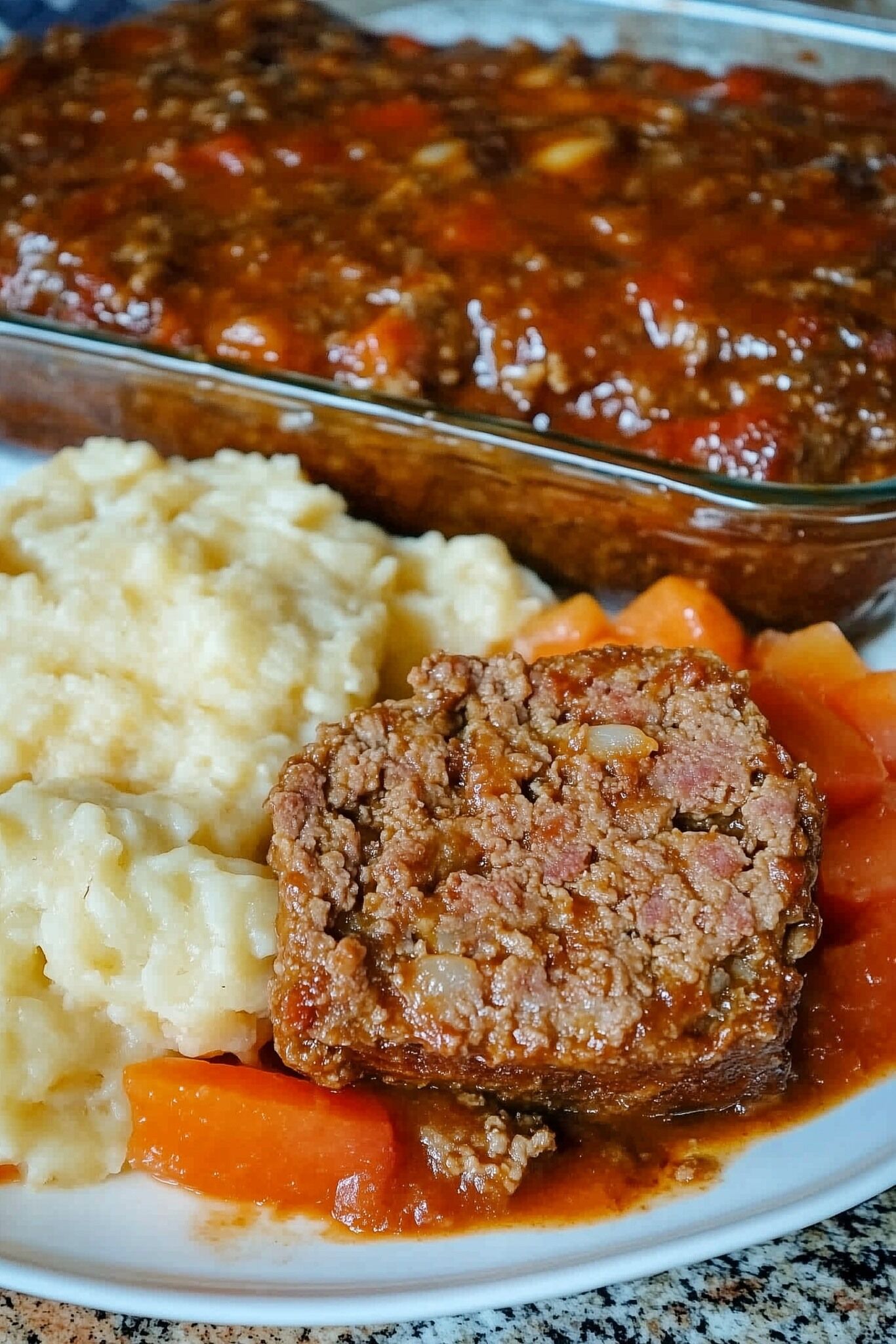
Classic Homemade Meatloaf Recipe
Classic homemade meatloaf is one of those dishes that feels deeply familiar and comforting. It is a meal many people grew up eating, often associated with family dinners, warm kitchens, and the reassuring aroma of something hearty baking in the oven. Meatloaf has earned its place as a household favorite because it is simple to prepare, satisfying to eat, and adaptable to different tastes and traditions.
At its heart, meatloaf is a practical dish. It was originally created as a way to stretch ingredients and make the most of what was available, yet over time it became much more than that. Today, a well-made meatloaf is valued for its rich flavor, tender texture, and the sense of home it brings to the table. It is a dish that does not rely on fancy techniques or expensive ingredients, but instead rewards careful preparation and balance.
The foundation of classic homemade meatloaf is ground meat. Ground beef is most commonly used, often with a moderate fat content to ensure moisture and flavor. Meat that is too lean can result in a dry loaf, while meat with some fat helps keep it juicy during baking. Some cooks like to blend ground beef with pork or veal to add richness and depth, but a simple beef-based meatloaf can be just as satisfying when prepared correctly.
Binders are essential in meatloaf, as they help hold the mixture together and create a tender texture. Breadcrumbs, crushed crackers, or oats are commonly used for this purpose. These ingredients absorb moisture and prevent the meat from becoming dense or tough. Milk or another liquid is often added to soften the binder, creating a mixture that blends smoothly into the meat. This step plays a major role in achieving a meatloaf that slices cleanly yet remains moist.
Eggs also contribute to the structure of the meatloaf. They help bind the ingredients together while adding richness. The key is to use just enough egg to hold the loaf together without making it firm or rubbery. Proper balance between meat, binder, liquid, and egg is what separates a tender meatloaf from a heavy one.
Seasoning is where meatloaf truly comes to life. Onion and garlic are classic additions that provide depth and aroma. Some cooks prefer finely chopped onions for a bit of texture, while others sauté them first to soften their flavor. Salt and black pepper are essential, while ingredients like paprika, parsley, or thyme can add warmth and subtle complexity. These seasonings enhance the meat without overpowering it.
One of the defining features of a classic homemade meatloaf is its topping. A simple glaze made from ketchup, tomato sauce, or a mixture of ketchup and a touch of sweetness is often spread over the top before baking. As the meatloaf cooks, this topping caramelizes slightly, creating a flavorful contrast to the savory interior. The glaze also helps seal in moisture and adds a familiar, comforting finish.
Mixing the meatloaf should be done gently. Overmixing can lead to a dense and tough texture, while light mixing keeps the loaf tender. Using clean hands or a fork to combine the ingredients just until they are evenly distributed is usually the best approach. Once mixed, the meat is shaped into a loaf and placed in a baking dish or on a lined baking sheet.
Baking meatloaf at a moderate temperature allows it to cook evenly without drying out. As it bakes, the kitchen fills with a rich, savory aroma that signals a comforting meal is on the way. Allowing the meatloaf to rest for a short time after baking is an important final step. Resting helps the juices redistribute, making the loaf easier to slice and more enjoyable to eat.
Classic homemade meatloaf is known for its versatility at the dinner table. It pairs naturally with mashed potatoes, roasted vegetables, or green beans, creating a balanced and satisfying meal. The leftovers are often just as appreciated as the original serving. Cold or reheated meatloaf can be used in sandwiches, crumbled into pasta dishes, or served with eggs for a hearty breakfast.
One of the reasons meatloaf remains so popular is its adaptability. While the classic version is beloved, it can be easily adjusted to suit personal preferences. Different seasonings, sauces, or vegetables can be added without losing the essence of the dish. This flexibility allows each household to develop its own version while still honoring the traditional roots of the recipe.
Beyond its flavor and practicality, meatloaf carries emotional significance for many people. It often represents home cooking at its most genuine, made with care and shared with those you love. The act of slicing into a freshly baked meatloaf and serving it at the table can feel like a small ritual, one that brings comfort and connection.
Meatloaf is also a forgiving dish, making it ideal for cooks of all skill levels. Beginners appreciate its simplicity, while experienced cooks enjoy refining their technique and flavors. Because it does not require constant attention while baking, it allows time to prepare side dishes or simply enjoy the process of cooking.
In today’s kitchens, classic homemade meatloaf continues to hold its place despite changing food trends. Its enduring popularity speaks to its ability to provide nourishment, satisfaction, and a sense of familiarity. It is a reminder that good food does not need to be complicated to be meaningful or delicious.
In conclusion, a classic homemade meatloaf recipe is more than just a way to prepare ground meat. It is a comforting, reliable dish that brings warmth and satisfaction to the table. With its tender texture, savory flavor, and familiar glaze, it remains a favorite for families and home cooks everywhere. Whether enjoyed fresh from the oven or as leftovers the next day, classic homemade meatloaf continues to prove that simple, thoughtful cooking never goes out of style.