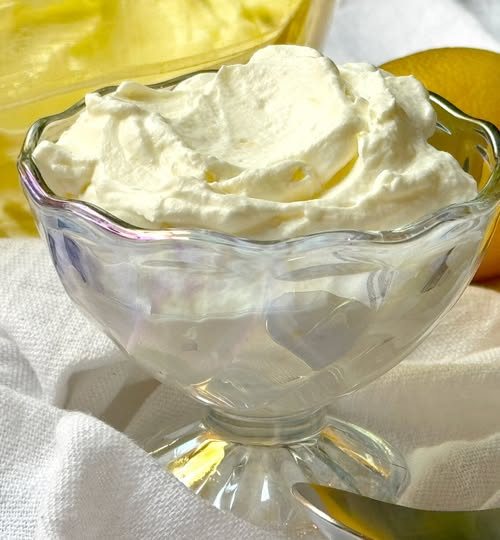
Sour Cream
Sour cream is a smooth, tangy dairy product made by fermenting cream with lactic acid bacteria. Its rich texture and mild acidity make it a staple ingredient in both cooking and baking, as well as a popular topping for many savory dishes. Sour cream adds creaminess, moisture, and a subtle tang that balances flavors beautifully.
What Sour Cream Is
Sour cream is traditionally made by adding live cultures to cream, which thickens it and gives it its signature tangy taste. The fermentation process creates a smooth, spoonable consistency that works well in both hot and cold dishes.
Common Uses
Sour cream is widely used as a topping for baked potatoes, tacos, nachos, and chili. In cooking, it adds richness to soups, sauces, and casseroles. In baking, sour cream helps keep cakes, muffins, and quick breads moist while adding a slight tang that enhances sweetness.
Cooking Tips
Avoid boiling sour cream, as high heat can cause it to separate. Stir it in at the end of cooking or use low heat. Full-fat sour cream offers the best flavor and texture, but reduced-fat versions can work in many recipes.
Substitutes
If you are out of sour cream, you can substitute plain Greek yogurt, crème fraîche, or a mixture of milk and lemon juice thickened slightly. Each option provides a similar tang with slightly different textures.
Homemade Sour Cream
Sour cream can be made at home by mixing heavy cream with a small amount of lemon juice or vinegar and letting it sit at room temperature until thickened, then refrigerating.
Storage
Store sour cream tightly sealed in the refrigerator. It typically stays fresh for one to two weeks after opening. Always use a clean spoon to prevent spoilage.
Final Thoughts
Sour cream is a versatile kitchen essential that enhances both savory and sweet recipes. Its creamy texture and gentle tang make it an ingredient worth keeping on hand for everyday cooking and special dishes alike.