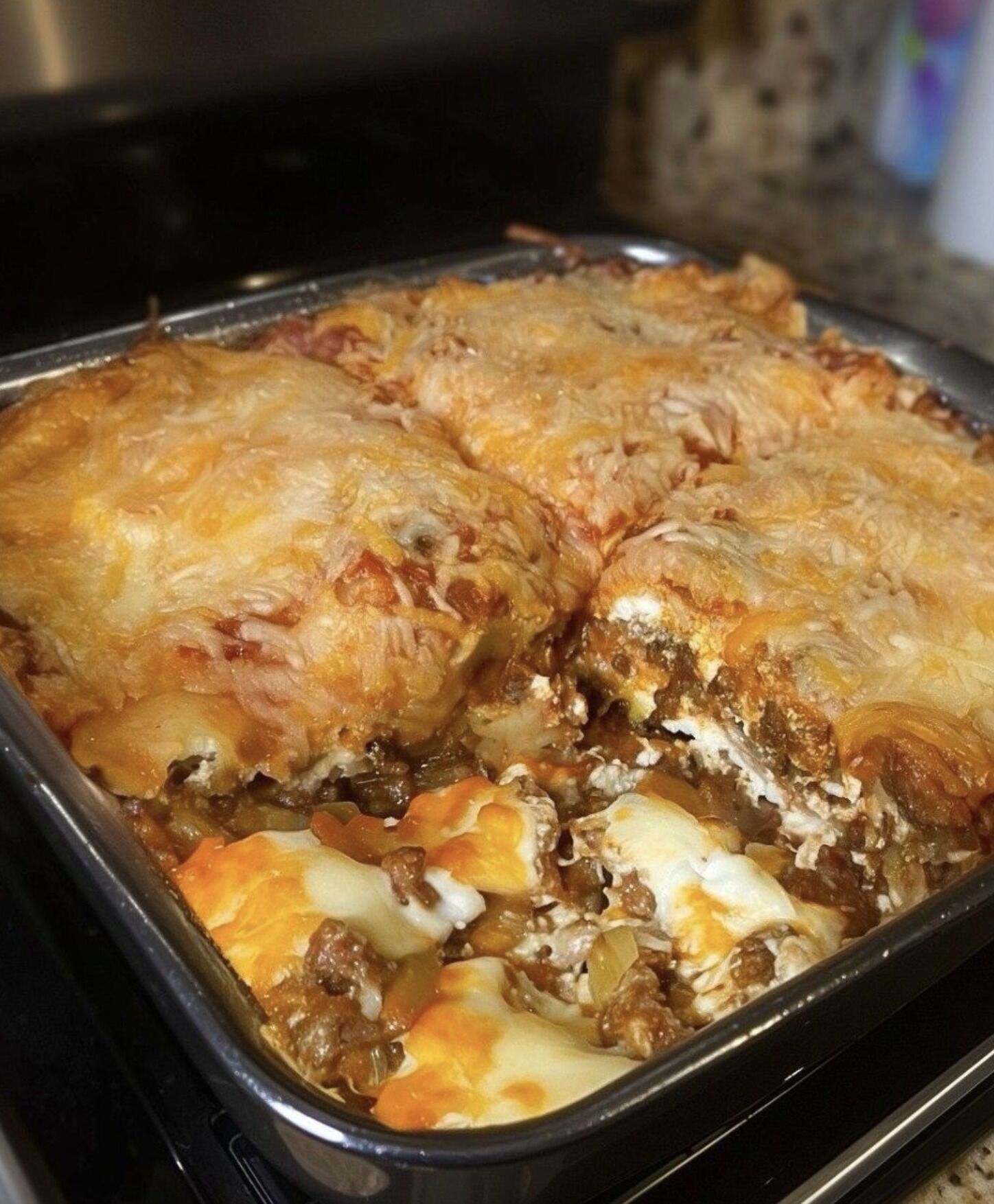
Hashbrown casserole is a classic comfort food that has been a staple at family gatherings, potlucks, and holiday breakfasts for generations. Its creamy, cheesy texture combined with the crispy edges of tender potatoes makes it a dish that appeals to both kids and adults alike. While simple in concept, hashbrown casserole offers a perfect balance of flavors and textures, and it is surprisingly versatile. It can serve as a side dish, a main course, or even a breakfast treat depending on how it is prepared.
The foundation of a hashbrown casserole is, of course, the potatoes. Most recipes call for shredded or cubed hashbrowns, which provide a soft and fluffy interior when baked. Frozen hashbrowns are commonly used for convenience, but fresh potatoes can also be shredded and used if you prefer a more homemade touch. The key to a great casserole is achieving a combination of creamy consistency and a slightly golden top.
Cheese is another essential component of hashbrown casserole. Cheddar cheese is the most popular choice, offering a rich flavor that melts beautifully into the dish. Some variations include a blend of cheeses, such as Monterey Jack, mozzarella, or even cream cheese, to enhance the creamy texture. The cheese not only adds flavor but also helps bind the ingredients together, creating that comforting, cohesive structure that makes the casserole so satisfying.
In addition to cheese, most hashbrown casseroles include a creamy base. This is often achieved using a combination of sour cream, cream of chicken or mushroom soup, or a mixture of milk and cream. The creamy element ensures that the casserole remains moist and rich during baking, and it complements the mild flavor of the potatoes perfectly. Some cooks also like to add a small amount of butter to the mixture to enhance the richness and help with browning.
Onions and seasonings play a crucial role in elevating the flavor of hashbrown casserole. Diced onions or green onions add a subtle sharpness and freshness that balances the richness of the potatoes and cheese. Garlic powder, salt, pepper, and paprika are commonly used seasonings that bring depth to the dish. Some recipes even call for a touch of mustard or Worcestershire sauce to add complexity and a slight tang. Herbs like thyme, parsley, or chives can also be added for a hint of freshness.
Preparation of hashbrown casserole is straightforward, making it an excellent choice for both novice and experienced cooks. The basic steps involve mixing the shredded potatoes with the creamy base, cheese, and seasonings. Once combined, the mixture is transferred to a greased baking dish. For a golden, slightly crunchy top, additional shredded cheese or crushed cornflakes can be sprinkled on before baking. Some recipes even include a topping of breadcrumbs mixed with butter for extra texture.
Baking times can vary depending on the recipe and the type of potatoes used. Typically, a hashbrown casserole is baked at 350°F (175°C) for 45 to 60 minutes. The casserole is done when the edges are golden brown and the center is bubbling. For those who prefer a crispier top, the casserole can be placed under the broiler for a few minutes at the end of baking. It is important to let the casserole rest for a few minutes after removing it from the oven, as this allows it to set slightly and makes serving easier.
Hashbrown casserole is highly adaptable. While the classic version consists of potatoes, cheese, cream, and onions, additional ingredients can be incorporated to suit personal preferences. Some variations include diced ham, cooked bacon, or sausage for a heartier meal. Vegetables like bell peppers, mushrooms, or spinach can be added to boost the nutritional content. Even seafood, such as crab or smoked salmon, can be included in specialty versions of the dish. The flexibility of hashbrown casserole makes it a favorite for experimenting in the kitchen.
One of the reasons hashbrown casserole has remained popular for so long is its ability to feed a crowd. It is a forgiving dish, meaning it can be made ahead of time and stored in the refrigerator until ready to bake. Some recipes can even be assembled and frozen for several weeks, making it a convenient option for busy families or last-minute gatherings. Reheating is simple, as the casserole retains its creamy texture and flavor even after being stored.
Serving hashbrown casserole is just as versatile as making it. It pairs beautifully with a wide range of proteins and vegetables. For breakfast, it can accompany eggs, bacon, and sausage. At lunch or dinner, it works well alongside roasted chicken, ham, or turkey. The creamy, cheesy nature of the dish makes it a natural complement to roasted or steamed vegetables, and it can even be served as a main course with a side salad. Its adaptability is one of the key reasons for its enduring popularity.
For those looking to lighten the dish, several modifications can be made without sacrificing flavor. Using low-fat sour cream or milk can reduce the richness, while adding extra vegetables increases volume and nutritional value. Some recipes replace cream-based soups with homemade béchamel sauce or Greek yogurt to create a lighter yet still creamy texture. Even the cheese can be swapped for reduced-fat varieties to make the casserole a bit healthier. Despite these adjustments, the comforting essence of hashbrown casserole remains intact.
Hashbrown casserole also has a cultural significance in many households. In the United States, it is often associated with holiday meals, brunches, and Sunday gatherings. Families pass down their favorite recipes, each with its own unique twist. Some add secret ingredients like a pinch of nutmeg, a splash of hot sauce, or a special cheese blend, creating a cherished tradition around this simple yet flavorful dish. The process of making and sharing hashbrown casserole often becomes as important as eating it, fostering a sense of togetherness and warmth.
In addition to being a family favorite, hashbrown casserole is celebrated in the culinary world for its versatility. Chefs often put their spin on the classic dish, experimenting with international flavors or gourmet ingredients. For example, a southwestern version might include roasted green chiles and pepper jack cheese, while a Mediterranean twist could feature feta, spinach, and sun-dried tomatoes. This ability to adapt and evolve while retaining its comforting qualities is what makes hashbrown casserole timeless.
In conclusion, hashbrown casserole is much more than just a side dish. It is a comforting, versatile, and satisfying dish that has earned a special place in kitchens around the world. With its combination of creamy potatoes, melted cheese, and flavorful seasonings, it appeals to a wide audience and can be tailored to suit almost any occasion. Whether you stick to the classic recipe or experiment with new ingredients, hashbrown casserole is a reliable choice for a meal that warms both the body and the soul. Its ease of preparation, adaptability, and timeless taste ensure that it will remain a beloved dish for generations to come.