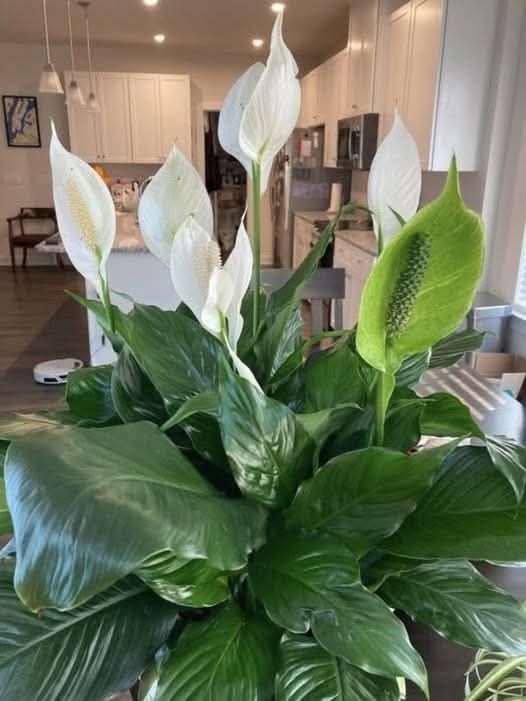
How To Get Your Peace Lily To Flower More
Peace lilies are one of the most popular houseplants in the world, loved for their glossy green leaves and elegant white blooms. While the foliage is attractive year-round, many plant owners become frustrated when their peace lily grows well but rarely produces flowers. The good news is that with the right care and a few adjustments, you can encourage your peace lily to bloom more frequently and more abundantly.
Understanding how peace lilies grow and what they need to flower is the key to success. These plants are not difficult, but they are specific about their environment. Light, water, nutrients, temperature, and even pot size all play an important role in flower production. When one of these elements is off, the plant may focus only on leaf growth instead of blooms.
Understanding Peace Lily Flowering
Peace lilies do not flower continuously throughout the year. Most varieties naturally bloom in spring and early summer, though healthy plants may produce occasional blooms at other times. The white “flower” is actually a modified leaf called a spathe, which surrounds a central spike known as the spadix. Producing this structure requires energy, so the plant will only bloom when conditions are right.
If your peace lily has not flowered in a long time, it is usually a sign that one or more of its basic needs are not being met. Correcting these issues can often trigger blooming within a few weeks or months.
Provide the Right Amount of Light
Light is the most important factor when it comes to flowering. Peace lilies are often described as low-light plants, which is true in the sense that they survive in low light. However, survival and flowering are not the same thing. To bloom well, peace lilies need bright, indirect light.
Place your plant near a window where it can receive filtered sunlight. East-facing windows are ideal, as they provide gentle morning light. North-facing windows can also work if the room is bright. Avoid placing the plant in direct sunlight, especially harsh afternoon sun, as this can scorch the leaves.
If your peace lily is in a very dark corner and only producing leaves, slowly move it to a brighter location. Sudden changes in light can stress the plant, so gradual adjustments are best. In homes with limited natural light, fluorescent or LED grow lights can also help encourage flowering.
Water Properly and Consistently
Peace lilies are sensitive to watering habits. Too much or too little water can prevent flowering and cause other problems. These plants prefer evenly moist soil, but they do not like to sit in soggy conditions.
Water your peace lily when the top inch of soil feels dry to the touch. When you water, do so thoroughly until excess water drains out of the bottom of the pot. Always empty the saucer to prevent water from pooling around the roots.
Underwatering can cause stress, leading to drooping leaves and reduced energy for flowering. Overwatering can lead to root rot, which also stops blooms and may eventually kill the plant. Consistent watering is more important than a strict schedule, so always check the soil before adding water.
Use the Right Soil and Pot
The soil your peace lily grows in affects both root health and flowering. Use a well-draining potting mix designed for houseplants. Heavy garden soil or compacted mixes can retain too much moisture and reduce oxygen to the roots.
Pot size also matters. Peace lilies actually bloom better when they are slightly root-bound. If the plant is in a pot that is too large, it may focus on root and leaf growth instead of flowering. If your peace lily has plenty of leaves but no blooms, check whether the pot is oversized.
On the other hand, if roots are circling tightly or growing out of the drainage holes, the plant may be too crowded. In that case, repot into a container just one size larger. Repotting is best done in spring, which also aligns with the natural blooming cycle.
Feed Your Peace Lily Correctly
Nutrients play a major role in flower production. Peace lilies are not heavy feeders, but they do benefit from regular, balanced fertilization during the growing season.
Use a balanced houseplant fertilizer diluted to half strength. Apply it every 6 to 8 weeks during spring and summer. Too much fertilizer can lead to lush green leaves but few or no flowers, and it may even burn the roots.
Some fertilizers are higher in phosphorus, which supports blooming. While peace lilies do not require a special bloom formula, a balanced fertilizer with moderate phosphorus can help encourage flower development when used correctly.
Stop or reduce fertilizing in fall and winter, when the plant’s growth naturally slows.
Maintain Ideal Temperature and Humidity
Peace lilies are tropical plants, which means they prefer warm temperatures and moderate humidity. The ideal temperature range is between 65°F and 80°F (18°C to 27°C). Temperatures below 55°F (13°C) can stress the plant and prevent blooming.
Avoid placing your peace lily near cold drafts, air conditioners, heaters, or exterior doors. Sudden temperature changes can disrupt growth and flower formation.
Humidity is another important factor. Dry indoor air, especially in winter, can reduce flowering. If the air in your home is dry, consider misting the plant occasionally, placing a tray of water and pebbles nearby, or using a humidifier. Higher humidity helps the plant stay healthy and supports bloom development.
Prune and Maintain the Plant
Regular maintenance encourages a healthier plant and better flowering. Remove yellowing or damaged leaves by cutting them at the base. This allows the plant to redirect energy toward new growth and blooms.
When flowers fade and turn green or brown, remove them as well. Cut the flower stalk down at the base once it has finished blooming. This helps prevent the plant from wasting energy on old flowers and encourages the formation of new ones.
Keep the leaves clean by gently wiping them with a damp cloth. Dust can block light and reduce the plant’s ability to photosynthesize efficiently, which affects flowering.
Be Patient and Observe
Even with perfect care, peace lilies may not bloom immediately. Flowering is influenced by the plant’s age, variety, and overall health. Younger plants often focus on leaf growth before producing flowers. Some varieties bloom more easily than others.
If you recently changed the plant’s location, repotted it, or adjusted care routines, give it time to adapt. Stress from change can temporarily delay flowering, but healthy growth usually follows.
Observe your plant closely. Healthy leaves, strong stems, and steady growth are good signs that flowers may appear soon. Small changes in care can make a big difference over time.
Common Reasons Peace Lilies Do Not Flower
Insufficient light is the most common cause of a lack of blooms.
Overfertilizing can produce leaves without flowers.
Cold temperatures or drafts can stop flower development.
Inconsistent watering can stress the plant.
An oversized pot may delay blooming.
Addressing these issues often leads to noticeable improvement.
Encouraging Blooms Naturally
Peace lilies respond best to gentle, consistent care rather than drastic interventions. Mimicking their natural environment as closely as possible will give the best results. Bright indirect light, warm temperatures, moderate humidity, and proper watering create the conditions needed for flowering.
Some plant owners notice increased blooming after moving the plant outdoors in a shaded area during warm months. If you try this, make sure the plant is protected from direct sun and sudden temperature changes. Bring it back indoors before temperatures drop.
Final Thoughts
Getting your peace lily to flower more is not about forcing blooms but about creating the right environment. When the plant feels comfortable and healthy, it will reward you with graceful white flowers that last for weeks.
With patience, observation, and a few simple care adjustments, your peace lily can go from a leafy houseplant to a stunning flowering centerpiece. By understanding its needs and responding to what the plant tells you, you can enjoy more frequent and longer-lasting blooms throughout the year.