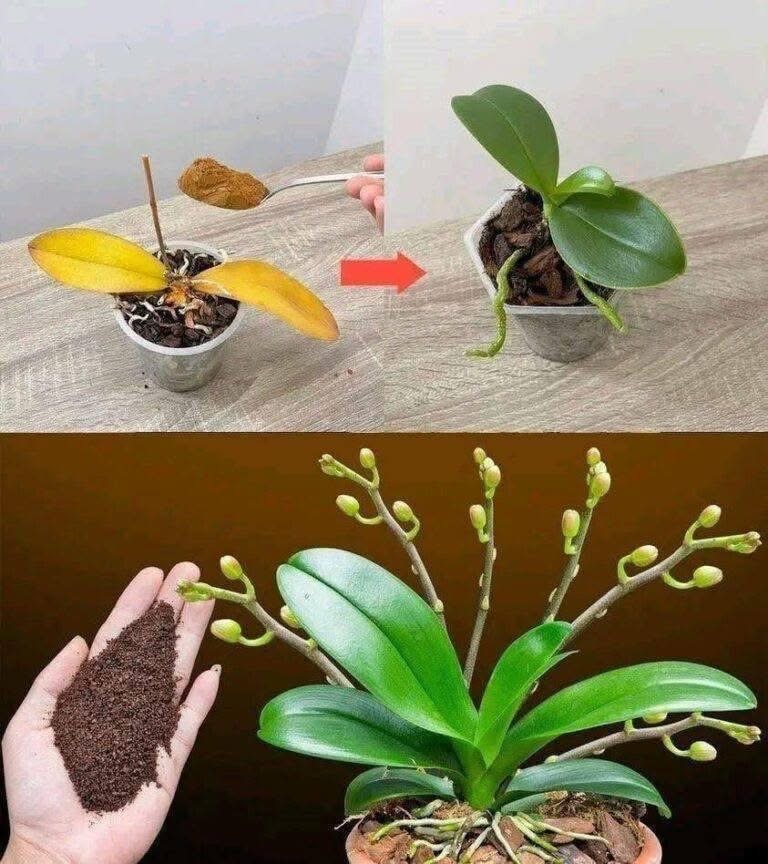
Orchids are elegant, beautiful plants, but they are also known for being sensitive and sometimes difficult to care for. Yellowing leaves, weak roots, or a lack of flowers can make it seem like your orchid is beyond saving. The good news is that with the right care and patience, a dying orchid can be revived and encouraged to grow strong, healthy leaves and bloom again.
This guide focuses on natural, effective methods to restore orchid health, improve root strength, and stimulate flowering without complicated treatments.
Understanding Why Orchids Decline
Before reviving an orchid, it’s important to understand why it started to struggle. Most orchid problems are caused by improper watering, poor drainage, lack of light, or root rot. Orchids do not grow in regular soil; they need air around their roots. When roots stay wet for too long, they begin to rot, cutting off nutrients to the plant.
Yellow or limp leaves often indicate stress, while wrinkled leaves suggest dehydration. A lack of blooms usually means the orchid is not receiving the right balance of light and nutrients.
Inspecting the Roots and Leaves
The first step in reviving a dying orchid is checking the roots. Gently remove the orchid from its pot and examine the root system. Healthy orchid roots are firm and green or silvery. Rotten roots appear brown, black, or mushy.
Trim away any dead or rotting roots using clean, sterilized scissors. Removing damaged roots allows the plant to focus its energy on growing new, healthy ones. Check the leaves as well and remove any completely yellow or dry leaves.
Choosing the Right Growing Medium
Orchids need a loose, breathable growing medium. Standard potting soil holds too much moisture and suffocates roots. A proper orchid mix usually contains bark, coconut husk, or charcoal pieces that allow air circulation.
Repot the orchid in a clean pot with drainage holes using fresh orchid mix. This gives the roots room to breathe and prevents future rot.
Watering the Correct Way
Overwatering is one of the most common reasons orchids decline. Orchids prefer a cycle of watering and drying. Water the plant thoroughly, then allow the medium to dry slightly before watering again.
Use room-temperature water and avoid letting water sit in the crown of the plant, as this can cause rot. A good rule is to water once every 7 to 10 days, adjusting based on climate and humidity.
Improving Light and Environment
Orchids need bright, indirect light to thrive. Too much direct sunlight can burn the leaves, while too little light prevents blooming. Place the orchid near a window where it receives filtered sunlight.
Maintain a stable environment with good air circulation and moderate humidity. Orchids enjoy humidity levels between 50% and 70%. You can increase humidity by placing a shallow tray of water near the plant or misting lightly around it.
Feeding the Orchid Naturally
Once the orchid shows signs of recovery, gentle feeding can help encourage growth and blooms. Use a diluted orchid fertilizer or natural organic nutrients designed for orchids. Feeding should be done sparingly, usually once or twice a month.
Avoid over-fertilizing, as excess nutrients can damage roots and leaves. A balanced feeding schedule supports leaf growth, root development, and future flower spikes.
Encouraging New Growth and Blooms
After recovery, orchids often focus on growing leaves and roots before blooming again. This is normal. Strong roots and healthy leaves are essential for flowering.
To encourage blooming, ensure the orchid experiences a slight temperature drop at night. This natural change signals the plant to produce flower spikes. Consistent care, proper light, and patience are key during this stage.
Common Mistakes to Avoid
Avoid frequent repotting, as orchids need time to adjust. Do not use heavy soil or pots without drainage. Never leave the orchid standing in water, and avoid cutting healthy green roots.
Also, resist the urge to move the plant constantly. Orchids prefer stable conditions and respond best when left undisturbed.
Signs Your Orchid Is Recovering
A recovering orchid will show firm, green leaves and new root growth. You may notice fresh roots emerging or a new leaf forming from the center. Over time, a healthy flower spike may appear, indicating the plant is ready to bloom again.
Recovery takes time, sometimes several weeks or months, but steady improvement is a positive sign.
Final Thoughts
Reviving a dying orchid is absolutely possible with proper care, patience, and the right environment. By addressing root health, adjusting watering habits, improving light exposure, and using a suitable growing medium, you can restore your orchid’s strength and beauty.
Once revived, an orchid can reward you with lush leaves and stunning blooms year after year. With consistent, gentle care, your orchid can transform from struggling to thriving, becoming a long-lasting and elegant addition to your home.