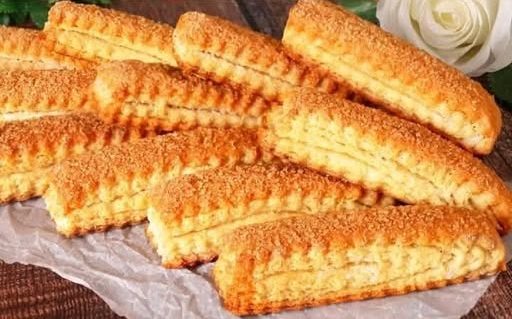
Sugar-Coated Yeast Dough Pastry
There is something deeply comforting about the smell of yeast dough rising and baking, especially when it is destined to be coated in sugar. Sugar-coated yeast dough pastries are found in many cultures around the world, from simple fried dough rolled in sugar to baked, fluffy pastries dusted generously once warm. They are humble, nostalgic, and endlessly satisfying, relying on basic pantry ingredients and time-honored techniques rather than complicated steps.
This pastry is soft and pillowy on the inside, lightly crisp on the outside, and finished with a sweet sugar coating that melts slightly into the warm surface. It can be served for breakfast, as an afternoon treat with coffee or tea, or as a simple dessert that feels both old-fashioned and timeless. The beauty of this recipe lies in its versatility. It can be shaped into rolls, twists, knots, or small rounds, baked or lightly fried, and flavored in subtle ways while still remaining true to its classic roots.
Sugar-coated yeast dough pastries were often made in home kitchens long before packaged sweets were common. They were affordable, filling, and celebratory in their own quiet way. Even today, they evoke memories of family gatherings, weekend baking, and hands dusted with flour and sugar.
Ingredients
For the yeast dough
3 1/2 cups all-purpose flour
1 packet active dry yeast (2 1/4 teaspoons)
3/4 cup warm milk (not hot)
1/4 cup granulated sugar
1/4 cup unsalted butter, melted and cooled
2 large eggs, room temperature
1/2 teaspoon salt
1 teaspoon vanilla extract (optional)
For the sugar coating
1 cup granulated sugar
1 teaspoon ground cinnamon (optional)
4 tablespoons unsalted butter, melted
Preparing the Dough
Begin by activating the yeast. In a small bowl, combine the warm milk with one tablespoon of the sugar. Sprinkle the yeast over the surface and let it sit for 5 to 10 minutes, until it becomes foamy. This step ensures that the yeast is alive and ready to work.
In a large mixing bowl, add the flour, remaining sugar, and salt. Make a well in the center and pour in the yeast mixture, melted butter, eggs, and vanilla extract if using. Mix until a soft dough forms. The dough should be slightly sticky but manageable.
Turn the dough out onto a lightly floured surface and knead for about 8 to 10 minutes, until smooth, elastic, and supple. If the dough sticks too much, add a small amount of flour, one tablespoon at a time, but avoid making it too dry.
Place the kneaded dough into a lightly greased bowl, turning it once to coat all sides. Cover with a clean kitchen towel or plastic wrap and let it rise in a warm place for 1 to 1 1/2 hours, or until doubled in size.
Shaping the Pastries
Once the dough has risen, gently punch it down to release excess air. Turn it out onto a lightly floured surface and divide it into equal portions, depending on the shape you prefer. For small pastries, divide the dough into 16 to 20 pieces.
Each piece can be rolled into a ball for classic rounds, twisted into ropes, shaped into knots, or flattened slightly for a more rustic look. Arrange the shaped dough pieces on a parchment-lined baking sheet, leaving space between them.
Cover loosely and allow the pastries to rise again for about 30 minutes. This second rise helps create a lighter, fluffier texture.
Baking the Pastries
Preheat the oven to 350°F (175°C). Once the pastries have puffed slightly, place the baking sheet in the oven and bake for 15 to 20 minutes, or until lightly golden on top. The exact time will depend on the size and shape of your pastries.
The pastries should be soft and tender, with just a hint of color. Avoid overbaking, as this can dry them out and prevent the sugar coating from adhering properly.
Sugar Coating Finish
While the pastries are baking, prepare the sugar coating. In a shallow bowl, mix the granulated sugar with cinnamon if using. Place the melted butter in a separate bowl.
As soon as the pastries come out of the oven, allow them to cool just slightly, about 2 to 3 minutes. While still warm, brush each pastry generously with melted butter, then roll or sprinkle with the sugar mixture until fully coated. The warmth helps the sugar cling and creates a slightly glossy, irresistible finish.
Serving Suggestions
Sugar-coated yeast dough pastries are best enjoyed warm, when the interior is soft and the sugar coating is fresh. They pair beautifully with coffee, tea, or a glass of milk. For a more indulgent treat, they can be served with fruit preserves, honey, or a simple vanilla glaze drizzled on top.
These pastries also make a wonderful base for variations. They can be filled with jam, pastry cream, or sweetened cream cheese before baking, or lightly dusted with powdered sugar instead of granulated sugar for a softer finish.
Storage and Make-Ahead Tips
If you have leftovers, store the pastries in an airtight container at room temperature for up to two days. To refresh them, warm briefly in the oven or microwave. The sugar coating may soften slightly over time, but the flavor will remain delicious.
The dough can also be prepared a day in advance and refrigerated after the first rise. Simply punch it down, cover tightly, and refrigerate overnight. Allow it to come to room temperature before shaping and baking.
Why This Recipe Works
The combination of yeast, milk, butter, and eggs creates a rich yet tender dough that stays soft even after baking. The double rise ensures a light texture, while the sugar coating adds sweetness without overpowering the pastry itself. It is a simple formula that has stood the test of time, proving that the most satisfying treats often come from the most basic ingredients.
Sugar-coated yeast dough pastries are a reminder that baking does not need to be complicated to be special. With patience, warmth, and a little sugar, you can create something comforting, nostalgic, and deeply rewarding in your own kitchen.