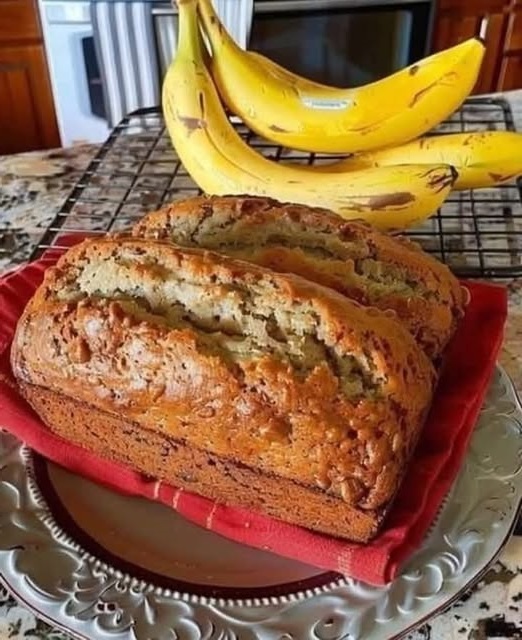
Soft and Moist Banana Bread Recipe Without a Mixer
Banana bread is one of those timeless comfort bakes that feels familiar the moment it comes out of the oven. The warm aroma of ripe bananas, butter, and vanilla fills the kitchen, instantly creating a sense of home. This soft and moist banana bread recipe is designed for simplicity, flavor, and reliability. No mixer is required, no complicated steps, and no fancy equipment. Just a bowl, a spoon, and a few pantry staples come together to create a loaf that stays tender for days.
This recipe is perfect for beginner bakers, busy mornings, or anyone who wants a dependable banana bread that never turns dry or dense. It relies on simple techniques that preserve moisture and enhance the natural sweetness of ripe bananas.
Why Banana Bread Works Without a Mixer
Banana bread is a quick bread, meaning it does not rely on yeast for structure. Instead, baking soda provides lift, while eggs and mashed bananas bind everything together. Overmixing is actually one of the most common reasons banana bread becomes tough. Using a mixer can easily overwork the batter, developing too much gluten.
Mixing by hand gives you better control and results in a softer crumb. Gentle folding keeps the loaf tender while still holding its shape beautifully.
Choosing the Right Bananas
The best bananas for banana bread are very ripe. The peels should be heavily speckled or nearly black. As bananas ripen, their starches convert into sugars, making them sweeter and softer. This not only improves flavor but also adds moisture to the bread.
If your bananas are not ripe enough, you can speed up the process by placing them in a paper bag overnight or baking them in the oven at a low temperature until the skins darken.
Ingredients You Will Need
This recipe uses everyday ingredients you likely already have on hand.
Ripe bananas, mashed
Unsalted butter, melted and slightly cooled
Granulated sugar or a mix of white and brown sugar
Eggs, at room temperature
Vanilla extract
All-purpose flour
Baking soda
Salt
Optional additions include chopped walnuts, chocolate chips, or a sprinkle of cinnamon for warmth.
The Importance of Melted Butter
Using melted butter instead of softened butter helps create a moist texture without requiring a mixer. Melted butter blends easily with sugar and bananas, creating a smooth base. It also adds richness without making the loaf greasy.
Allow the butter to cool slightly before mixing so it does not cook the eggs when combined.
Step-by-Step Preparation
Start by preheating your oven and preparing your loaf pan. Lining the pan with parchment paper or lightly greasing it ensures easy removal after baking.
In a large bowl, mash the ripe bananas until mostly smooth. Some small lumps are fine and add texture. Stir in the melted butter until well combined.
Add the sugar and mix gently until incorporated. Stir in the eggs one at a time, followed by the vanilla extract. The mixture should look glossy and cohesive.
In a separate bowl, whisk together the flour, baking soda, and salt. This ensures even distribution of the leavening agent.
Gradually add the dry ingredients to the wet ingredients, folding gently with a spatula or wooden spoon. Stop mixing as soon as no dry flour remains. Overmixing at this stage can lead to a dense loaf.
If using add-ins like nuts or chocolate chips, fold them in gently at the end.
Pour the batter into the prepared loaf pan and smooth the top. For an extra bakery-style touch, you can slice a banana lengthwise and place it on top of the batter before baking.
Baking and Doneness
Bake the banana bread until the top is golden brown and a toothpick inserted into the center comes out mostly clean with a few moist crumbs. Avoid overbaking, as this is the quickest way to dry out banana bread.
If the top begins to brown too quickly, loosely cover it with foil during the last part of baking.
Once baked, allow the bread to cool in the pan for a short time before transferring it to a wire rack. Letting it cool helps the structure set and makes slicing easier.
Texture and Flavor
This banana bread is soft, moist, and tender with a rich banana flavor. The crumb is fine and even, not crumbly or gummy. Each slice holds together beautifully while still feeling light.
The sweetness is balanced, allowing the banana flavor to shine without being overpowering. The butter adds depth, while the vanilla enhances the overall aroma.
Storage and Freshness
Banana bread keeps well at room temperature for several days when wrapped tightly or stored in an airtight container. It actually tastes better the next day as the flavors continue to develop.
For longer storage, banana bread can be refrigerated or frozen. Wrap individual slices or the whole loaf tightly before freezing. Thaw at room temperature or warm gently before serving.
Serving Suggestions
Banana bread is delicious on its own, but it can also be dressed up in simple ways.
Serve warm with a pat of butter
Spread with cream cheese or honey
Toast slices lightly for a crisp edge
Pair with coffee, tea, or a glass of milk
It also makes a wonderful breakfast, snack, or dessert.
Common Mistakes to Avoid
Using underripe bananas will result in bland flavor and less moisture.
Overmixing the batter can make the bread tough.
Overbaking dries out the loaf.
Skipping salt can make the bread taste flat.
Paying attention to these small details ensures consistent success every time.
Why This Recipe Is a Keeper
This soft and moist banana bread recipe stands out because it is simple, forgiving, and reliable. It does not require special tools or techniques, yet it delivers bakery-quality results. Whether you are baking for family, guests, or just yourself, this loaf is always welcomed.
It is the kind of recipe that becomes part of your regular rotation, scribbled on a recipe card or remembered by heart. Once you make it a few times, you will find yourself reaching for overripe bananas with excitement instead of hesitation.
Banana bread does not need to be complicated to be exceptional. Sometimes, the simplest methods create the most comforting results.