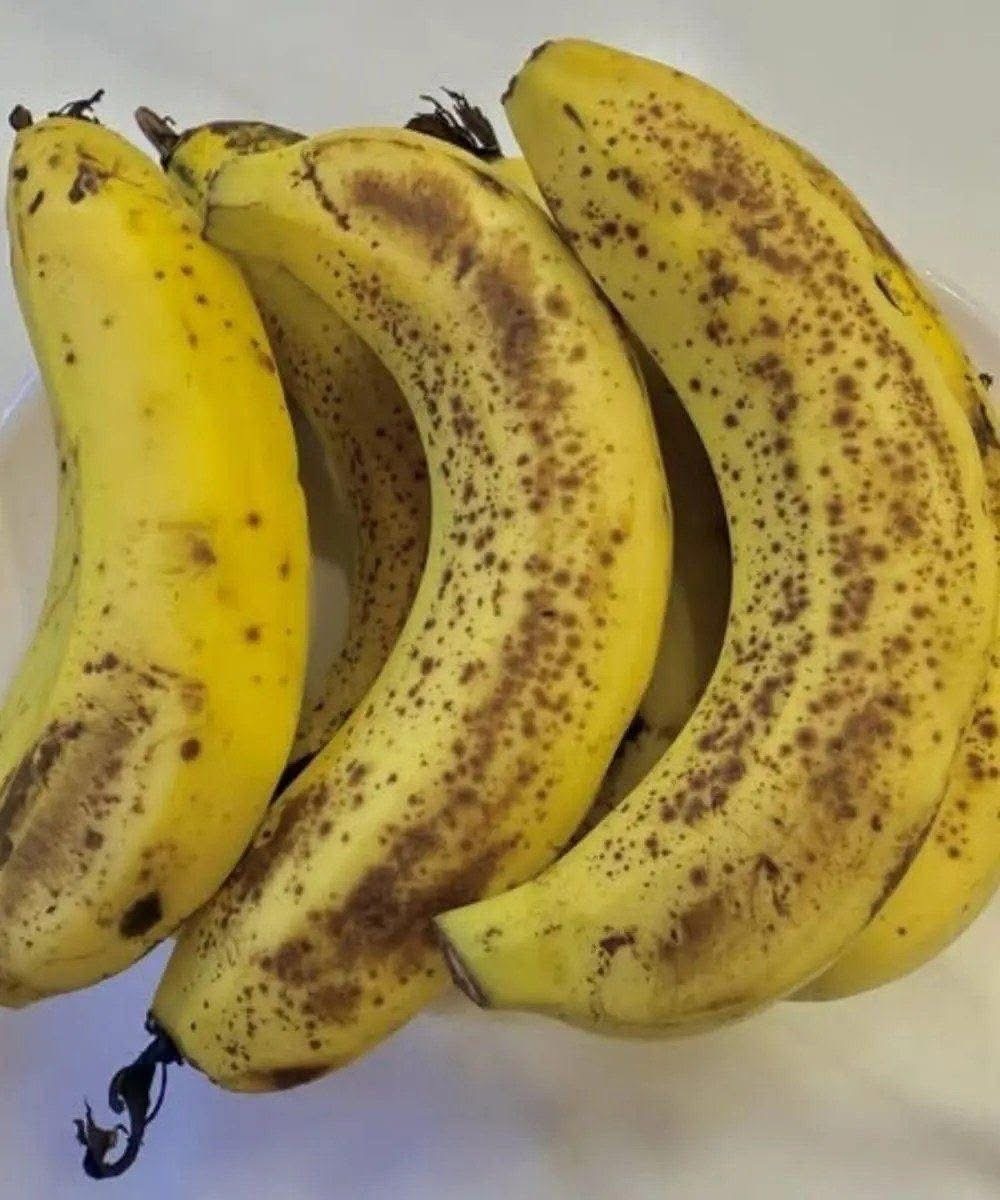
“Doctors reveal that eating bananas at night leads to…” is the kind of headline that makes people curious. Bananas are one of the most common fruits in the world, and many people snack on them in the evening because they’re sweet, filling, and easy. But does eating a banana before bed truly help sleep, or can it cause problems like weight gain, indigestion, or blood sugar spikes?
The real answer is more balanced than viral posts suggest. Eating bananas at night can be helpful for some people—especially if you want a light snack that supports relaxation. For others, it may cause discomfort depending on digestion, blood sugar sensitivity, or the size of the portion. Here’s what matters, what doesn’t, and how to eat bananas at night in a way that fits your body.
Why People Eat Bananas Before Bed
Bananas contain natural carbs (which can satisfy sweet cravings), fiber (which helps you feel full), and several nutrients that play a role in muscle function and the nervous system. Many people also find bananas soothing because they’re soft and not acidic compared to citrus or tomatoes. That makes them a common “safe snack” for the evening.
Another reason bananas are popular at night is that they pair easily with other foods that feel comforting—like peanut butter, yogurt, oats, or warm milk. This combination can create a satisfying snack that prevents late-night hunger.
Potential Benefits of Eating Bananas at Night
1) Bananas may support relaxation
Bananas contain nutrients involved in normal nerve and muscle function. When your body is tired or tense, an easy-to-digest snack can sometimes feel calming. Some people report that a banana helps them feel more settled before bed, especially if they tend to go to sleep hungry.
2) A banana can prevent “wake-up hungry” nights
If you eat dinner early or have an active day, going to bed too hungry can disrupt sleep. A small banana can be enough to take the edge off and help you fall asleep more comfortably. This is especially true if you tend to wake up in the middle of the night and struggle to get back to sleep.
3) It’s a better option than many late-night snacks
Compared with cookies, chips, or sugary cereal, a banana is generally a simpler, more nutrient-dense choice. It’s naturally sweet, portion-controlled, and doesn’t require preparation. For people trying to reduce ultra-processed snacks, bananas are an easy swap.
4) Helpful after evening workouts
If you train late, your body may benefit from a small snack to recover. Bananas provide quick carbs, and many athletes use them because they’re convenient. If you’re lifting weights, doing cardio, or playing sports at night, a banana can be part of a light recovery snack.
Possible Side Effects of Eating Bananas at Night
1) Digestive discomfort for sensitive stomachs
Some people get bloating or stomach heaviness from eating fruit late, especially if they eat a large banana or combine it with heavy foods. While bananas are often gentle, everyone’s digestion is different. If you notice discomfort, try eating it earlier in the evening or reducing the portion.
2) Blood sugar concerns
Bananas contain natural sugars and carbohydrates. For most healthy people, this isn’t a problem. But if you have insulin resistance, diabetes, or you’re tracking blood sugar closely, eating a banana right before bed may raise glucose more than you’d like. In that case, pairing it with protein or healthy fat (like Greek yogurt or nut butter) can slow digestion and reduce spikes.
3) Too many calories can add up
A banana at night doesn’t automatically cause weight gain. Weight gain comes from consistent calorie surplus over time. However, late-night snacking can become a habit that increases daily calories without you noticing. If you’re not truly hungry, you may be eating out of routine or craving rather than need.
4) It may not be ideal for reflux for some people
Bananas are not highly acidic, but reflux triggers vary. If you have GERD, any snack close to bedtime could increase symptoms simply because lying down soon after eating makes reflux more likely. If reflux is an issue, try finishing snacks at least 2–3 hours before sleep.
What Time Is Best to Eat a Banana at Night?
If you enjoy bananas in the evening, many people do best when they eat them 60–90 minutes before bed, not right as they lie down. This gives your body time to digest and reduces the chance of discomfort.
Portion also matters. If you’re sensitive to late-night eating, try:
- Half a banana instead of a full one
- A small banana rather than a large one
- Bananas paired with protein (more satisfying, less sugar spike)
Best Ways to Eat Bananas at Night
If your goal is a calm, sleep-friendly snack, these combinations tend to work well:
- Banana + Greek yogurt
- Banana + peanut butter (thin layer)
- Banana + handful of nuts
- Banana slices in oatmeal
- Banana + cottage cheese
These pairings help balance the banana’s carbs with protein or healthy fat, which can keep you full longer and support steadier blood sugar.
Who Should Avoid Bananas at Night?
You may want to limit or adjust bananas at night if:
- You have diabetes or blood sugar spikes overnight
- You experience bloating from fruit late in the day
- You have acid reflux that worsens when eating before bed
- You’re trying to stop habitual late-night snacking and don’t feel true hunger
In these cases, you don’t necessarily need to avoid bananas forever—just change timing, portion size, or what you pair them with.
The Bottom Line
Eating bananas at night doesn’t cause one dramatic effect like viral headlines suggest. For many people, a banana is a convenient evening snack that can help with cravings and comfort. For others, it may cause digestive discomfort or unwanted blood sugar changes, especially if eaten right before bed or in large portions.
If you want the best results, keep it simple: choose a small banana, eat it earlier in the evening, and pair it with a little protein. That’s the most practical “doctor-style” advice—no scare tactics needed.