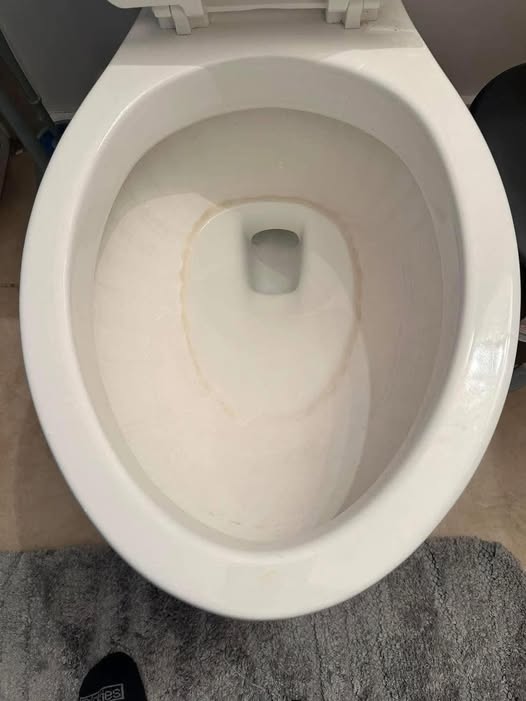
Hard water stains in the toilet bowl are a common problem in many households. These stubborn mineral deposits form when water with high levels of calcium, magnesium, and other minerals evaporates and leaves behind a chalky, rusty, or cloudy residue. Over time, these stains can build up and become hard to remove with regular flushing and brushing alone. Fortunately, there is a simple way to tackle them using just one effective product.
This method works particularly well for light to moderate deposits, is safe for most toilet systems when used as directed, and avoids harsh scrubbing or multiple cleaning products. The key lies in choosing a cleaner that is strong enough to break down mineral buildup, yet gentle enough to use regularly without damaging porcelain or plumbing fixtures.
The one product that consistently removes hard water stains from toilet bowls is undiluted white vinegar. White vinegar is a natural acid (acetic acid) that helps dissolve mineral buildup slowly and safely. It is non-toxic, inexpensive, and safe for regular maintenance. When used properly, vinegar can make an old, stained toilet bowl look noticeably cleaner with minimal effort.
Before beginning, gather the following essentials: a bottle of plain white vinegar, a toilet brush, a pair of rubber gloves, and (optional) a pumice stone specifically designed for porcelain cleaning if spots remain after the initial treatment.
Start by flushing the toilet to wet the bowl and remove any loose debris. Put on rubber gloves to protect your hands from direct contact with cleaning agents and bacteria.
Next, pour about two cups of undiluted white vinegar directly into the toilet bowl, aiming to coat the stained areas as thoroughly as possible. White vinegar is safe and gentle, but because it is acidic, it’s still best to avoid prolonged contact with your skin.
After pouring, let the vinegar sit in the bowl for at least one hour. If the stains are severe, you can let it soak for several hours or overnight. The acetic acid in the vinegar works slowly to break down the mineral deposits that cause hard water stains.
If the water level in the bowl prevents the vinegar from touching the stained ring or buildup, add a bit more vinegar or use a small container to splash vinegar directly where it is needed. The goal is to ensure the vinegar comes into contact with as much of the stained surface as possible.
Once the vinegar has had time to work, use your toilet brush to scrub the stained areas. You will likely see the stains lifting as the vinegar has softened the mineral buildup. Focus on the ring and any spots that seem discolored or rough. Brush gently but thoroughly until the residue lifts.
In many cases, this vinegar method will remove most or all of the stains on its own. However, if stubborn marks remain after scrubbing, you can use a pumice stone made for porcelain toilets as a follow-up. Wet the pumice stone and gently rub it against the stain. The key is to keep both the stone and the porcelain surface wet to prevent scratching. Pumice stones designed for bathroom use are softer than porcelain and can help loosen tough mineral buildup that a brush can’t remove.
After scrubbing and removing the stains, flush the toilet to rinse away the loosened material and remaining vinegar.
It is worth noting that using vinegar regularly can help prevent hard water stains from forming in the first place. A simple monthly routine of pouring a cup or two of white vinegar into the toilet bowl and letting it sit for an hour before scrubbing can keep mineral buildup at bay.
There are a few variations you can use if you want extra cleaning power. One option is to pour a combination of vinegar and baking soda into the bowl. Start with a cup of vinegar, then sprinkle a half cup of baking soda around the toilet bowl. The mixture will fizz briefly, which can help lift stubborn deposits. Let the mixture sit for an hour before scrubbing and flushing. While this adds a second product, the base ingredient is still simple and safe.
Another optional step for heavy stains is to heat the vinegar slightly before pouring it into the bowl. Warm vinegar works more quickly to break down mineral buildup. Do not boil the vinegar, but warming it in a microwave or on the stove until it is comfortably warm can enhance its effectiveness.
A few tips make this cleaning approach even easier. First, address stains when they are still fairly new. Fresh mineral rings come out more easily than those that have sat for months. Second, regular light cleaning prevents heavy buildup from forming in the first place. Third, avoid cleaners with harsh chemicals or abrasives that can damage porcelain over time.
Hard water stains can be unsightly, but they do not have to be permanent. With a single, safe product like undiluted white vinegar and a bit of patience, you can restore the appearance of your toilet bowl and keep it looking fresh.
This simple method reflects a shift toward mindful cleaning practices that avoid harsh industrial chemicals while still achieving powerful results. It is practical for everyday home maintenance and accessible to anyone with basic household supplies.
In the end, the combination of vinegar’s natural acidity and thoughtful scrubbing makes it easy to tackle hard water stains without complicated steps or multiple products. Whether you are dealing with a new mineral ring or a stubborn age-old mark, this approach offers a reliable way to keep your toilet bowl clean and clear with minimal fuss.